
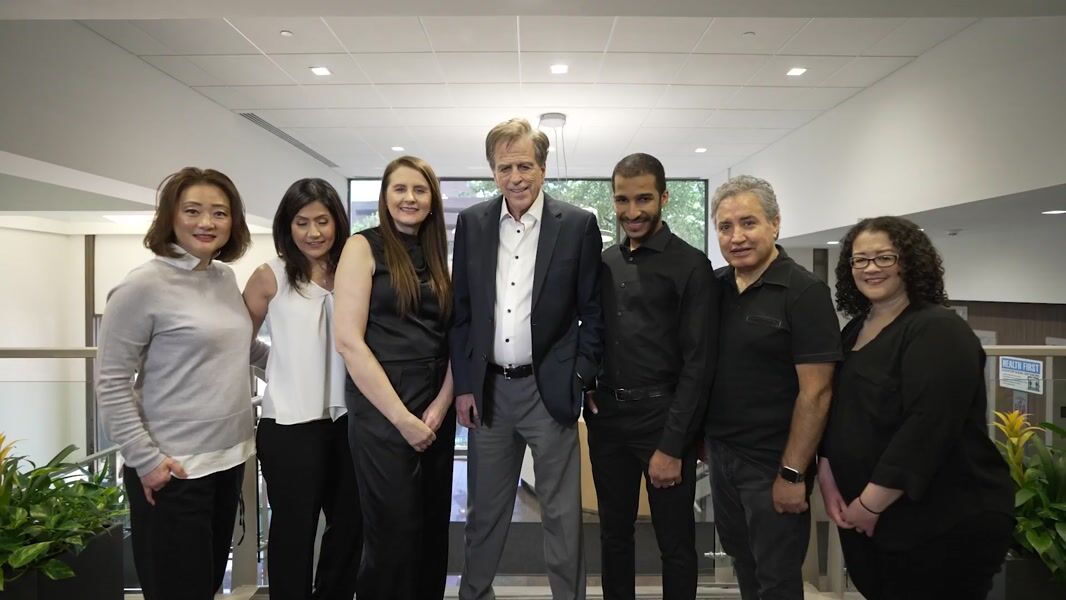
Dental Implants for Arlington, VA Patients
Dental implant care for Arlington patients at our Friendship Heights, Washington, DC office. Dr. Gerald Marlin plans, surgically places and restores implants, from one missing tooth to a full arch.
Comparing Dental Implant Options From Arlington? Review Who Plans, Places and Restores the Teeth
When comparing implant providers from Arlington, the useful questions are who plans the case, who performs the surgery, who designs and makes the final teeth, and how provisional teeth and follow-up are handled. At Elite Prosthetic Dentistry those steps are planned together and performed in the practice, with the restoration made in the on-site laboratory. Our office is in Friendship Heights, Washington, DC, at 4400 Jenifer Street NW, one block from the Friendship Heights Metro, with parking in the building. From Arlington the usual routes are Key Bridge or Chain Bridge; allow for traffic at your appointment time.
What Happens During Your Implant Journey: The Complete Appointment Sequence
When you decide to restore missing teeth with implants, the process unfolds in distinct clinical phases. Understanding what happens at each appointment removes uncertainty and helps you plan accordingly. Your implant restoration at Elite Prosthetic Dentistry follows a carefully sequenced protocol designed to deliver optimal results while maintaining your comfort throughout treatment.
Your first appointment is the comprehensive implant evaluation. During this visit, Dr. Marlin examines your remaining teeth and gums, reviews your overall health history, and assesses your jawbone using advanced cone beam computed tomography imaging. This three-dimensional scan reveals bone dimensions, density, and quality in the areas where implants would be placed. Dr. Marlin discusses your goals for appearance and function, explains whether you’re an ideal candidate for implants, and presents realistic timelines and costs. This appointment typically requires 60-90 minutes and establishes your personalized treatment plan.
Preparing Your Jaw: The Bone Assessment Phase
Before implants can be placed, adequate bone must be present. If you’ve been without teeth for several years, or if significant bone loss occurred following dental disease or trauma, bone grafting may be recommended. During this preparation phase, Dr. Marlin evaluates whether grafting is needed using your imaging and clinical examination. If grafting is recommended, he performs the surgical bone reconstruction, allowing 4-6 months for the grafted bone to integrate and strengthen before implant placement can proceed.
This staged approach adds time to your overall treatment but ensures implants are positioned on a foundation strong enough to support decades of function. Arlington residents often appreciate this methodical approach, recognizing that rushing to implant placement on inadequate bone creates long-term problems.
The Implant Placement Appointment
Your implant placement is an outpatient surgical procedure performed at Elite Prosthetic Dentistry with local anesthesia and optional sedation dentistry. The appointment typically takes 30-90 minutes depending on how many implants you’re receiving and bone complexity. Dr. Marlin creates a small incision in your gum tissue, positions the titanium implant fixture into your jaw at precisely calculated depth and angulation, and sutures the tissue closed. You’re numb throughout, experiencing only pressure sensations and vibration from the specialized surgical instruments.
Most Arlington patients report surprise at how smoothly the procedure progresses. The area around the implant is swollen and tender immediately after surgery, but this resolves within 7-10 days. You’ll receive prescribed pain medication and detailed post-operative instructions. Many patients return to desk work within three days and resume normal exercise within two weeks.
The Integration Phase: Osseointegration Explained
Following implant placement, your body undergoes a remarkable biological process called osseointegration. Over the next 3-6 months, bone cells migrate directly onto the titanium implant surface and fuse with the metal, creating an exceptionally strong, permanent bond. This isn’t something you feel happening, but it’s the critical foundation that makes implants so durable.
During this healing period, you’ll wear a temporary restoration if desired, maintaining normal appearance while your implant integrates beneath the gums. You’ll follow post-operative instructions carefully, avoiding hard foods near the implant site and maintaining meticulous oral hygiene. Dr. Marlin schedules follow-up appointments to monitor your healing, and imaging confirms when osseointegration is complete and your implant is ready for restoration.
The Restoration Phase: Abutment and Crown Placement
Once osseointegration is confirmed through imaging, you’re ready for your crown. During this appointment, Dr. Marlin exposes the integrated implant and places an abutment (a small connector) on top. An impression is taken, capturing the precise dimensions for your custom crown.
Your crown is fabricated in Elite Prosthetic Dentistry’s on-site laboratory using premium materials chosen for esthetics and durability. Dr. Marlin personally oversees fabrication, reviewing shade matches, contours, and fit to ensure your restoration meets his exacting standards. This in-house approach means your crown reflects your specifications precisely rather than being manufactured by an external lab following written specifications.
Delivery Day: Your Permanent Restoration
When your custom crown is ready, typically within 2-3 weeks, you return for the delivery appointment. Dr. Marlin verifies that your crown fits perfectly, looks natural, and functions correctly. He checks your bite carefully, ensuring your implant crown contacts your opposing teeth at the correct force and angle. Adjustments are made if needed, and once you and Dr. Marlin are satisfied, the crown is permanently cemented to your abutment.
Your restoration is complete. You now have a tooth that functions and feels like a natural tooth, replacing your missing tooth permanently.
Long-Term Maintenance: Your Five-Year Check
Following implant placement and crown delivery, regular maintenance appointments ensure your restoration continues functioning optimally. You’ll visit Elite Prosthetic Dentistry at recommended intervals for professional cleanings, bone assessments, and crown inspections. These appointments allow Dr. Marlin to identify any subtle changes requiring attention before they become problems.
Many implants function successfully for 20 years or more with this level of care. Your crown may eventually require replacement due to normal wear, and the implant beneath can remain stable for decades with good care and regular maintenance.
Coordinating a Complex Case From Arlington
For an Arlington patient whose case goes beyond a single implant, the sequence is set at the planning visit so that each trip across the river accomplishes a defined step: records and CBCT imaging first, then the design review, then treatment phases separated by healing intervals that biology sets, with provisional restorations maintaining appearance and function in between. Where the clinical plan permits, surgical steps are consolidated into fewer visits. Gerald M. Marlin, DMD, MSD, plans, surgically places and restores the implants at Elite Prosthetic Dentistry in Friendship Heights, Washington DC, and the practice’s on-site laboratory fabricates the restorations, so adjustments happen with the patient present rather than by mail. Routine hygiene can stay with your dentist in Arlington; we send the records and the maintenance schedule. For a front tooth, see replacing a missing front tooth; for a mixed case of implants with existing crowns and bridges, see keep your teeth or replace them. The Arlington community guide covers the three situations that most often bring Arlington patients to the practice.
Planning Implant Care Around Work, Travel and Relocation
Implant treatment is a series of visits separated by healing intervals, so the sequence is set at the planning visit around your schedule. Patients who travel for work or expect to relocate receive documentation of their implant care that can be shared with a future dentist.
Elite Prosthetic Dentistry is a fee-for-service practice and is not in-network with any insurance plan, including federal and military dental plans. If your plan includes out-of-network benefits, the team can submit the claim for you at no cost, and financing is available. See insurance and financing.
Scheduling Your Arlington Implant Consultation
Your journey to permanent tooth restoration begins with a single consultation. Call (202) 244-2101 or request an appointment online to meet with Dr. Marlin at Elite Prosthetic Dentistry. The office is reached by Key Bridge or Chain Bridge, and parking is available in our building; allow for traffic at your appointment time. Discuss your specific situation, learn whether implants are right for you, and discover how our specialty-trained team can restore your complete function and confidence with permanent dental implants designed for your unique needs.
Frequently Asked Questions
Do military dental insurance plans cover implants?
Military and federal dental benefits vary by plan, service status and the reason for tooth loss, so verify your coverage with your benefits administrator. Elite Prosthetic Dentistry is a fee-for-service practice and is not in-network with any insurance plan, including Medicaid and Medicare dental plans. If your plan includes out-of-network PPO benefits, the team can submit the claim for you at no cost, and financing is available. Every patient receives a written treatment plan with fees before treatment begins.
Can I use my federal employee dental insurance for implants?
Some federal employee dental plans include benefits for implant-supported restorations, and the extent varies by plan. Elite Prosthetic Dentistry is a fee-for-service practice and is not in-network with any insurance plan. If your plan includes out-of-network PPO benefits, the team can submit the claim for you at no cost, and financing is available.
How quickly can Arlington residents get implants?
The timeline depends on whether bone grafting is necessary. If you have adequate bone, Dr. Marlin can place your implant quickly, with your crown completed within 3-6 months. If bone grafting is required, the timeline extends to 6-9 months total. We schedule surgical appointments promptly and keep waiting times minimal, allowing you to proceed with your restoration timeline.
Are there any special considerations for Arlington military families?
Military families face unique scheduling challenges with potential relocations. Dr. Marlin designs treatment plans accounting for military timelines when necessary. He also provides comprehensive documentation of your implant care that travels with you if you relocate. Your implants are permanent-wherever you're stationed, any dentist can maintain and monitor your restorations. This portability of implant-supported dentistry appeals to military patients.
What makes dental implants ideal for active professionals?
Dental implants appeal to Arlington's busy professionals because they require minimal maintenance and no ongoing adjustments. Unlike dentures requiring daily insertion, removal, and adhesive, implants are permanently fixed. You brush and floss like natural teeth. There's no inconvenience during business meetings, meals with clients, or public speaking. For government and military professionals maintaining professional appearance and reliable function, implants represent the ideal tooth replacement option.
Related Patient Success Stories
Explore similar patient success stories demonstrating our expertise in advanced prosthetic dentistry.
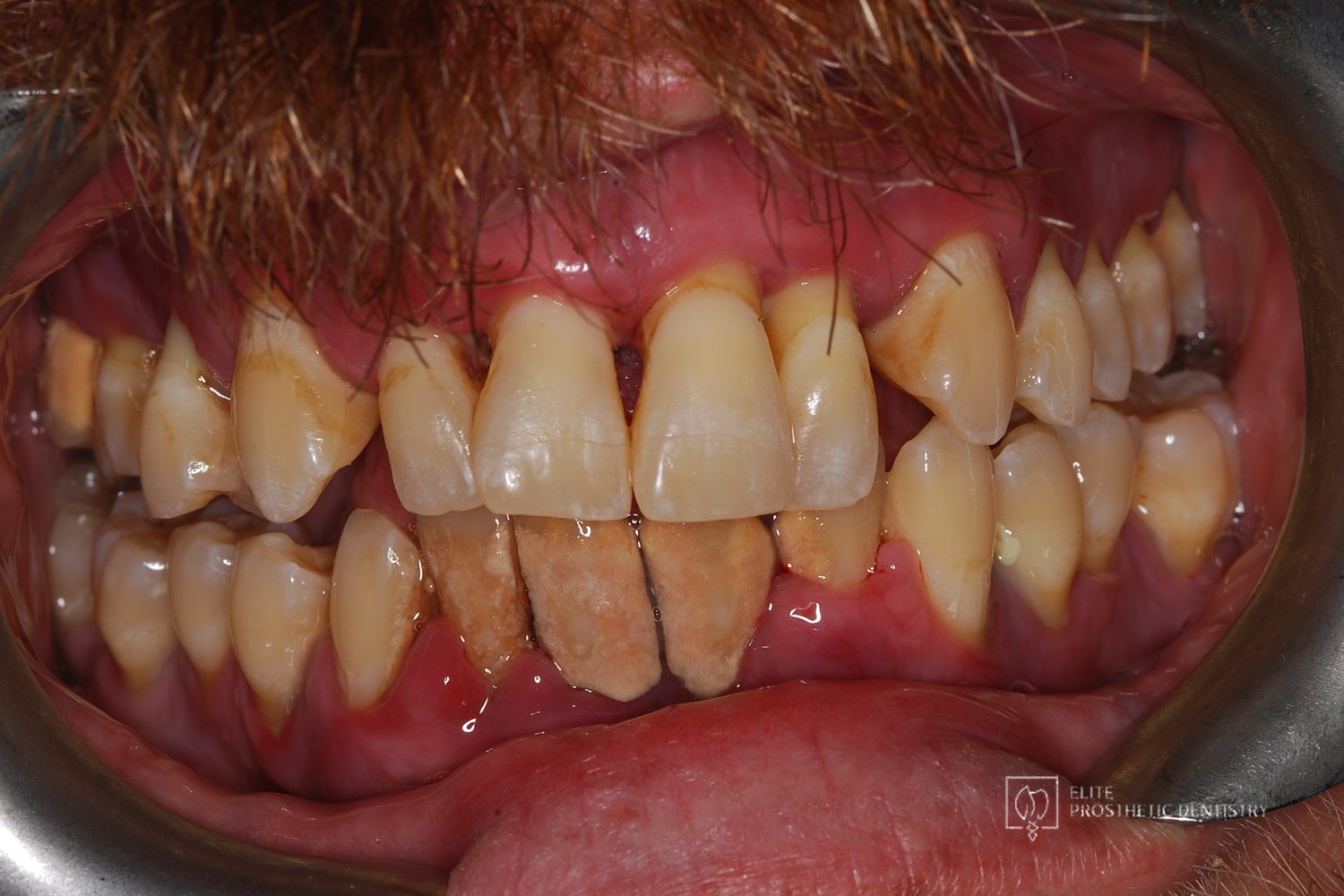 Before
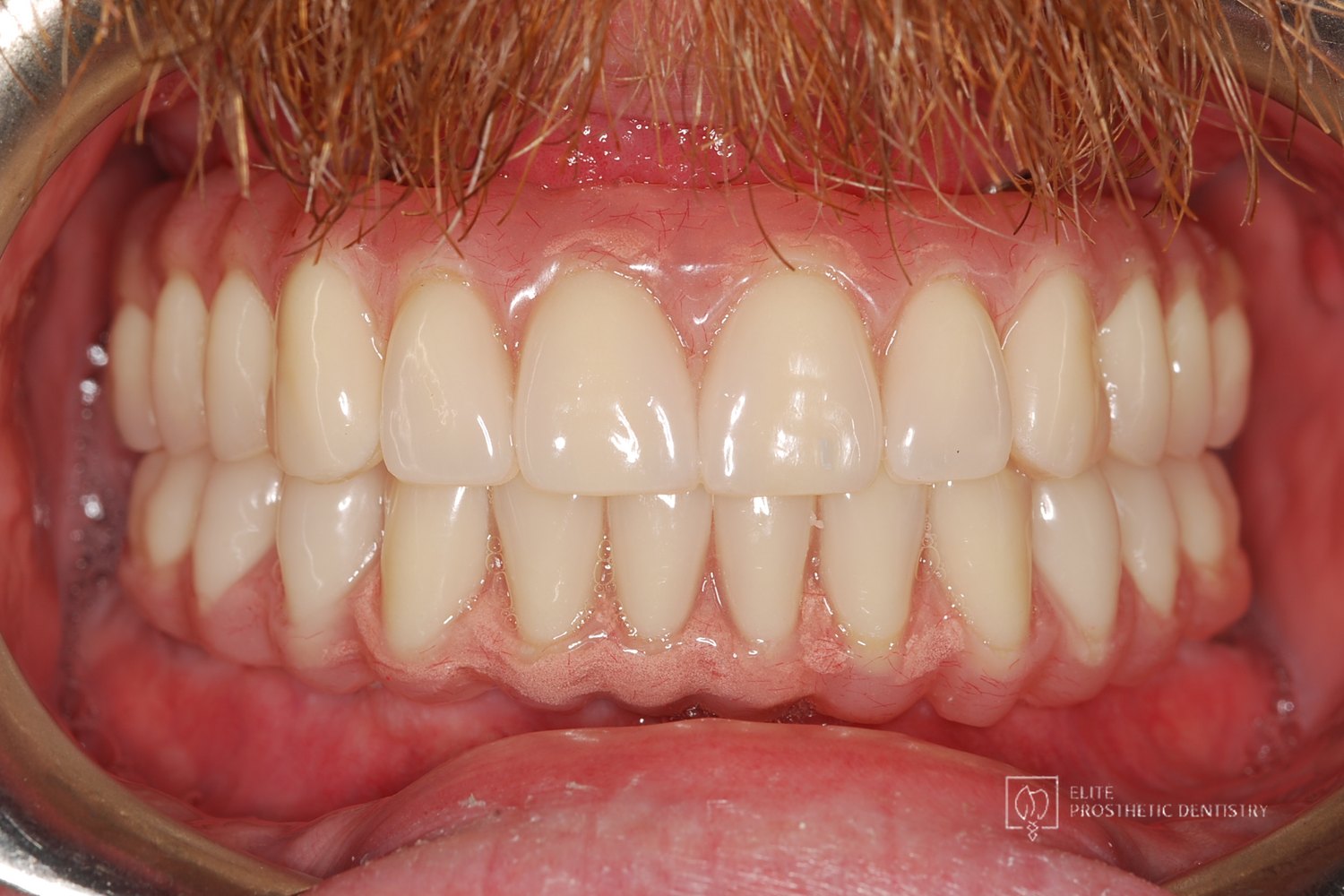 After
Both Arches Rebuilt After Advanced Periodontal Disease: Twelve Guided Implants and a Signature Hybrid Prosthesis
Advanced periodontal disease had destroyed the support around the remaining teeth in both arches. None could be kept, and the bone that would carry implants had been lost along with them.
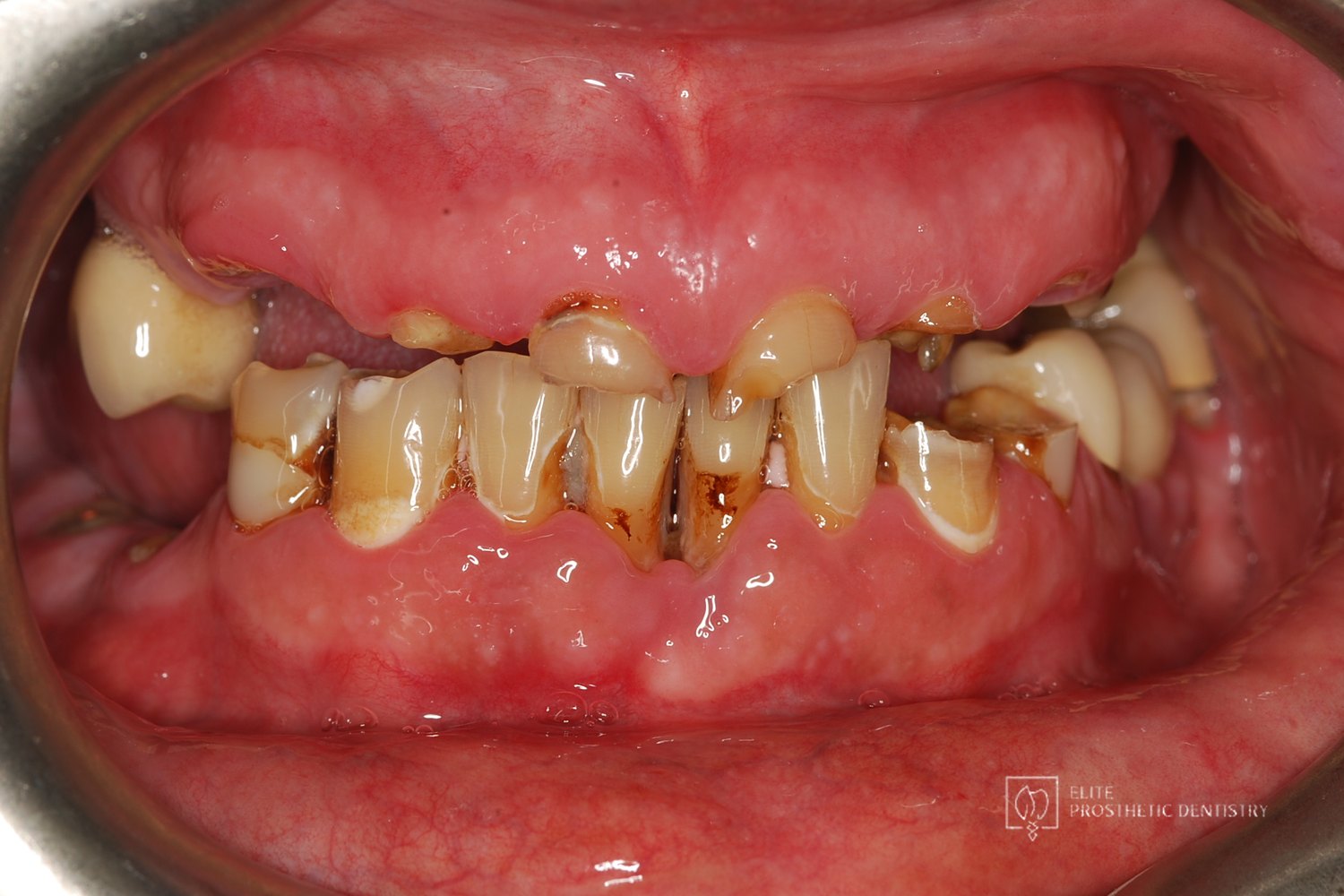 Before
 After
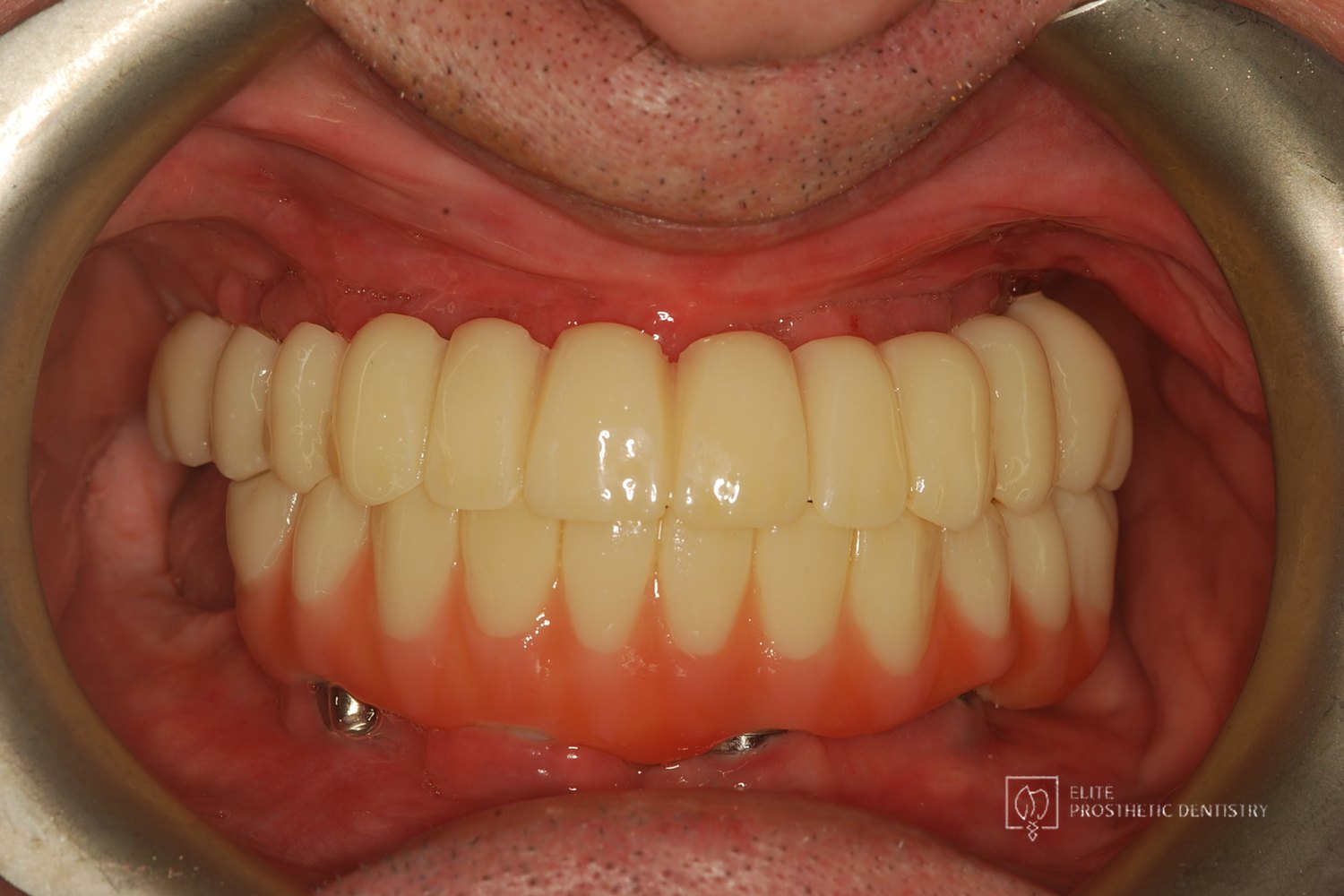
Both Arches Rebuilt After Years Without Dental Care and Heavy Grinding: Eight Guided Implants and an Elite Hybrid Prosthesis
Years without dental care combined with heavy grinding had destroyed the teeth in both arches. None were salvageable, and the bone needed rebuilding before implants could carry a new bite.
 Before
 After
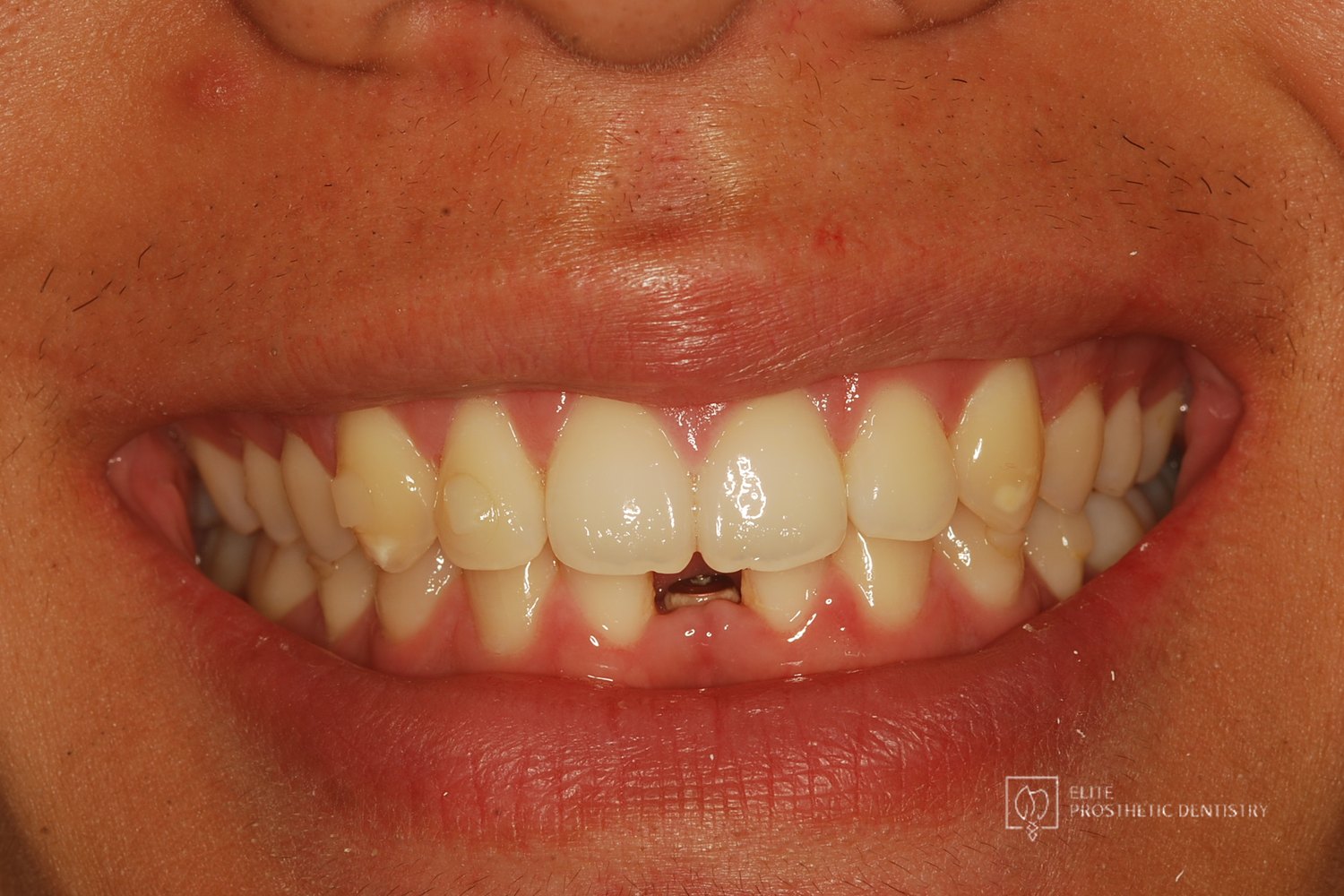
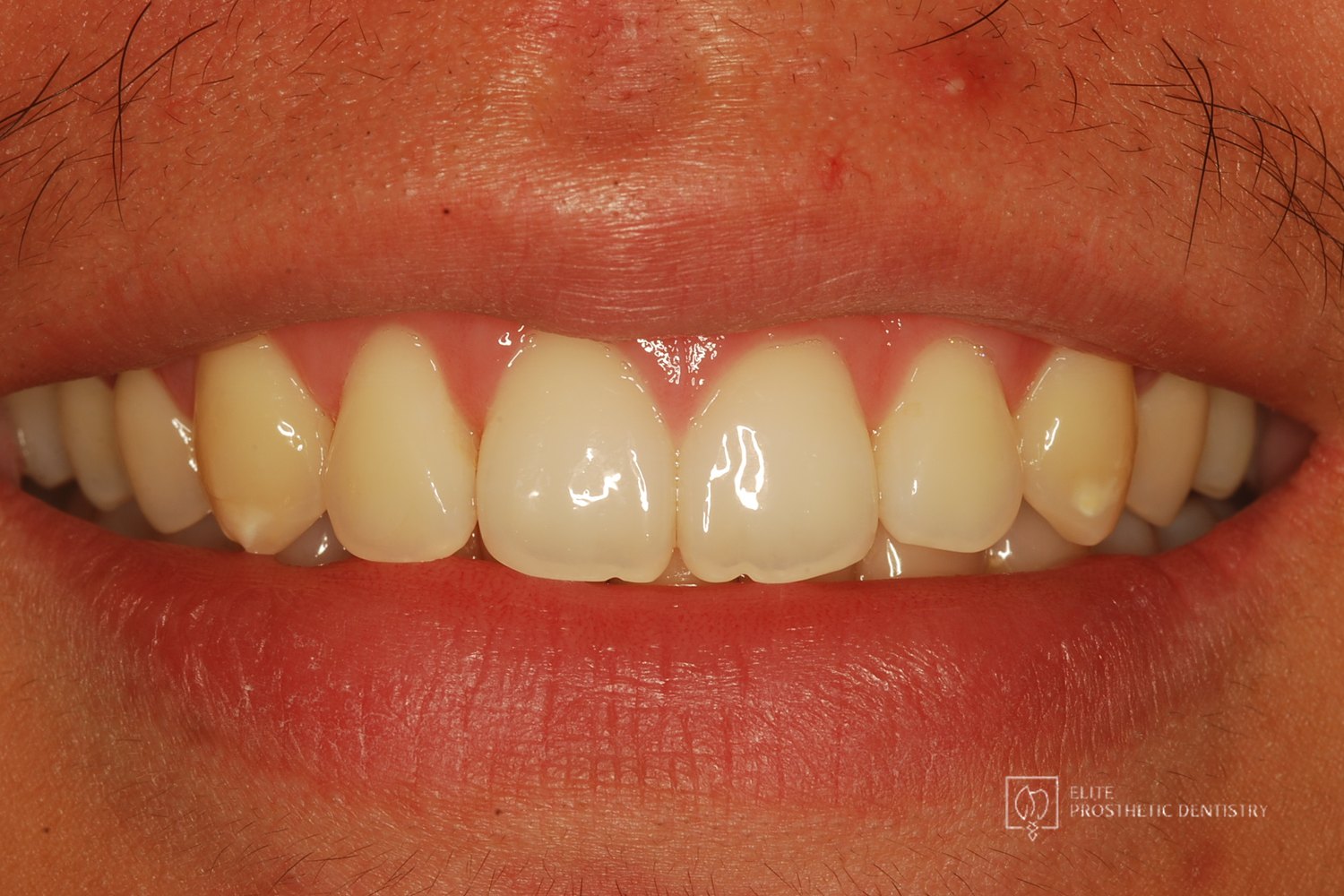
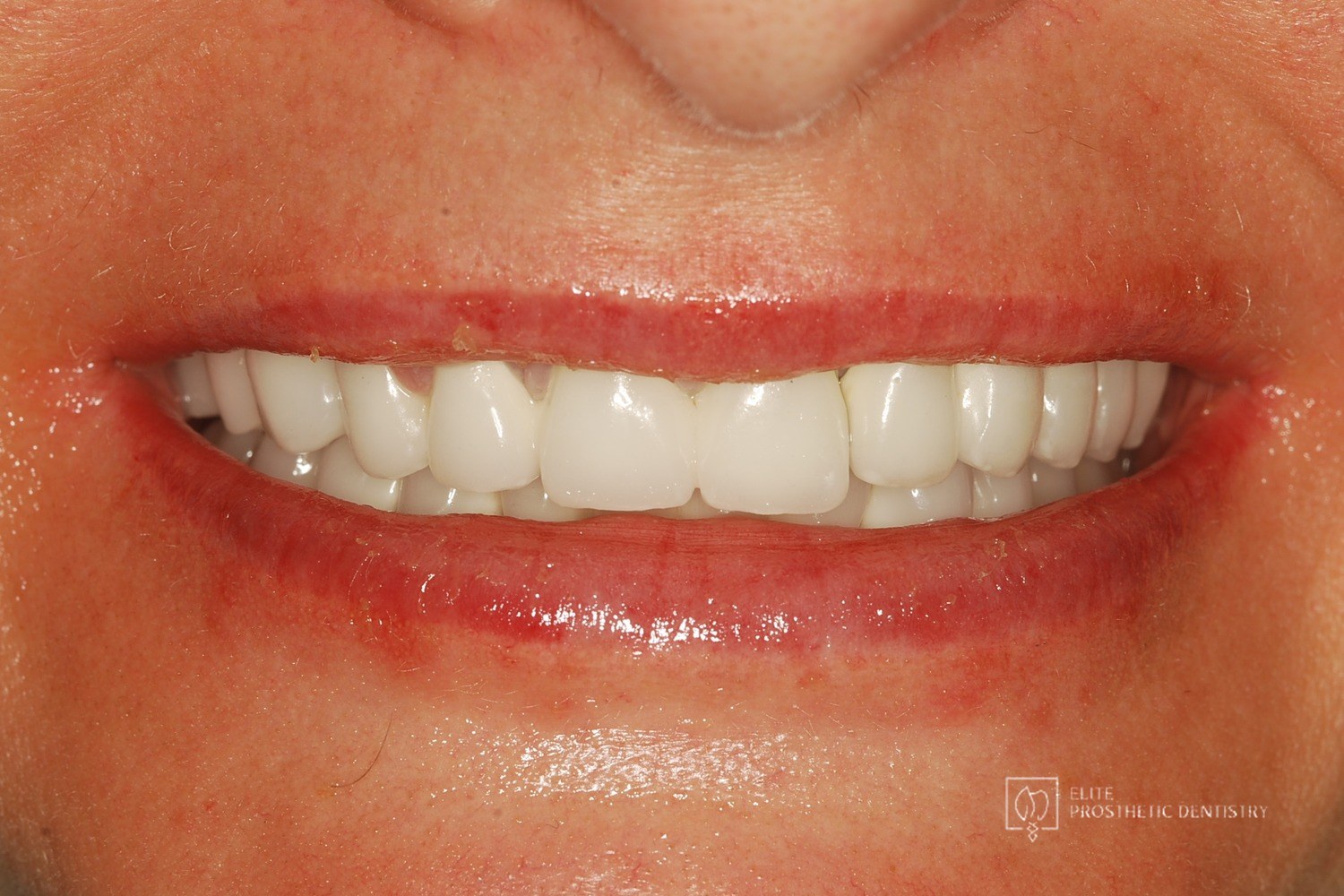
Bone Loss Around a New Dental Implant: Removed Early, the Ridge Rebuilt, and a Guided Replacement Implant Restored
A 26-year-old patient referred for a crown on a recently placed lower front implant arrived with 5 mm pocketing, bone loss, and exposed implant threads around it; a CBCT scan showed a ridge too narrow to hold the implant fully in bone. A crown could have been made, but the foundation would not have lasted.
 Before
 After
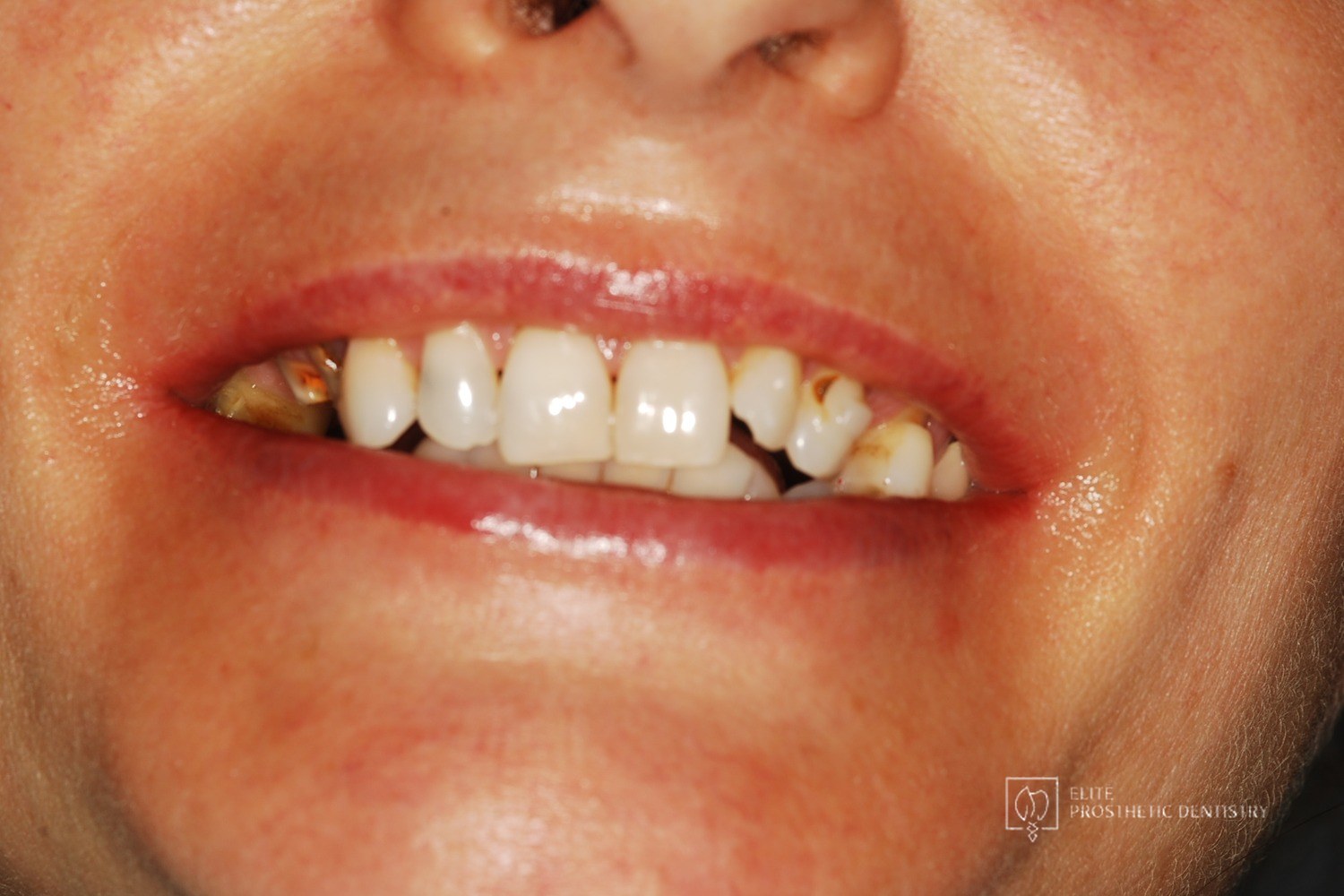
How Aging, Failing Dentistry Was Replaced with a Coordinated Full-Mouth Implant and Crown Reconstruction
The patient presented with throbbing upper-molar pain, long-standing infections, multiple root canals and unfinished prior treatment, generalized sensitivity, and several hopeless teeth.
 Before
 After
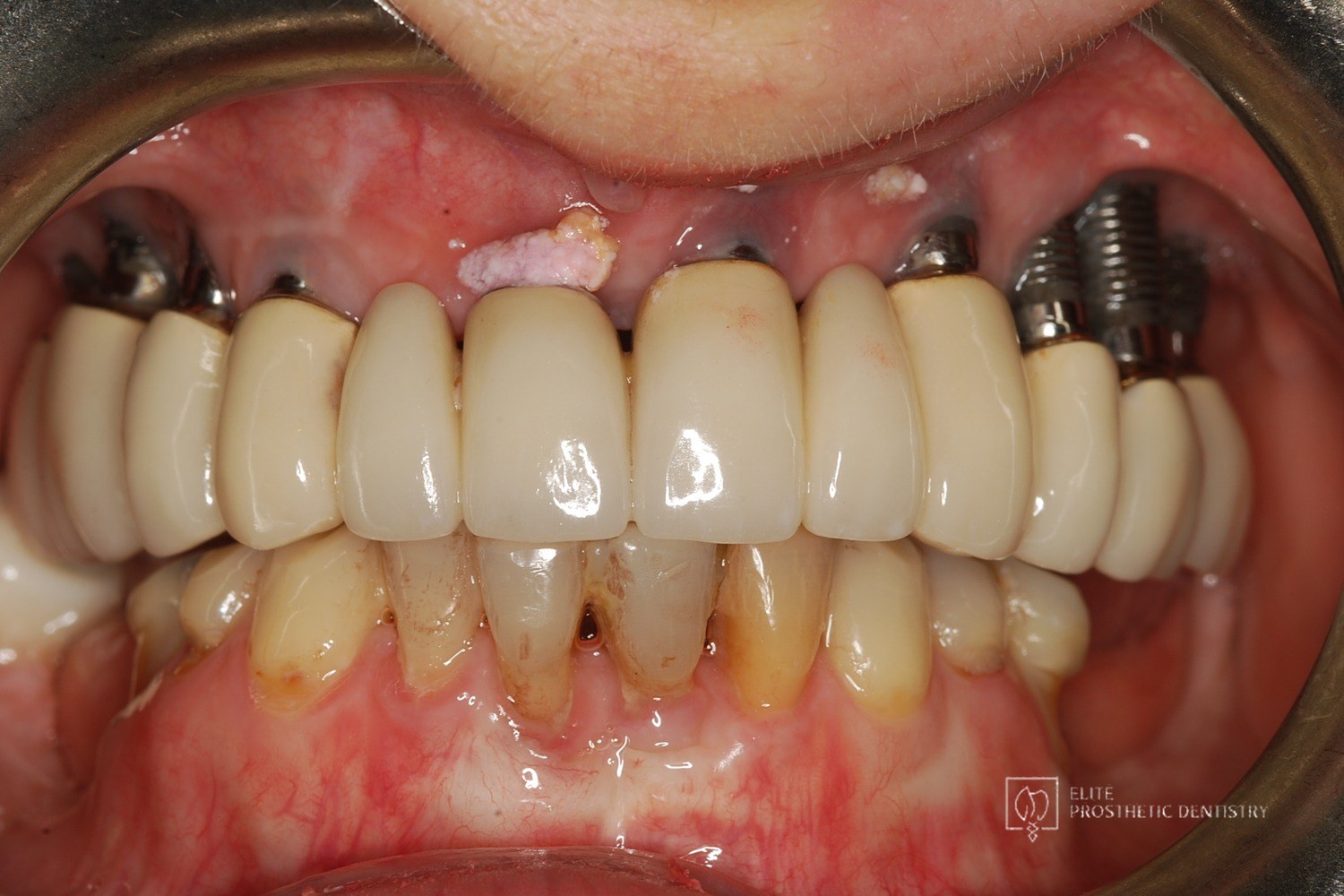
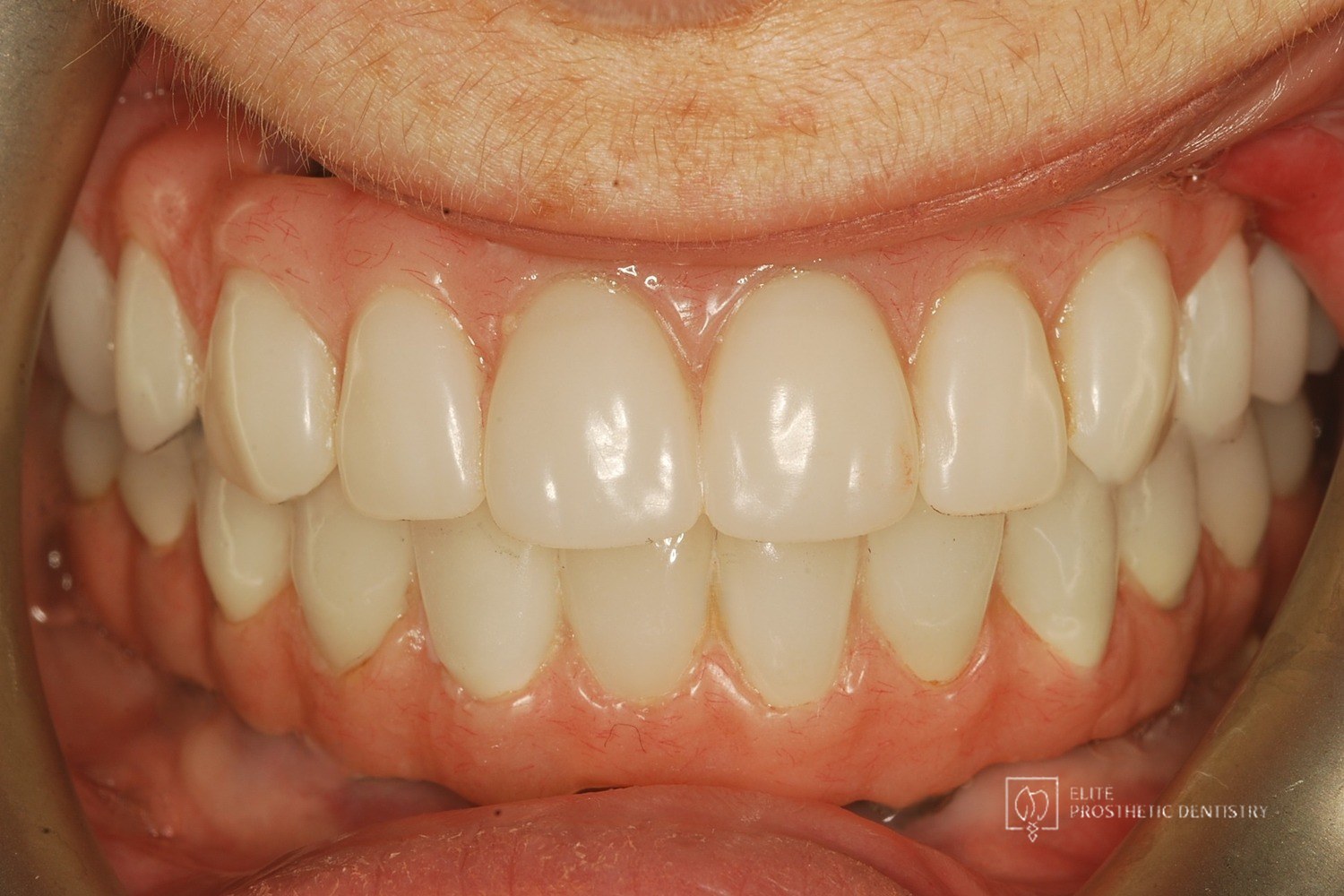
How Failing Implants and Severe Bone Loss Were Rebuilt Into a Stable Full-Arch Implant Reconstruction
The patient presented with significant complications from previously placed implants, severe bone loss, failing posterior implants, and an unesthetic full-arch bridge. Both arches required full reconstruction, with the upper arch showing the most advanced bone loss and instability.
 Before
 After
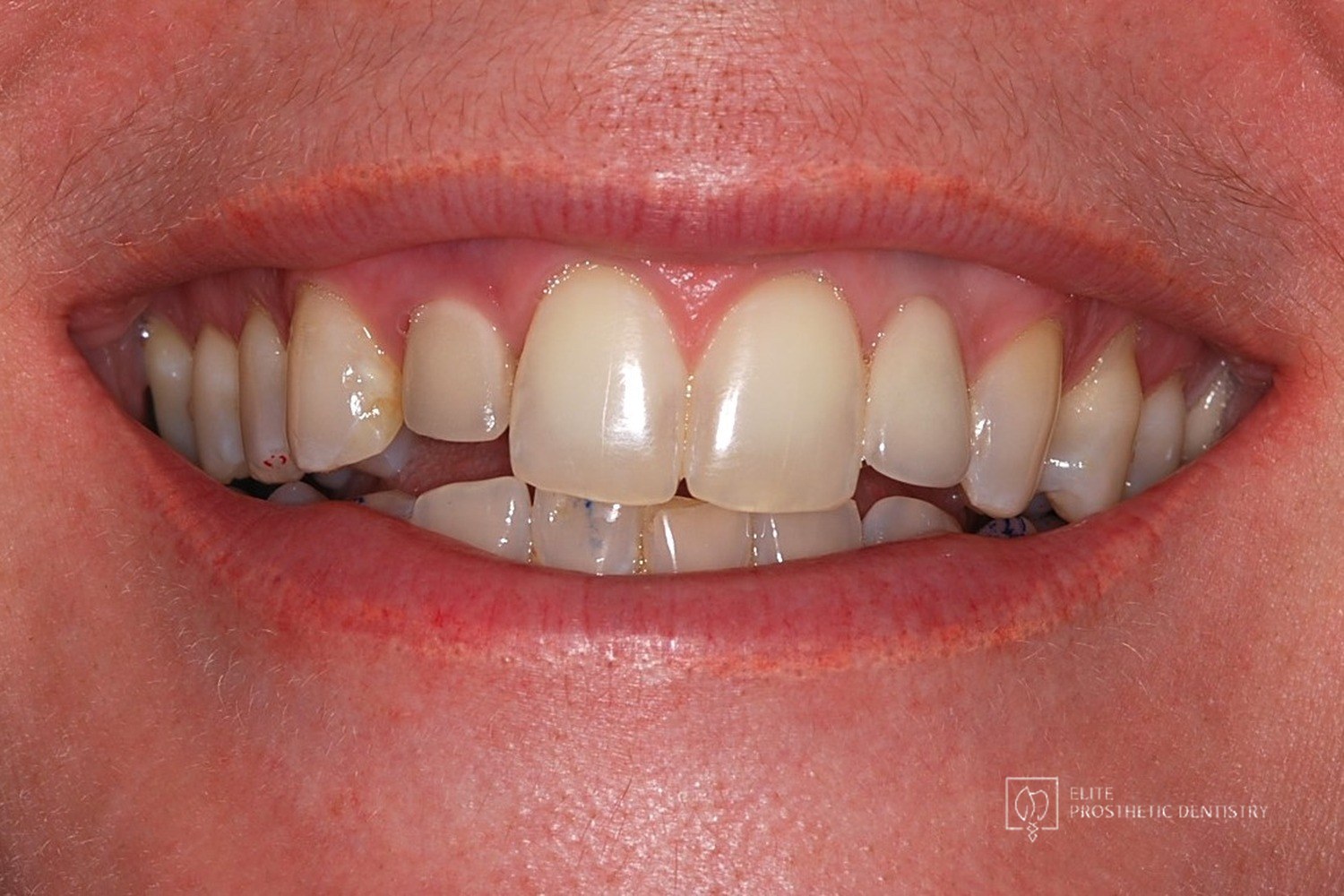
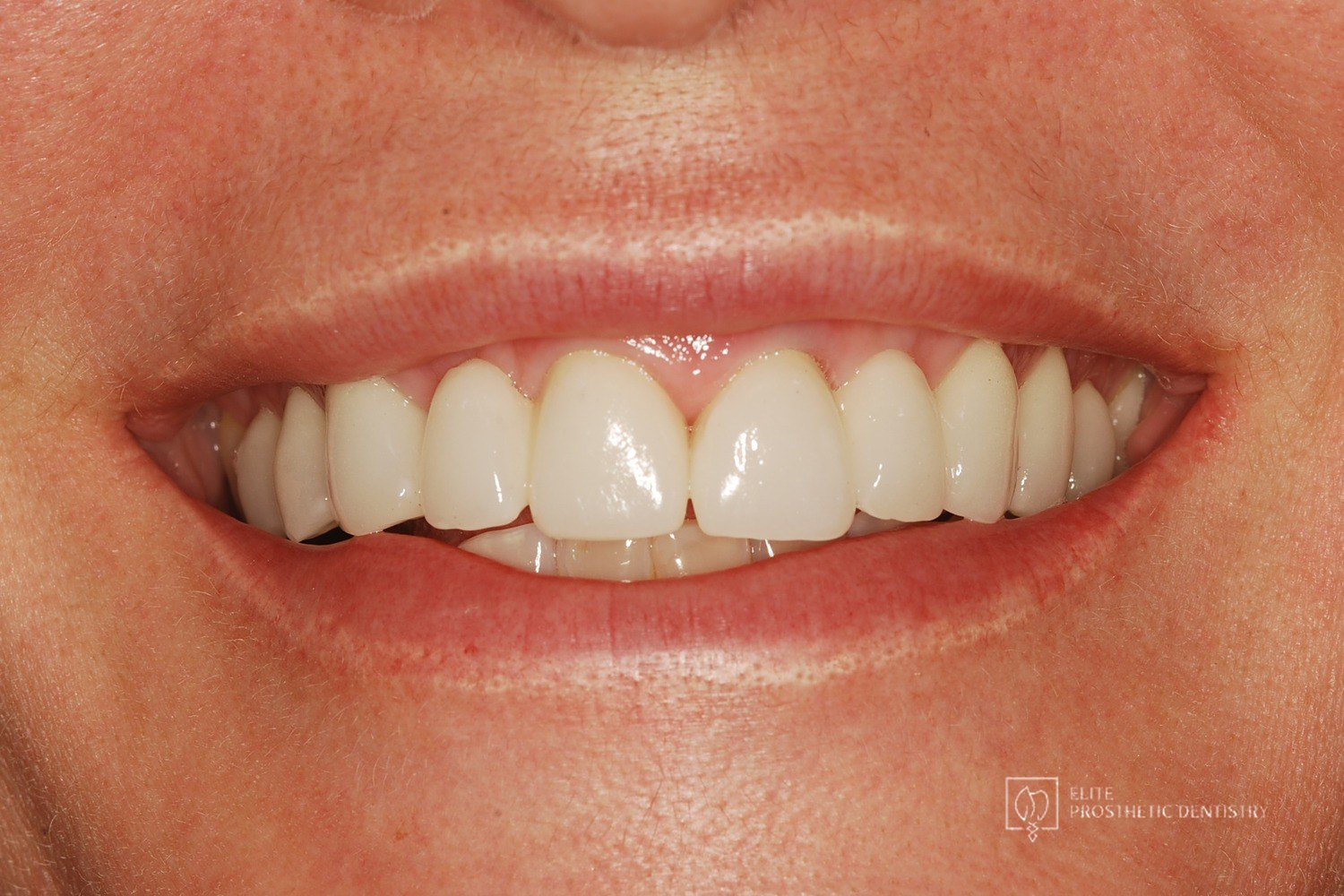
How Failing Lateral Incisor Implants Were Replaced with Custom Zirconia Bridges After Severe Bone Loss Made Replacement Implants Impossible
Comprehensive examination including CBCT imaging revealed significant bone loss surrounding implants that were placed outside the buccal plate, most likely due to placement without a CBCT-generated surgical guide. The implants were determined non-salvageable, and the alveolar ridge was too narrow to support replacement implants without extensive reconstruction.
Related Articles
Deepen your knowledge with additional insights on this topic.
 Dental Implants
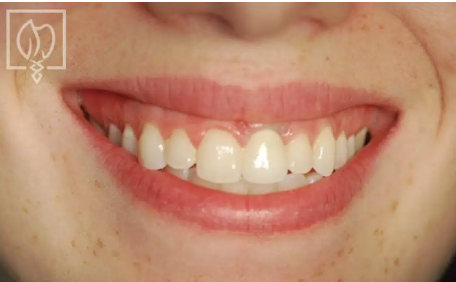
If a Single Front Tooth Is Replaced with an Implant, Can It Look Natural?
Yes. See the four steps, with real case photos, that make a single front tooth implant indistinguishable from the natural tooth beside it. Washington, DC.
 Dental Implants
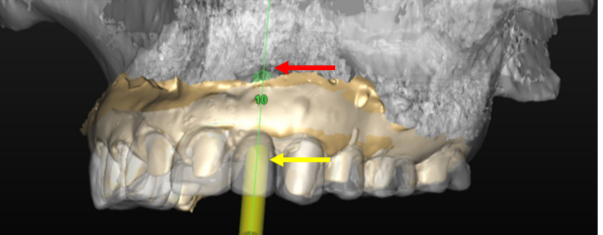
What Is Precision Implant Placement (PIP)?
Precision Implant Placement plans each implant virtually on a CBCT scan, then delivers it with a custom surgical guide. See the three steps with real images.
 Dental Implants
What Is the Ideal Surgical Guide for Precision Implant Placement?
Not all surgical guides are equal. The gold standard is CBCT-based: planned virtually in 3D, 3D printed, and seated on your teeth. A DC prosthodontist explains.
 Dental Implants
When Should an Implant Not Be Done?
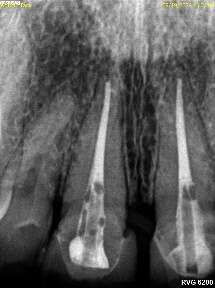
Healthy roots, thin bone, steep bony angles: a DC prosthodontist shows a real case where refusing implants was the right call, and what was done instead.
 Dental Implants
What Is Staged Implant Therapy?
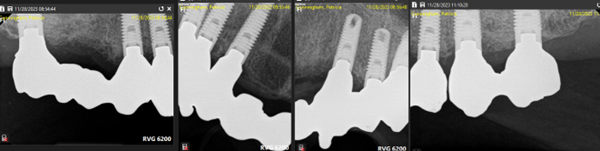
Staged implant therapy replaces failing teeth in phases while you keep fixed teeth the entire time. A DC prosthodontist walks through a real case in stages.
 Dental Implants
The Four Types of Dental Implants: Which One Is Right for You?
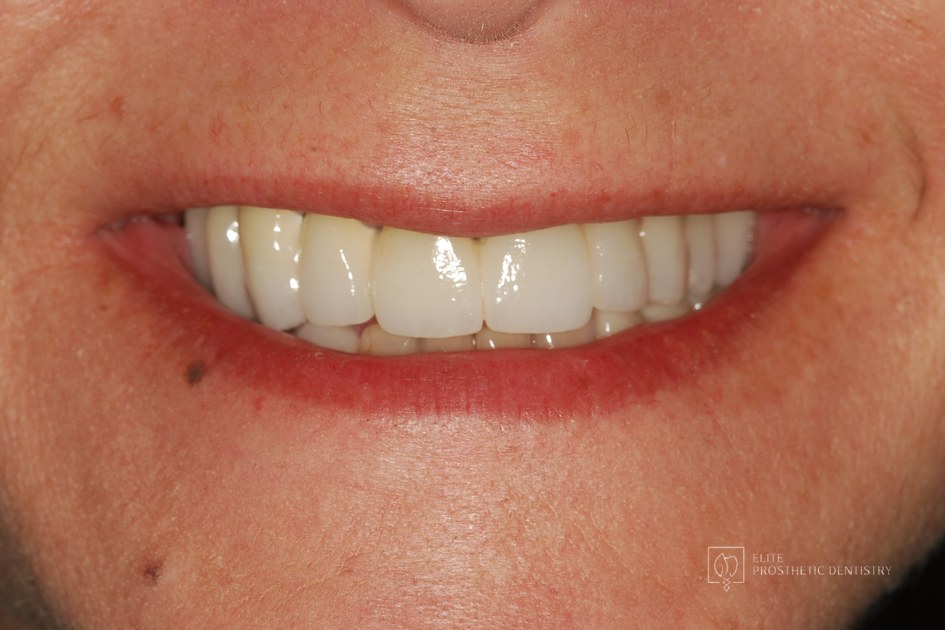
Endosteal, subperiosteal, zygomatic, and mini implants each solve a different problem. A DC prosthodontist explains the four types and who each one fits.
Deciding Who Should Treat You?
Our decision guide for Arlington patients covers a first missing tooth, a tooth that may need extraction, several missing teeth, full mouth reconstruction and aging crowns and bridges, and when another setting may serve you better.
Read the Arlington decision guide →Our Services in Arlington
Beyond Dental Implants, Arlington patients rely on Dr. Marlin for a full range of advanced dental care.
Dental Implants Near Arlington
Dr. Marlin also provides dental implants services for patients in these neighboring communities.
Getting Here from Arlington
Elite Prosthetic Dentistry is conveniently located near Arlington, VA.
Cross Key Bridge or Chain Bridge into DC, then follow Canal Road and MacArthur Boulevard north to our Friendship Heights office at 4400 Jenifer Street NW, Suite 220, Washington DC 20015.
Address:
4400 Jenifer Street NW, Suite 220
Washington, DC 20015
Phone: (202) 244-2101
Request a ConsultationRequest a Specialist Consultation from Arlington
Arlington patients come to Dr. Marlin for care that ranges from a first single implant to full-arch and complex reconstruction. With 4,100+ implants placed over 40+ years, planning, surgical placement and restoration are handled in one practice. No referral is needed.