
Single Tooth Dental Implant in Washington, DC | Prosthodontist Specialist
If one tooth is missing or may need to be removed, the first step is to understand your options. Dr. Marlin evaluates whether the tooth can be retained and, when replacement is appropriate, plans the implant and final crown together. He performs implant placement and restoration at our Friendship Heights office, with the crown made in our on-site laboratory.
4,100+
Implants Placed
97%+
Success at 20+ Yrs
1985
In-House Lab Since
35+
Yrs Documented Crown Service
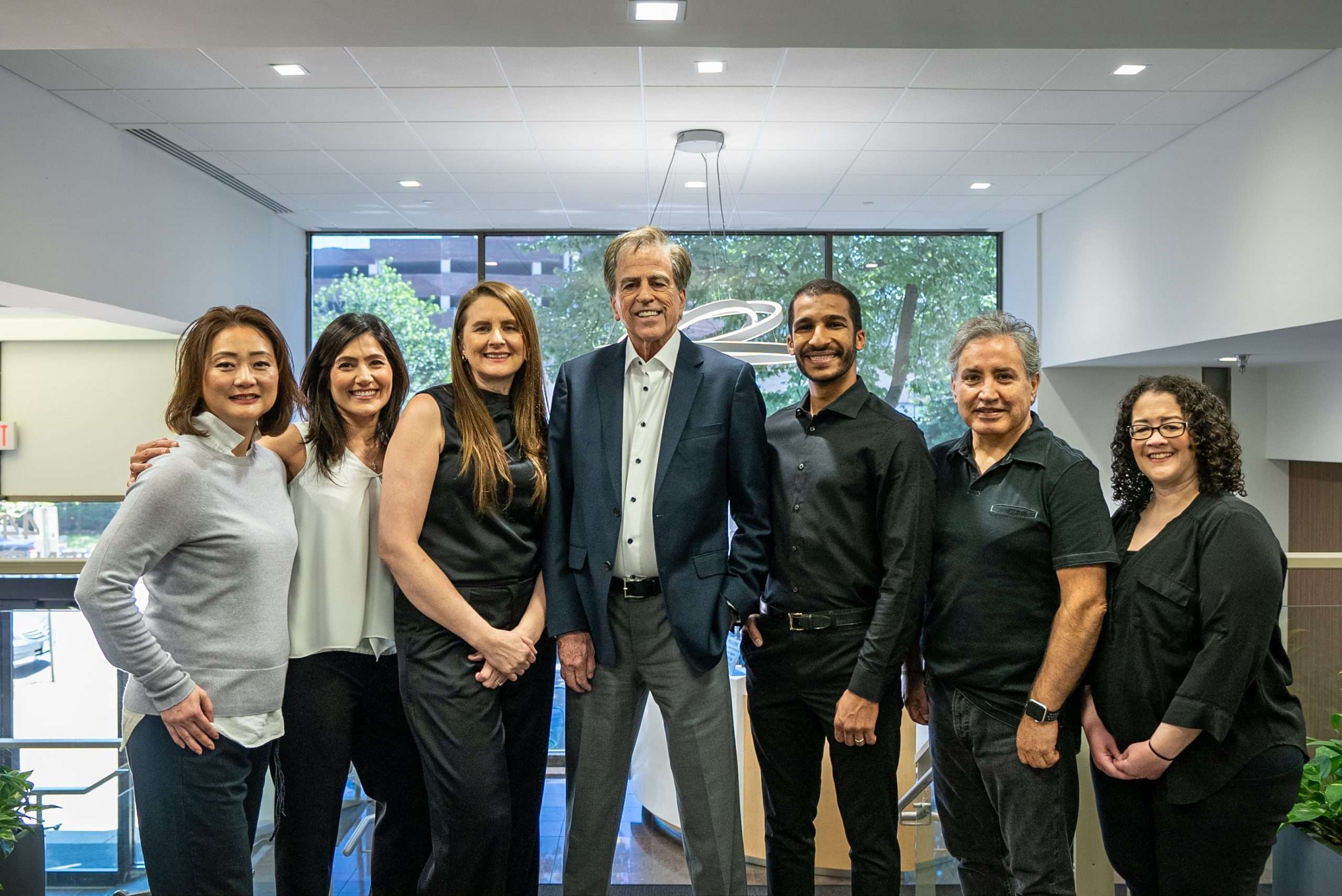
Gerald M. Marlin, DMD, MSD
Specialty-Trained Prosthodontist (DMD, MSD)
- Washingtonian "Top Dentist" 2026 and Hall of Fame
- Surgical and restorative care planned together, in one practice
- In-house dental laboratory since 1985
Or call (202) 244-2101
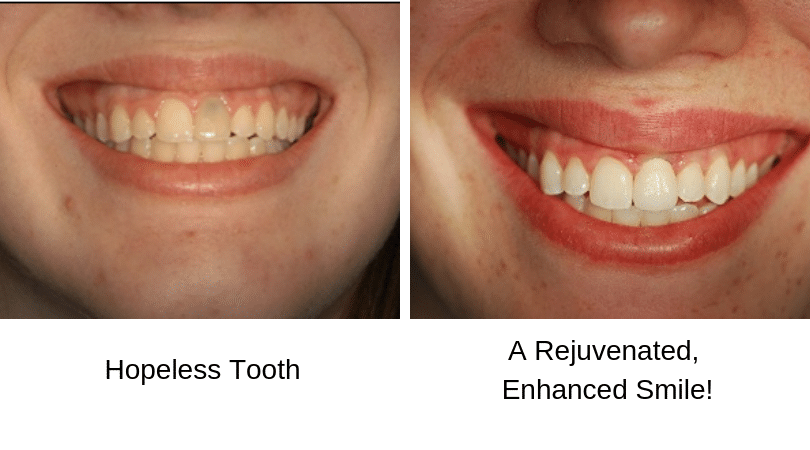
A single tooth dental implant replaces the root of one missing tooth with a titanium post and the visible tooth with a custom crown. For many patients it is the most natural-looking long-term option for one missing tooth, and the evaluation compares it with a bridge and other choices for your situation. When the implant and crown are planned together, the result can be very difficult to tell apart from a natural tooth.
At Elite Prosthetic Dentistry, single tooth implants are planned, surgically placed and restored by Dr. Gerald Marlin, a specialty-trained prosthodontist with more than 40 years of clinical practice. Missing back teeth are evaluated as well as front teeth. The custom crown is designed and fabricated in the in-house dental laboratory, working directly with the master ceramist.
Most single-implant patients here are replacing a tooth for the first time, often a tooth their dentist has said cannot be saved. No referral, failed implant or outside treatment plan is needed to be seen. The first visit establishes whether the tooth can be kept and what replacing it would involve; if the tooth is still in place, save the tooth or replace it with an implant explains how that decision is made.
Request a Single Tooth Implant Consultation Call (202) 244-2101
We are a fee-for-service practice. We can help you use available out-of-network PPO benefits, and financing is available. Our team will explain what your first visit includes and the payment arrangements before you book. Insurance and financing.
How a Single Implant Compares With a Traditional Bridge
For decades, the standard of care for a missing single tooth was a traditional fixed bridge. The bridge requires the two adjacent teeth to be ground down so they can be capped with crowns that support a false tooth between them. This approach works, but it has structural drawbacks that become clearer over time:
- Healthy adjacent teeth are permanently altered. Once enamel is removed, it cannot be replaced. Both supporting teeth now require crowns and become more susceptible to decay at the margins and to eventual structural failure.
- The underlying jawbone resorbs. Without a tooth root stimulating the bone, the bone in the gap area shrinks over time. This can affect the appearance of the gum line, the fit of the bridge, and the long-term aesthetics of the area.
- Bridges have a finite lifespan. Most traditional bridges last 10 to 15 years before requiring replacement. Each replacement cycle puts the abutment teeth at further risk.
A single tooth implant usually avoids preparing the neighboring teeth, helps maintain the bone where the root used to be, and, when properly placed, restored and maintained, can last for decades. It does not eliminate complications or the need for maintenance, and a bridge remains the right choice in some situations.
A direct, criterion-by-criterion comparison is available on the dental implants vs. bridges page.
The Single Tooth Implant Process
Step 1: Consultation and Diagnostic Workup
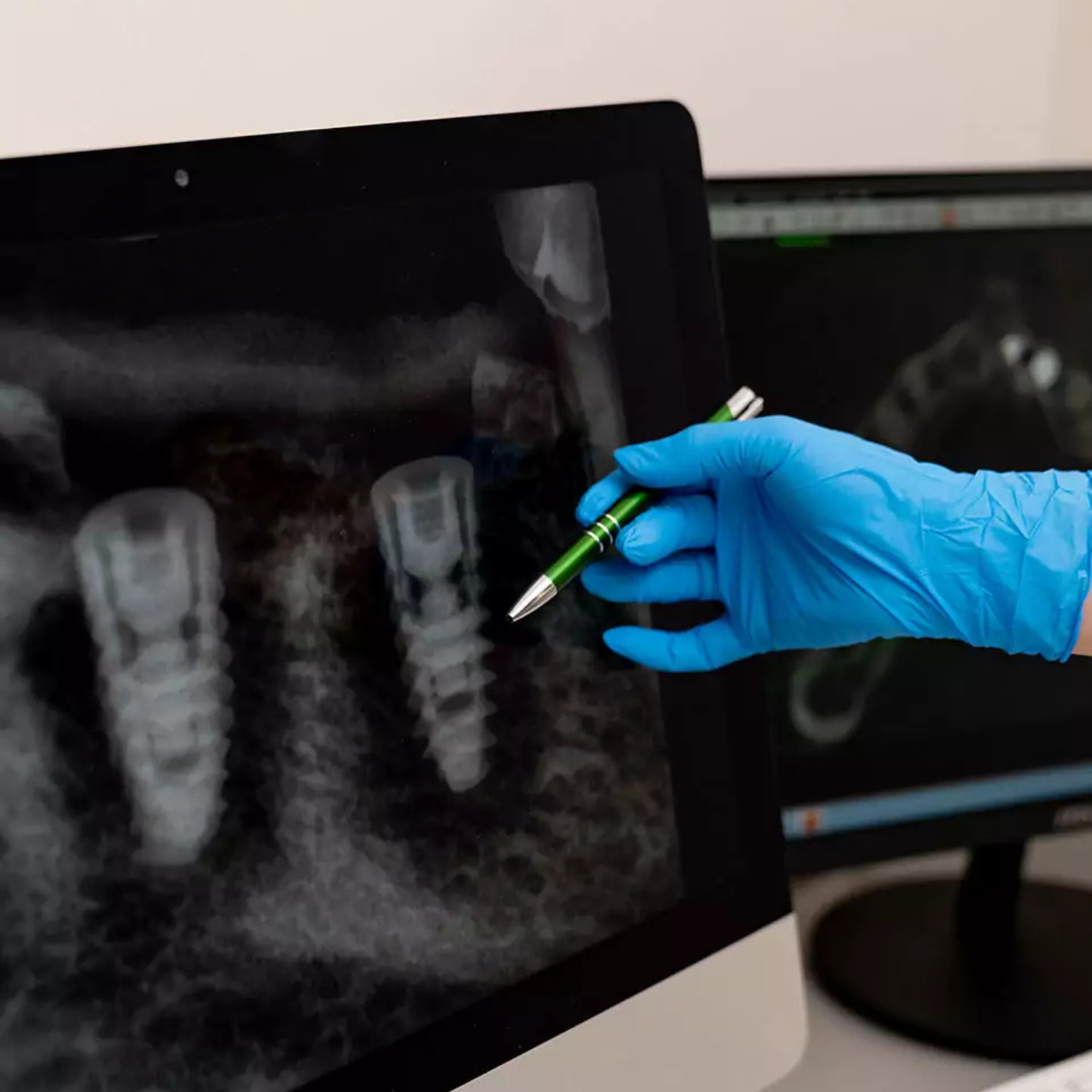
The first visit includes a clinical exam, digital imaging, and CBCT 3D scan of the implant site. Every implant case at Elite Prosthetic Dentistry, from a single implant through full-mouth reconstruction, is planned on a CBCT (cone beam CT) scan. The scan shows bone volume and density, nerve and sinus anatomy, the space available for the restoration, and where the implant must sit to support the planned final tooth. The treatment plan is built from this data.
If bone volume is insufficient at the implant site, bone grafting may be recommended before implant placement. For implants in the upper posterior region, sinus augmentation may be required.
Step 2: Implant Placement
The implant is surgically placed at the precise angle, depth, and position determined during planning. The procedure is performed under local anesthesia, with sedation options available for anxious patients. Every implant insertion uses a surgical guide generated from the CBCT scan.
Most patients return to normal activity within a day or two after implant placement. Discomfort is typically manageable with over-the-counter pain medication.
Step 3: Osseointegration
Over the next three to six months, the titanium implant fuses with the surrounding bone in a process called osseointegration. During this period, the implant site is left to heal under the gum or with a small healing abutment. A temporary tooth replacement may be provided during this period, depending on the location of the implant and aesthetic considerations.
Step 4: Custom Crown Fabrication
Once osseointegration is complete, an impression is taken and the custom crown is designed and fabricated in the in-house lab. The master ceramist works directly with the clinician to match the shade, shape, translucency, and bite of the surrounding teeth. The goal is a crown that blends with the patient’s natural teeth.
Step 5: Crown Placement
The final crown is fitted to the implant, bite is checked and refined, and the restoration is permanently secured. The patient leaves with a fully functional replacement tooth.
Materials and Restoration Options
The visible portion of a single tooth implant is the crown. Several material options exist, each with appropriate clinical indications:
- Zirconia. Modern high-translucency multilayered zirconia delivers exceptional aesthetics for anterior implant crowns, premolars, and other visible restorations, combined with the highest strength of available crown materials.
- Lithium disilicate (e.max). A glass-ceramic well-suited for posterior implant crowns, bruxism cases, and high-stress positions where a durable all-ceramic restoration is needed.
- Porcelain-fused-to-metal. Time-tested combination of strength and aesthetics, still appropriate in selected cases.
Material selection is made during the planning conversation based on the location of the implant, bite forces, and aesthetic priorities.
When Bone Grafting Is Needed Before a Single Implant
Implants require sufficient bone volume to support them. When a tooth has been missing for an extended period, the surrounding bone resorbs. When the missing tooth is in the upper jaw near the sinus, sinus pneumatization may have reduced the available bone height. In both situations, grafting can rebuild the foundation before implant placement.
Common preparatory procedures include:
- Bone grafting to rebuild lost bone volume at the implant site.
- Ridge augmentation when both width and height of the bone need restoration.
- Sinus augmentation when the maxillary sinus has expanded into space needed for upper posterior implants.
Grafting typically requires three to six additional months of healing before implant placement. All preparatory procedures are performed in-house.
Recovery and Aftercare for a Single Tooth Implant
Single tooth implant recovery is generally less involved than full-arch surgery. Many patients are back to work within one to two days, depending on the procedure. Swelling and minor discomfort are normal for the first 48 to 72 hours and respond to standard pain management. Soft diet is recommended for the first week.
Long-term care of a single tooth implant is nearly identical to care of a natural tooth: brushing, flossing, and regular professional cleanings. The crown itself cannot develop decay, but the gum and bone around the implant still require attention. Periodic radiographs at recall visits monitor the long-term health of the implant and surrounding tissues.
The full implant recovery timeline is detailed on the dental implants recovery page.
What Prosthodontic Planning Adds to a Single Implant
A single implant is still a plan for one tooth that has to fit a specific bite, gum line and set of neighboring teeth. Planning the crown first, placing the implant from that plan with a CBCT scan generated surgical guide, and making the crown in the on-site laboratory keeps those decisions connected. It matters most in three situations:
- Aesthetic-zone single implants. Front teeth are visually exposed and adjacent to other visible teeth. The crown must match in shade, shape, translucency, and gum line height. Restorative planning, combined with an in-house laboratory, lets shade and contour be checked with the patient present.
- Implants requiring grafting. When bone is compromised, the implant must be planned not just for placement but for the long-term relationship between the implant, the surrounding bone, and the final crown. Specialist planning accounts for this.
- Patients replacing prior implant work. When a single tooth implant has failed or produces a poor cosmetic result, the corrective case is significantly more complex than the original. Specialist evaluation is appropriate.
Conveniently Located in Friendship Heights
Elite Prosthetic Dentistry serves patients across Washington DC, Bethesda, Chevy Chase, McLean, Great Falls, Potomac, Arlington, and surrounding communities. The office is one block from the Friendship Heights Metro on the Red Line.
Request a Single Tooth Implant Consultation Call to Discuss Your Situation
Ready to Discuss Your Treatment Options With a Specialist?
Frequently Asked Questions
How long does a single tooth implant take from start to finish?
Typical timeline is four to six months from initial implant placement to delivery of the final crown. The implant requires three to six months of osseointegration before the final crown is fabricated and seated. In select cases with adequate bone and primary stability, a temporary crown may be placed sooner.
Does a single tooth implant feel like a natural tooth?
Yes. Once integrated and restored with a custom crown, most patients report that they forget they have an implant. The titanium root replaces the natural tooth root structurally, and the custom crown matches surrounding teeth in shade, shape, translucency, and bite.
Will a single implant damage neighboring teeth?
A single implant usually does not require preparing the neighboring teeth. A traditional bridge requires reducing the adjacent teeth to support it, which is one of the main reasons an implant is often preferred for replacing a single tooth when the neighboring teeth are healthy.
What does a single tooth implant cost in Washington, DC?
Single tooth implant cost depends on whether bone grafting is required, the type of crown selected, and any preparatory work needed. The implant, abutment and crown are itemized in a written treatment plan before treatment begins. Elite Prosthetic Dentistry is a fee-for-service practice; the team can submit out-of-network PPO claims for you, and financing is available. See the implant insurance and financing page for details.
Is a single tooth implant better than a bridge?
Often, but not always. An implant usually avoids preparing the surrounding teeth and helps maintain the bone, and it can last longer than a bridge. The comparison depends on the neighboring teeth, the bone, the bite and your priorities, and there are cases where a traditional bridge is the right answer, which are reviewed on the implant vs. bridge comparison page.
Can you help with just one missing back tooth?
Yes. We evaluate single missing back teeth as well as front teeth. The decision considers chewing, neighboring teeth, available bone and your bite, then compares an implant with other appropriate options.
Should I have the tooth removed before I see you?
If the situation allows, an evaluation before extraction helps coordinate tooth preservation, extraction, bone management and replacement. An urgent dental problem should be assessed promptly; the sequence depends on the condition of the tooth and surrounding tissues.
Will I have a gap while the implant heals?
We discuss a temporary tooth or other interim option before treatment. The choice depends on the tooth position, available support and healing requirements. A fixed temporary tooth on the implant is not suitable in every case.
How many visits will I need, and when can I work?
Your plan explains the visits for evaluation, any preliminary treatment, implant placement, healing checks and the final tooth. Time away from work and total treatment time are different questions. Both depend on the procedure and your individual recovery.
Related Services
Save the Tooth or Replace It With an Implant?
Learn more →Replacing a Missing Front Tooth
Learn more →Dental Implants Overview
Learn more →Implants vs. Bridges
Learn more →Implant-Supported Bridge (Several Missing Teeth)
Learn more →Implant Recovery Timeline
Learn more →Zirconia vs. Titanium Implants
Learn more →Implant Cost, Insurance & Financing
Learn more →Custom Crowns
Learn more →Bone Grafting
Learn more →Conveniently Located in Friendship Heights
Serving Washington DC, Bethesda, Chevy Chase, McLean, Great Falls, Potomac, and surrounding communities. One block from the Friendship Heights Metro on the Red Line.
Request Your Specialist Consultation
Personally reviewed by Dr. Marlin or his team.
Hours
- Monday — Thursday8:00 AM — 5:00 PM
- Friday8:00 AM — 2:00 PM
- Saturday — SundayClosed