
Dental Implants for Chevy Chase, MD Patients
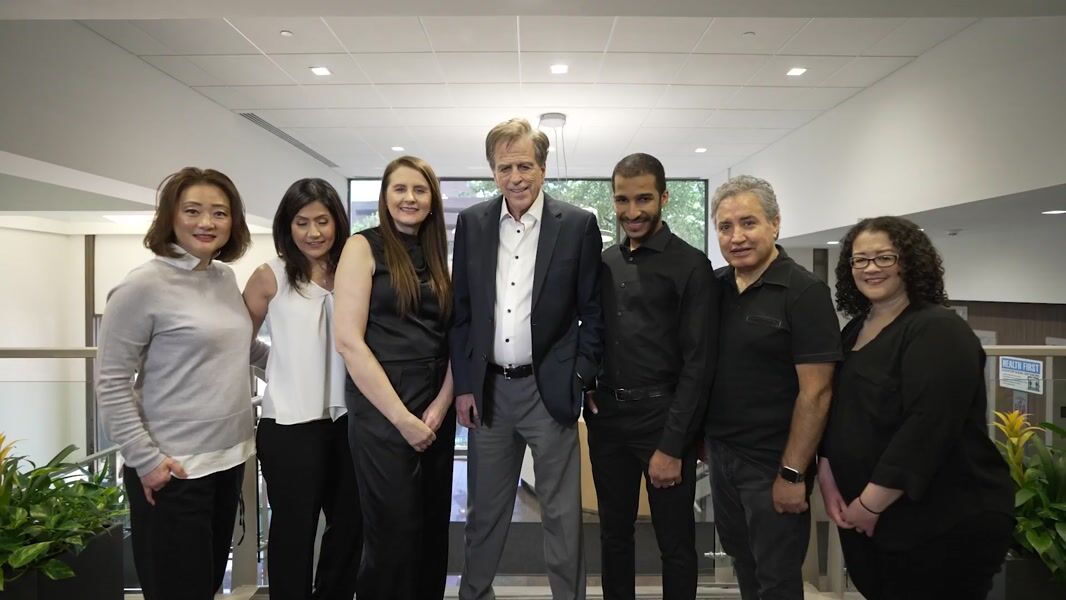
Chevy Chase residents trust Dr. Gerald Marlin for dental implants. 4,100+ implants placed with prosthodontic precision.
You have choices when you need dental implants, whether you are replacing one tooth for the first time or several. This page explains how implant care is organized at Elite Prosthetic Dentistry so you can compare approaches and know what to ask wherever you are treated.
Looking for a Prosthodontist Near Chevy Chase to Evaluate Crowns, Bridges or Implants?
Chevy Chase patients come to the practice to replace a missing or failing tooth with an implant, often for the first time, to replace several teeth or a full arch, and to have existing crowns, bridges or implant work evaluated before deciding what, if anything, should be redone. No referral is needed. The evaluation separates what needs treatment from what can be preserved, and documented cases on this site show both outcomes. Our office is in Friendship Heights, Washington, DC, at 4400 Jenifer Street NW, one block from the Friendship Heights Metro, with parking in the building. From Chevy Chase the office is reached by Connecticut or Wisconsin Avenue or the Red Line to Friendship Heights.
Who Plans, Places and Restores Your Implant
Implant care can be delivered within one practice or by a team that spans several offices. Ask who will plan and perform each phase, how the final teeth influence implant positioning, and who will provide follow-up. At Elite Prosthetic Dentistry, Dr. Marlin plans, surgically places and restores implants, with the final restorations fabricated in the on-site laboratory.
Dr. Marlin is a specialty-trained prosthodontist. After dental school he completed a three-year hospital-based residency in tooth replacement and restoration, and his career has centered on implant planning and placement, bone grafting and the restorations implants carry. Your general dentist remains part of your care for routine treatment and maintenance.
Every implant case at Elite Prosthetic Dentistry, from a single implant through full-mouth reconstruction, is planned on a CBCT (cone beam CT) scan. The scan shows bone volume and density, nerve and sinus anatomy, the space available for the restoration, and where the implant must sit to support the planned final tooth. Many practices work with an outside laboratory, which works from impressions, prescriptions, and photographs, so refinements travel back and forth. Here, your crown is designed and fabricated in the practice’s on-site laboratory, where the clinician and technician refine shade, contour, fit, and bite together.
Dr. Marlin plans the final tooth, performs the implant surgery and restores the implant. CBCT scan generated surgical guides for all implant insertions connect the planned restoration with implant placement, and the on-site laboratory supports the design and fabrication of the final teeth.
The same planning applies whether the implant replaces one back tooth, a visible front tooth or several teeth.
Comparing Implant Care Models
Large implant centers, group practices and individual offices organize implant care in different ways, and each can serve the right patient well.
Some separate the surgical and restorative roles among different providers; others keep them within one practice. Ask who will plan and perform each phase, who will make the final teeth, and who will provide follow-up.
Dr. Marlin’s practice operates differently. Your care stays within one specialist practice and one treatment plan, from consultation through long-term follow-up. Your case receives individual evaluation and custom planning. Your restoration is fabricated in-house with materials you can verify. When questions arise, you reach the clinical team that knows your case.
The lowest initial fee is not always the lowest lifetime cost. Implants and crowns that later need correction or replacement add cost over time, which is why the planning behind a case matters as much as the price.
When Another Surgeon Is Involved
Oral surgeons are skilled specialists who excel at surgical implant placement. Some patients arrive with implants placed by respected oral surgeons in the Chevy Chase and Bethesda area, and some prefer to keep their surgeon involved.
Surgical placement and restoration are separate phases, and the result depends on how well they are planned together.
When Dr. Marlin places the implant, its position comes directly from the restoration plan. When a patient’s own surgeon places it, that surgeon receives detailed restorative specifications for the implant position, and the final tooth is made in the practice’s laboratory so the original plan carries through.
Either way, the goal is the same: an implant positioned where the planned final tooth needs it.
Why Restoration Quality Matters More Than You Might Expect
You might assume implants are implants, and the main variable is surgical placement. Actually, restoration quality determines whether your implant looks and feels natural.
An implant restoration that is slightly too thick creates a bulky appearance. One positioned too long distorts your smile line. One with improper emergence profile (the way it transitions from gum to visible crown) looks fake. These restorative details separate an adequate result from an excellent one.
Dr. Marlin pays close attention to these details. The on-site laboratory allows each crown to be evaluated under different lighting, against your natural teeth, within your smile line, with micro-adjustments made until your restoration achieves the esthetic refinement Chevy Chase residents expect.
When you invest in implants, invest in restoration quality. That’s where your long-term satisfaction lives.
Single Implants, Multiple Implants, and Full-Mouth Solutions
You face different options depending on your tooth loss pattern. Understanding the comparison helps you make an informed choice.
A single missing tooth is often well suited to an implant. The neighboring teeth usually do not need to be prepared. The implant functions independently. This approach is conservative, durable, and esthetic.
A bridge or partial denture spans the same gap using fewer implants or none. The trade-off is that bridges require grinding down adjacent teeth, removing healthy tooth structure permanently. Partial dentures are removable and require daily care routines.
Multiple missing teeth might be addressed through individual implants, or fewer implants supporting an implant-supported bridge. Individual implants give you maximum longevity for each position. Implant bridges reduce costs by using fewer implants, though each implant bears more chewing force.
Full-mouth restoration compares to dentures, bridges, or multiple individual crowns. Full-mouth implant restorations using 4-8 implants per arch provide fixed, permanent replacement functioning like natural teeth. You never remove them. You never worry about slipping or shifting. You enjoy normal eating, speaking, and smiling without restrictions.
If you’re considering options, Dr. Marlin explains the trade-offs: longevity, cost, esthetic outcome, and maintenance requirements. You choose based on your priorities.
A Missing Front Tooth: The Decision Chevy Chase Patients Ask About Most
A front tooth is the least forgiving replacement in dentistry: the gum line, the implant position and the crown all have to match one specific neighboring tooth, and a few degrees of angulation decide whether the result looks like a tooth. The evaluation at Elite Prosthetic Dentistry begins with whether the tooth can be kept; if it cannot, a CBCT scan establishes the bone that remains, the final crown is designed first, and the implant position, any grafting and the provisional that shapes the gum follow from that design. Gerald M. Marlin, DMD, MSD, plans, surgically places and restores the implant in the Friendship Heights office, and the on-site laboratory matches the crown with the patient present.
Documented cases: a front tooth lost to childhood trauma, rebuilt with bone grafting and a single implant, a front tooth broken at the gum line in a bike accident, and two front teeth saved after extraction and implants had been recommended. Our guide on replacing a missing front tooth covers the implant, bridge and save-the-tooth decision, and the Chevy Chase community guide covers logistics.
What Happens if Your Implant Was Done Elsewhere
You may have had implants placed before consulting Dr. Marlin. Some implants placed elsewhere work reliably. Others develop problems: loose crowns, implant positioning that looks or feels wrong, implants that have failed.
Dr. Marlin regularly treats patients from Chevy Chase whose prior implant work requires correction. Sometimes the implant can be salvaged with a new crown. Sometimes it needs replacement. The evaluation identifies why the implant is failing before any treatment is recommended.
Bringing your prior implant to Dr. Marlin for evaluation doesn’t obligate you to pursue corrections. But many patients discover that problems they’ve accepted as permanent can actually be resolved.
The Investment: Cost, Financing, and Long-Term Value
Implants cost more upfront than some alternatives. With good planning and maintenance they can serve for decades, while a bridge or denture often needs replacement or adjustment over the years.
Dr. Marlin provides a written treatment plan with itemized fees before treatment begins. We are a fee-for-service practice and are not in-network with insurance plans; the team can submit out-of-network PPO claims for you, and financing is available. See insurance and financing.
From a lifetime cost perspective, implants often prove most economical. You avoid years of bridge repairs, crown replacements, and denture adjustments. You maintain more of your natural bone structure. You preserve function and appearance long-term.
Comparing the cost over 20 years, including likely replacements of each option, is often more useful than comparing the first fee.
Accessing Elite Prosthetic Dentistry from Chevy Chase
The office is a short trip from Chevy Chase by Connecticut or Wisconsin Avenue, and the Friendship Heights Red Line station is one stop from Bethesda if you prefer public transit. Parking is available in our building and on nearby streets.
Allow for traffic at your appointment time.
Making Your Decision
Your general dentist remains your partner for routine care. For implant treatment, from a first single tooth to a full arch, an evaluation shows which options fit your teeth, bone and bite.
Schedule your consultation with Dr. Marlin. Call (202) 244-2101. You’ll get an honest assessment of your options, a clear recommendation based on your anatomy, and transparency about costs and timeline.
No referral is needed to schedule an evaluation.
Elite Prosthetic Dentistry 4400 Jenifer Street NW, Suite 220 Washington, DC 20015 (202) 244-2101
Frequently Asked Questions
How far is Elite Prosthetic Dentistry from Chevy Chase?
Our office at 4400 Jenifer Street NW is a short distance from central Chevy Chase by Connecticut or Wisconsin Avenue or the Red Line. Patients coming from the Chevy Chase Circle area typically drive south on Connecticut Avenue and turn onto Jenifer Street. The Friendship Heights Metro station on the Red Line is steps from our building, making it one stop from the Bethesda station that many Chevy Chase residents use.
Why should Chevy Chase residents see a prosthodontist for dental implants?
A prosthodontist completes three additional years of specialty training beyond dental school in tooth replacement and restoration. Dr. Marlin plans the final tooth first, then surgically places and restores the implant so its position supports the planned restoration, whether you are replacing one tooth for the first time or several.
Does Dr. Marlin handle the surgery and the restoration?
Yes. Dr. Marlin plans the treatment, surgically places the implant and restores it, with CBCT scan generated surgical guides for all implant insertions and the final tooth designed and made in the on-site laboratory. When a patient prefers to keep their own oral surgeon or periodontist involved, Dr. Marlin plans the case with that surgeon and completes the restoration here.
What if I have been told I do not have enough bone for implants?
Many patients who have been told they lack sufficient bone are still candidates with the right approach. Dr. Marlin routinely works with patients who need bone grafting, sinus augmentation, or ridge augmentation before implant placement. He has placed more than 4,100 dental implants, and that experience includes cases involving bone deficiency.
How long do dental implants last?
When placed correctly and restored by a specialist, dental implants can last decades. Dr. Marlin has patients with implant restorations that have been in place for over 35 years. Longevity depends on the quality of the initial restoration, the patient's oral hygiene habits, and regular follow-up care.
Related Patient Success Stories
Explore similar patient success stories demonstrating our expertise in advanced prosthetic dentistry.
 Before
 After
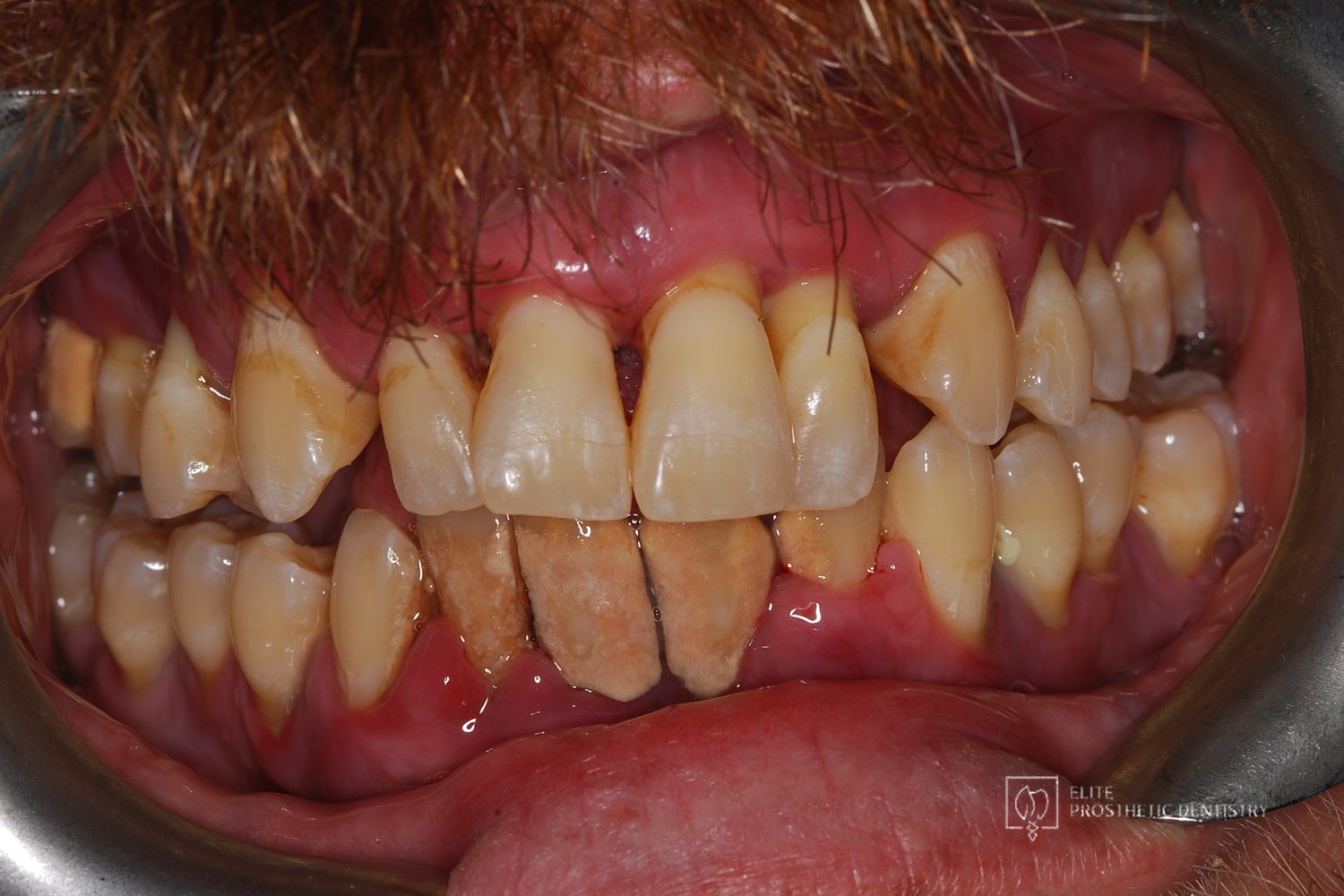
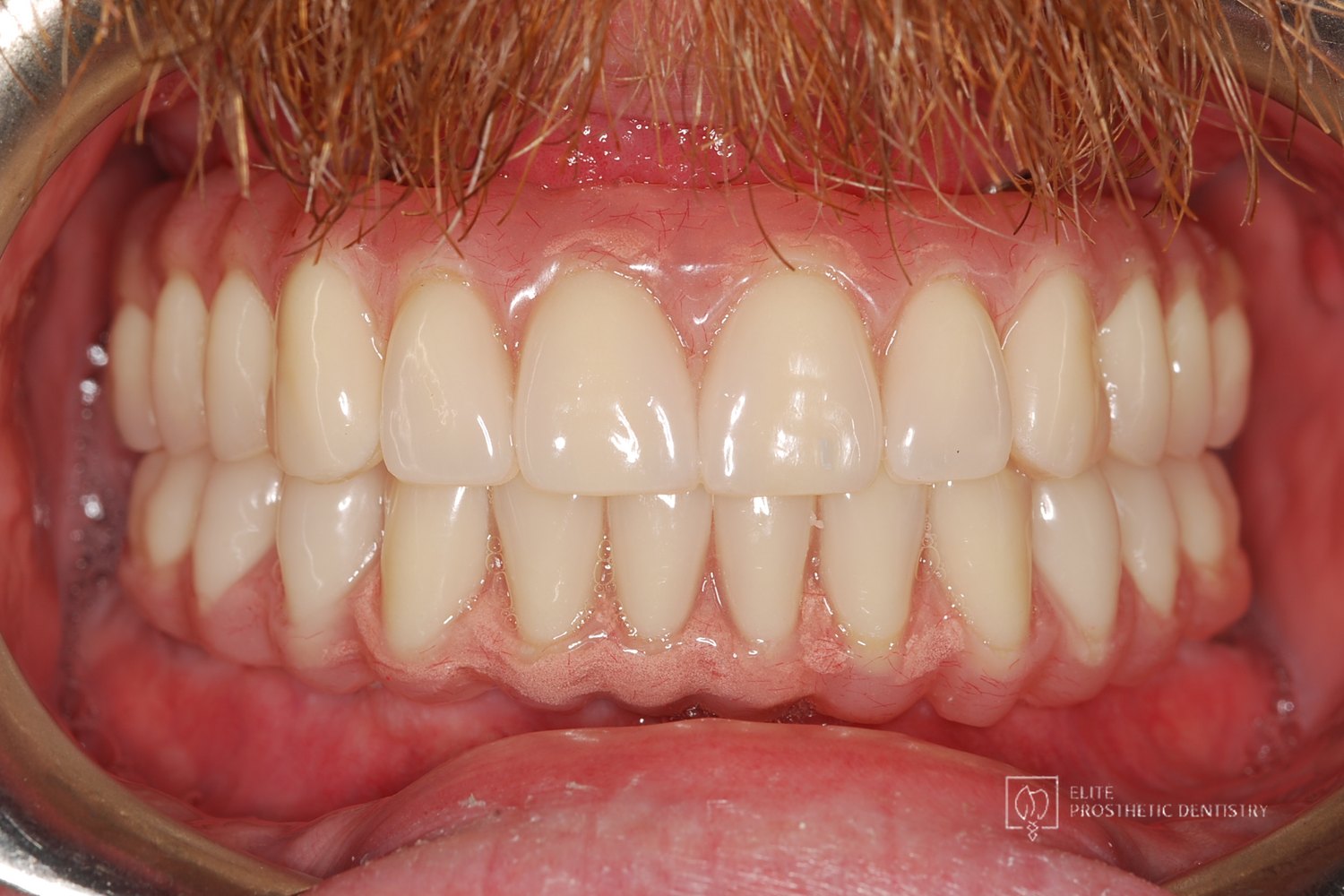
Both Arches Rebuilt After Advanced Periodontal Disease: Twelve Guided Implants and a Signature Hybrid Prosthesis
Advanced periodontal disease had destroyed the support around the remaining teeth in both arches. None could be kept, and the bone that would carry implants had been lost along with them.
 Before
 After
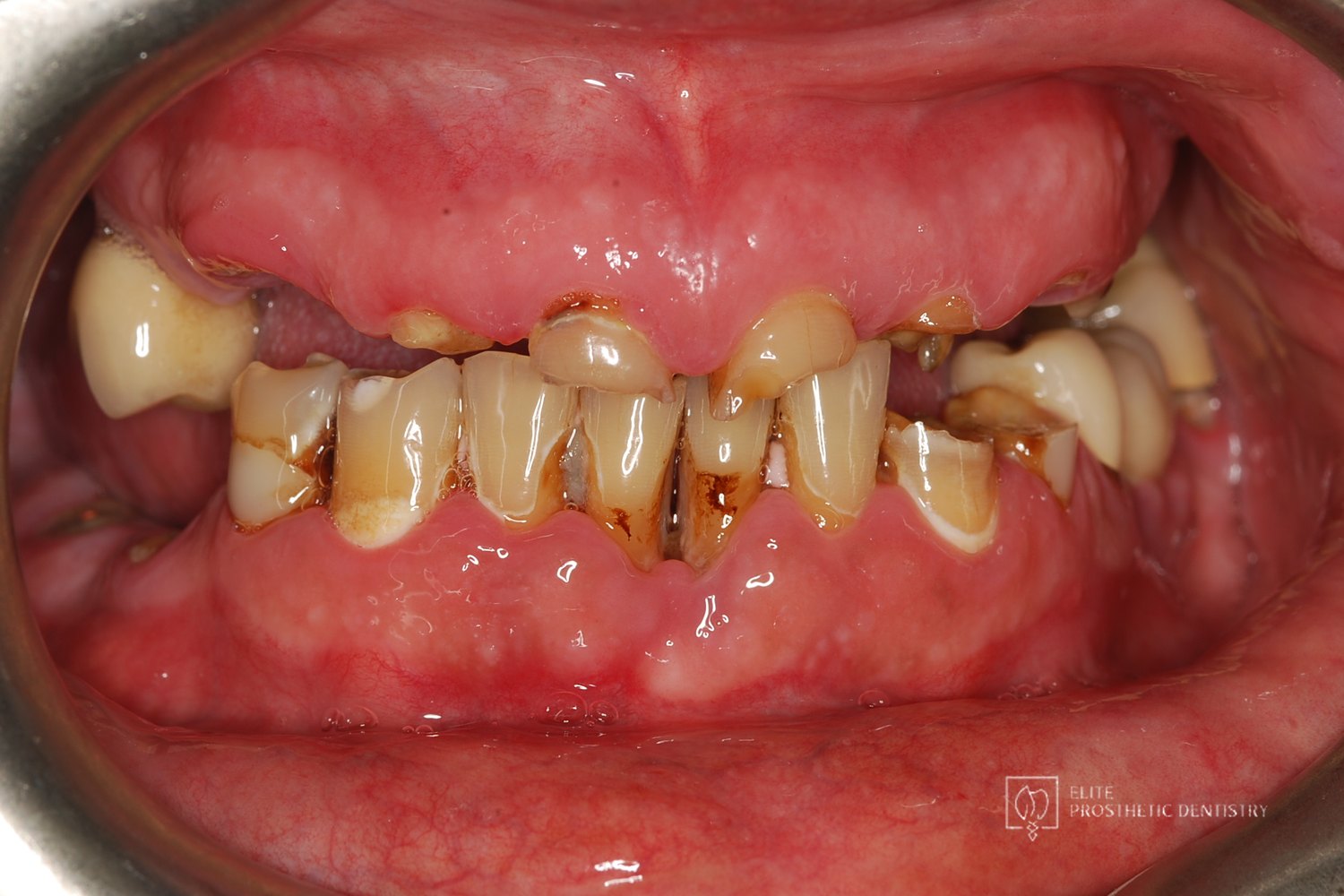
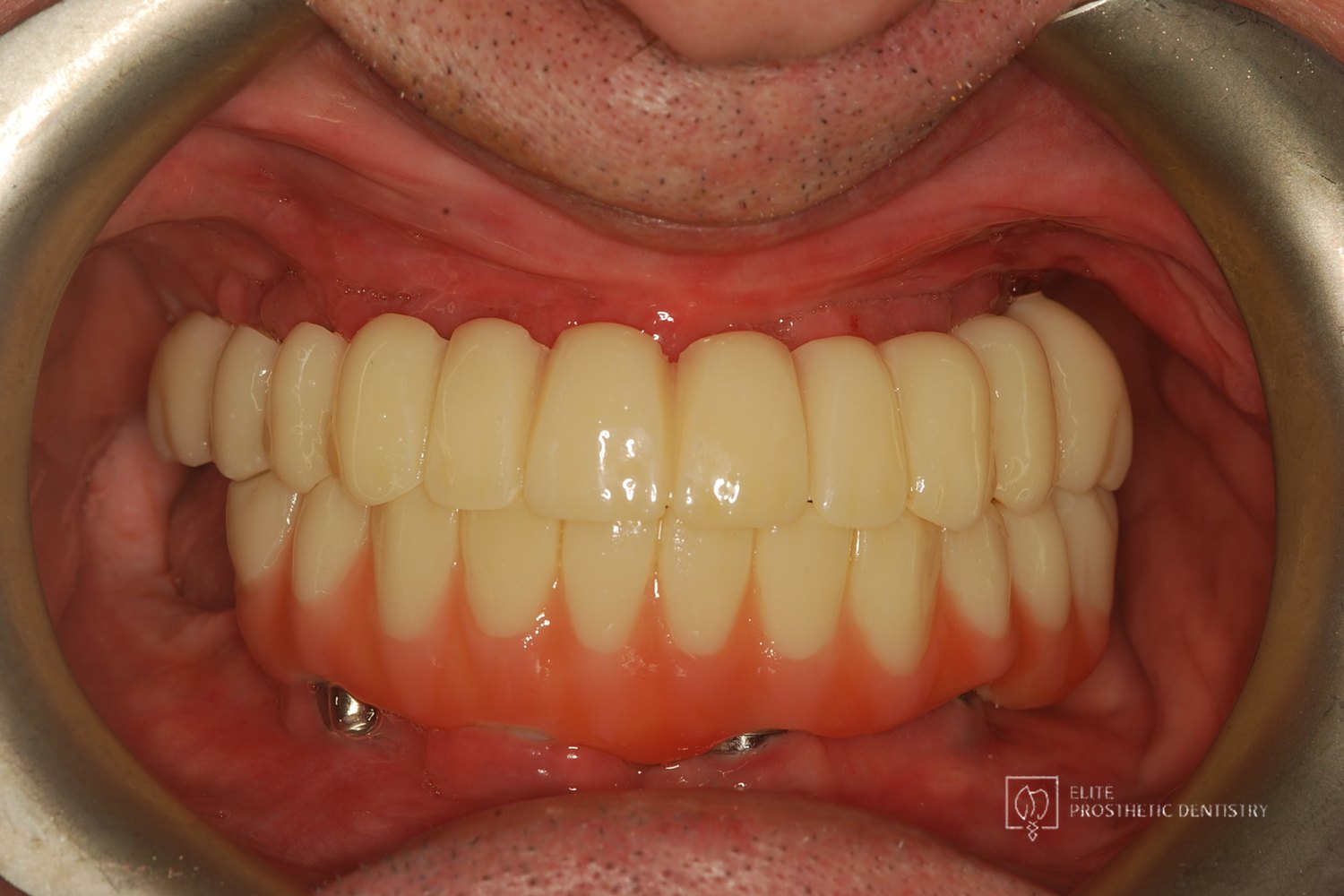
Both Arches Rebuilt After Years Without Dental Care and Heavy Grinding: Eight Guided Implants and an Elite Hybrid Prosthesis
Years without dental care combined with heavy grinding had destroyed the teeth in both arches. None were salvageable, and the bone needed rebuilding before implants could carry a new bite.
 Before
 After
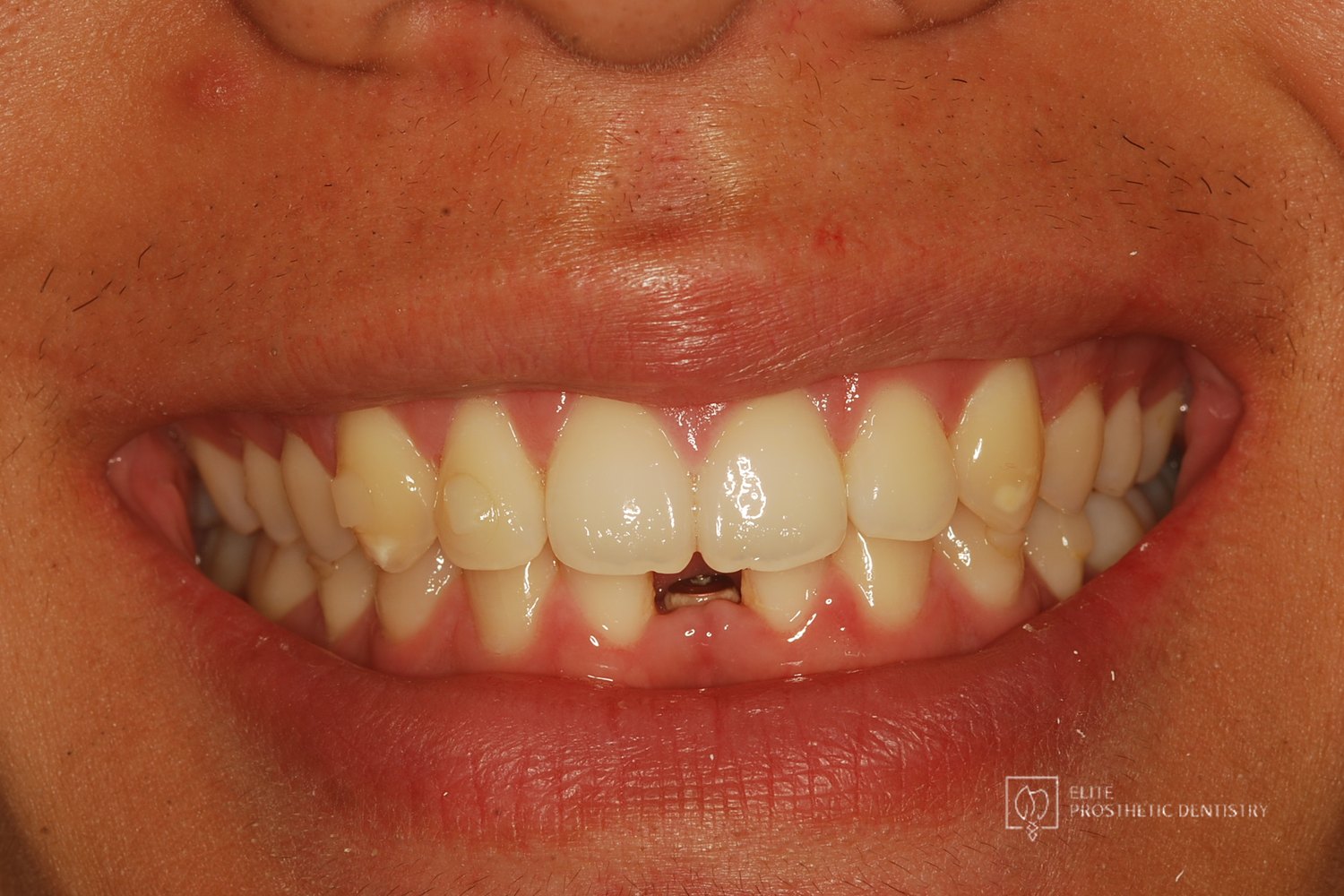
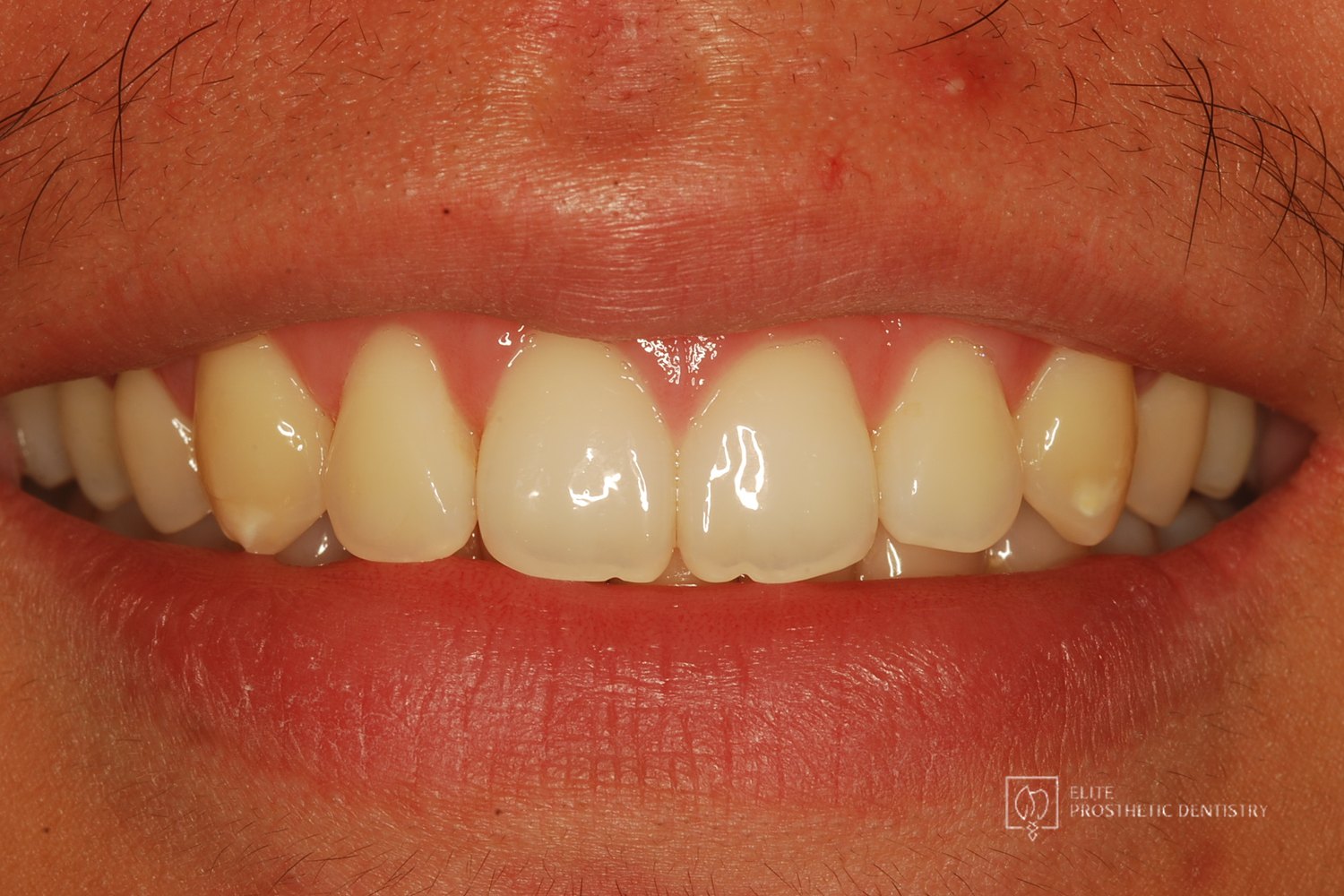
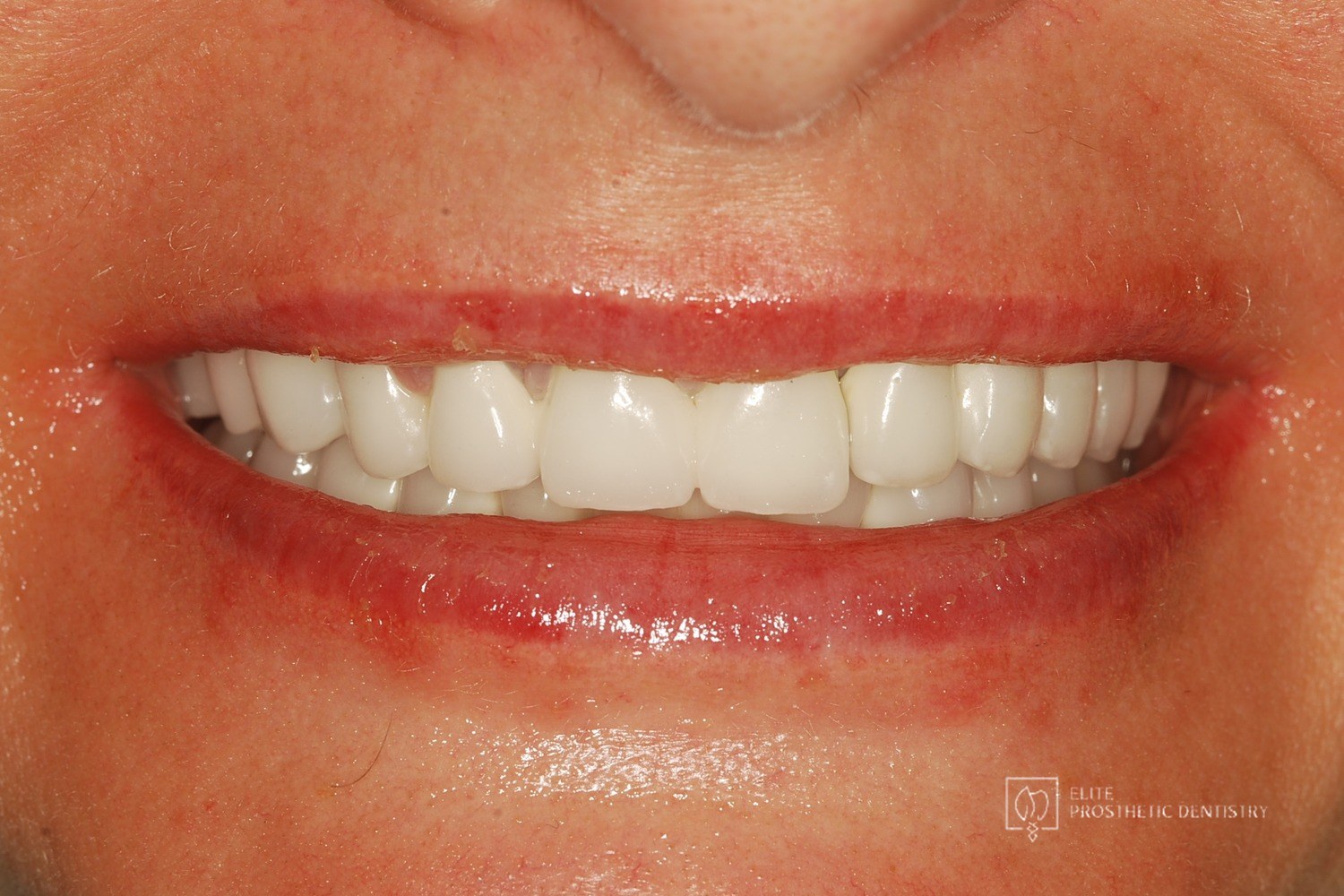
Bone Loss Around a New Dental Implant: Removed Early, the Ridge Rebuilt, and a Guided Replacement Implant Restored
A 26-year-old patient referred for a crown on a recently placed lower front implant arrived with 5 mm pocketing, bone loss, and exposed implant threads around it; a CBCT scan showed a ridge too narrow to hold the implant fully in bone. A crown could have been made, but the foundation would not have lasted.
 Before
 After
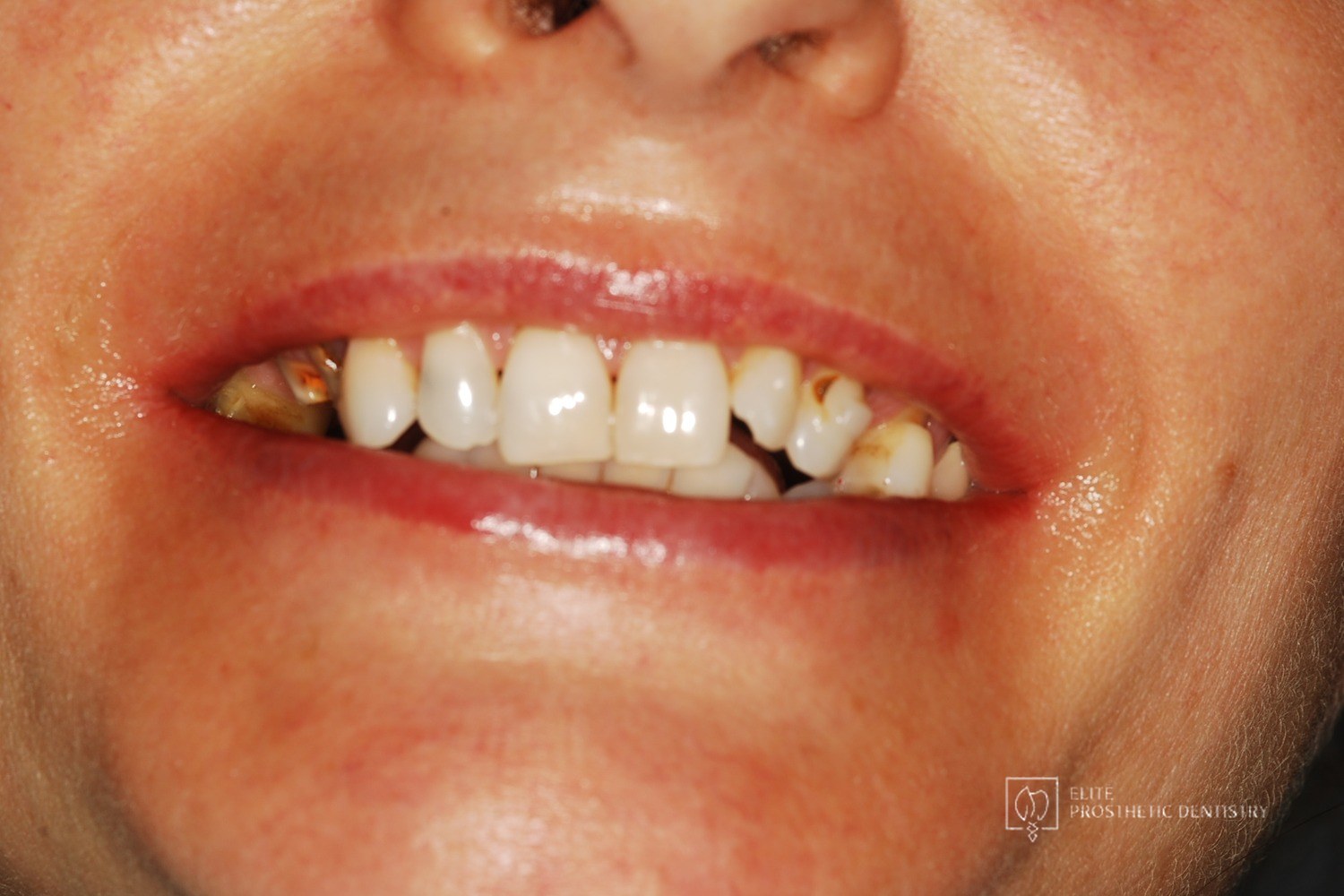
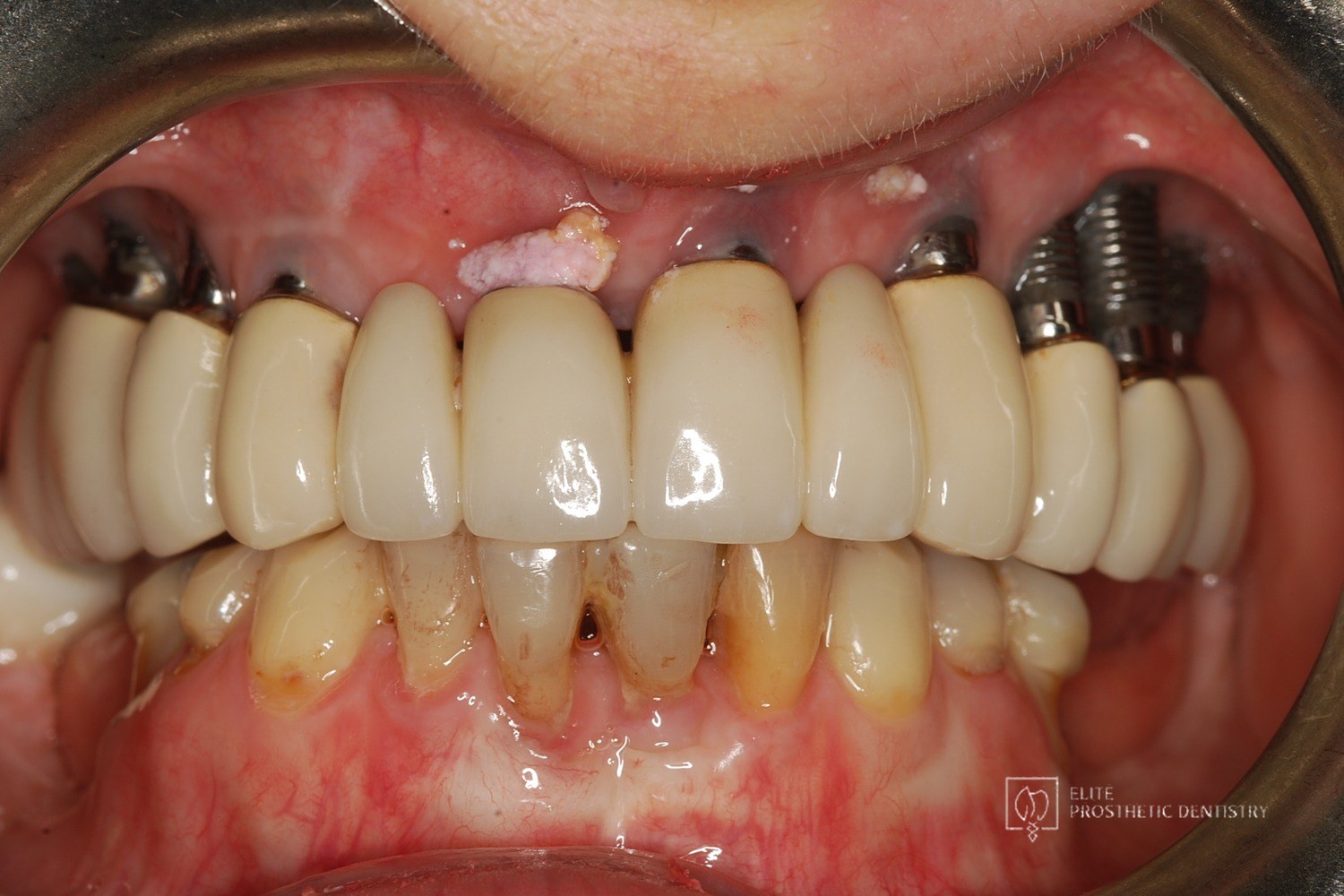
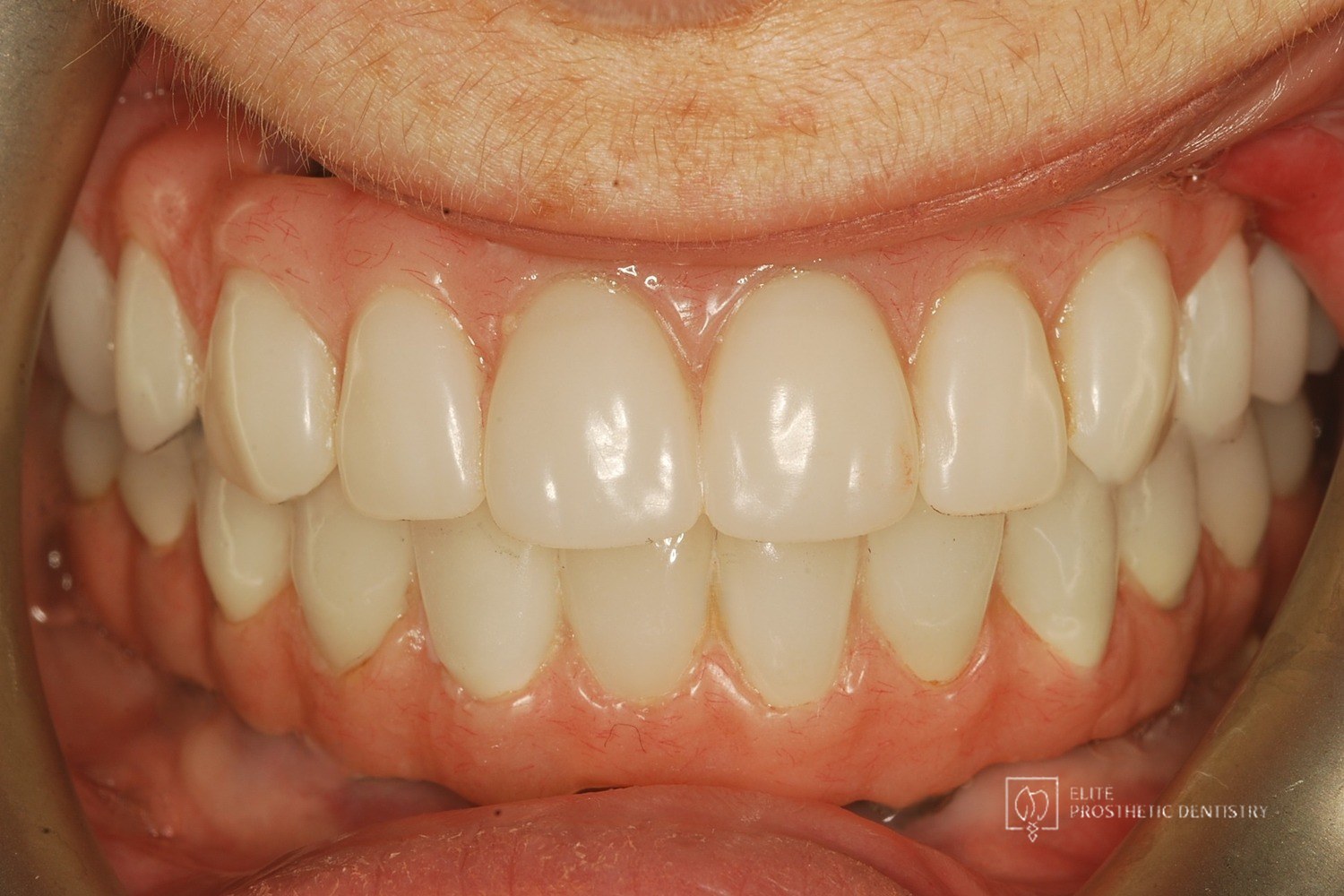
How Aging, Failing Dentistry Was Replaced with a Coordinated Full-Mouth Implant and Crown Reconstruction
The patient presented with throbbing upper-molar pain, long-standing infections, multiple root canals and unfinished prior treatment, generalized sensitivity, and several hopeless teeth.
 Before
 After
How Failing Implants and Severe Bone Loss Were Rebuilt Into a Stable Full-Arch Implant Reconstruction
The patient presented with significant complications from previously placed implants, severe bone loss, failing posterior implants, and an unesthetic full-arch bridge. Both arches required full reconstruction, with the upper arch showing the most advanced bone loss and instability.
 Before
 After
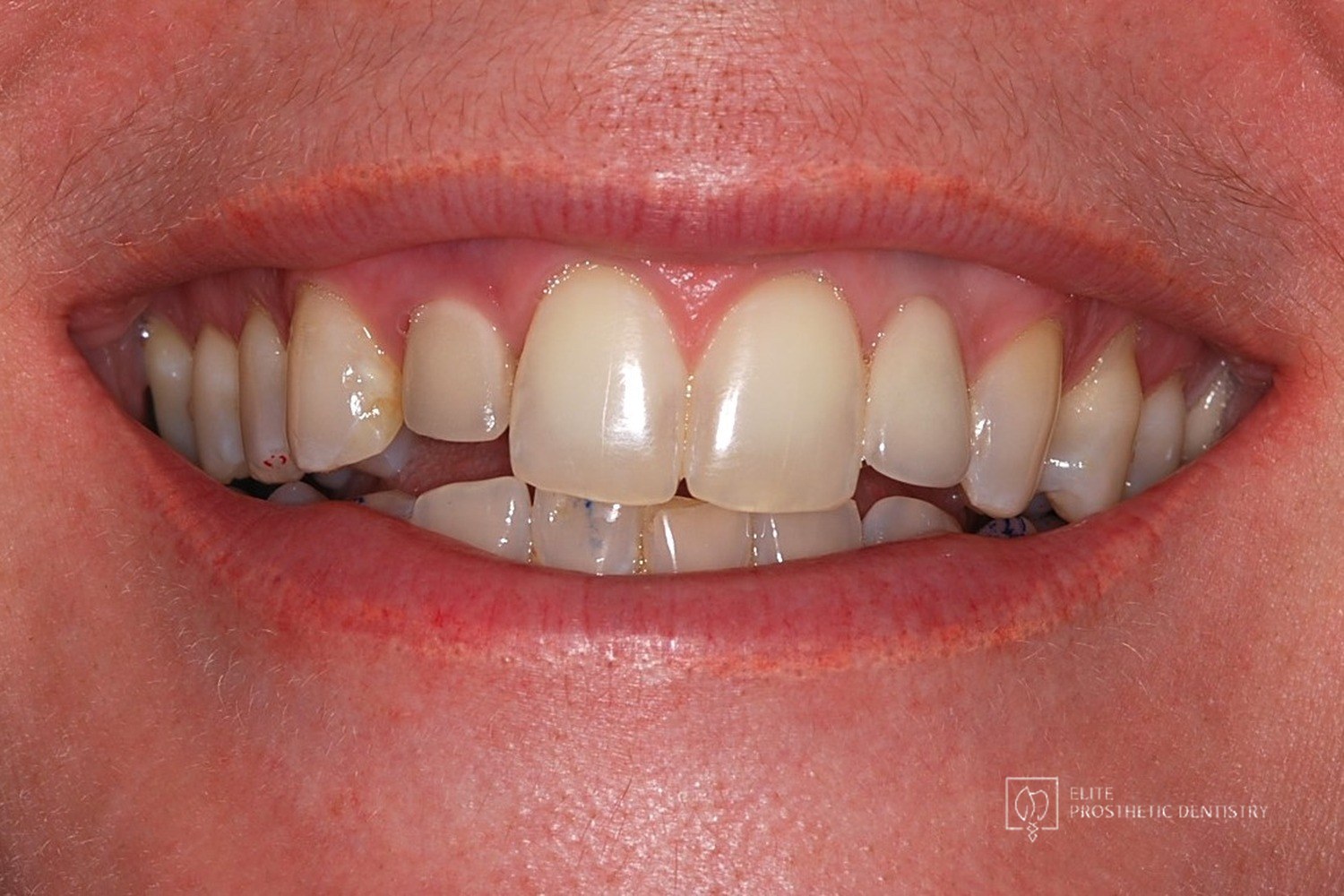
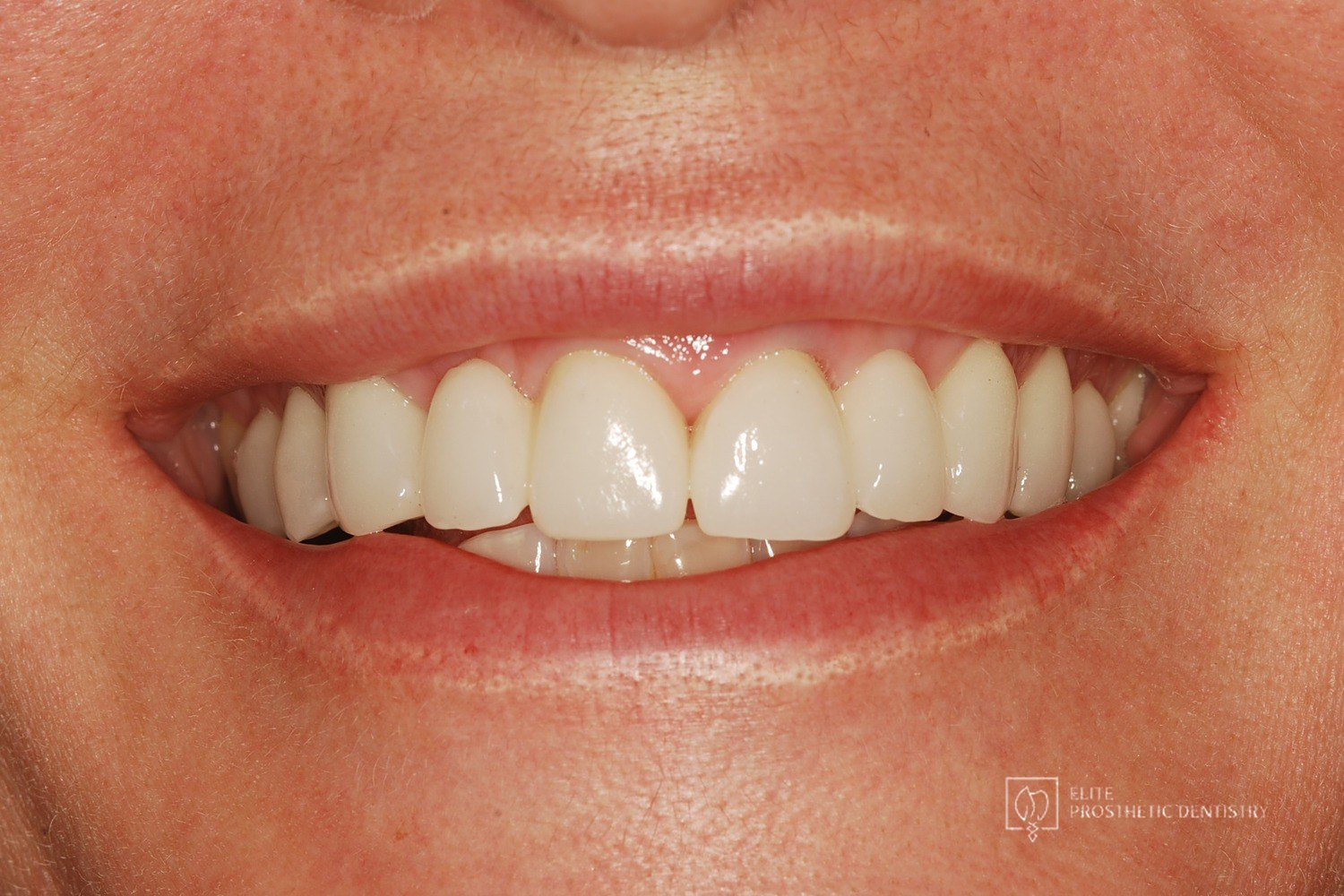
How Failing Lateral Incisor Implants Were Replaced with Custom Zirconia Bridges After Severe Bone Loss Made Replacement Implants Impossible
Comprehensive examination including CBCT imaging revealed significant bone loss surrounding implants that were placed outside the buccal plate, most likely due to placement without a CBCT-generated surgical guide. The implants were determined non-salvageable, and the alveolar ridge was too narrow to support replacement implants without extensive reconstruction.
Related Articles
Deepen your knowledge with additional insights on this topic.
 Dental Implants
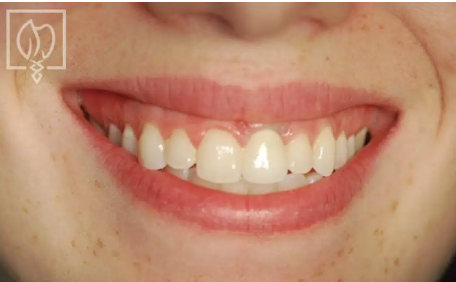
If a Single Front Tooth Is Replaced with an Implant, Can It Look Natural?
Yes. See the four steps, with real case photos, that make a single front tooth implant indistinguishable from the natural tooth beside it. Washington, DC.
 Dental Implants
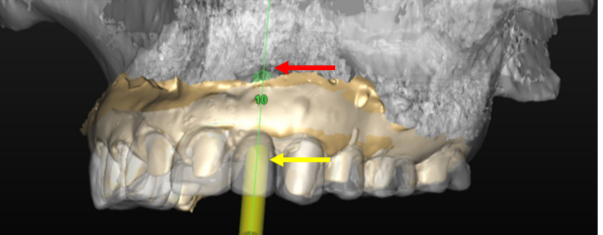
What Is Precision Implant Placement (PIP)?
Precision Implant Placement plans each implant virtually on a CBCT scan, then delivers it with a custom surgical guide. See the three steps with real images.
 Dental Implants
What Is the Ideal Surgical Guide for Precision Implant Placement?
Not all surgical guides are equal. The gold standard is CBCT-based: planned virtually in 3D, 3D printed, and seated on your teeth. A DC prosthodontist explains.
 Dental Implants
When Should an Implant Not Be Done?
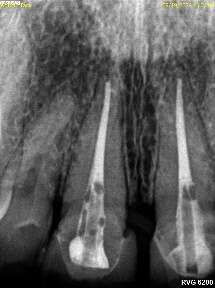
Healthy roots, thin bone, steep bony angles: a DC prosthodontist shows a real case where refusing implants was the right call, and what was done instead.
 Dental Implants
What Is Staged Implant Therapy?
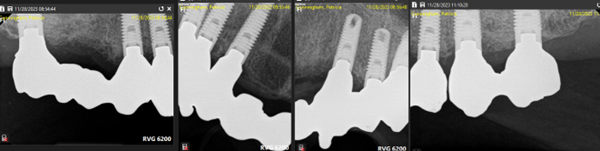
Staged implant therapy replaces failing teeth in phases while you keep fixed teeth the entire time. A DC prosthodontist walks through a real case in stages.
 Dental Implants
The Four Types of Dental Implants: Which One Is Right for You?
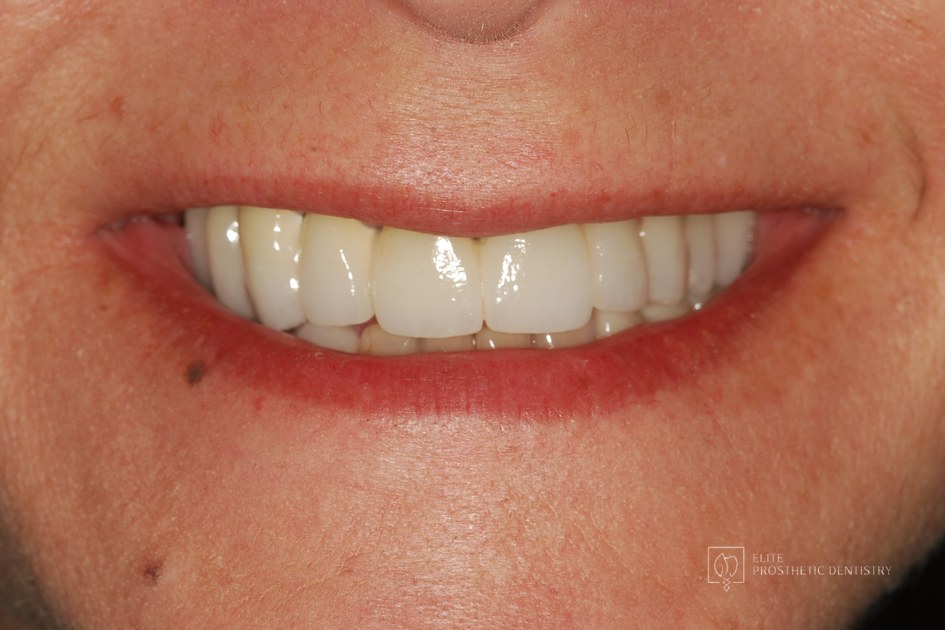
Endosteal, subperiosteal, zygomatic, and mini implants each solve a different problem. A DC prosthodontist explains the four types and who each one fits.
Deciding Who Should Treat You?
Our decision guide for Chevy Chase patients covers a first missing tooth, a tooth that may need extraction, several missing teeth, full mouth reconstruction and aging crowns and bridges, and when another setting may serve you better.
Read the Chevy Chase decision guide →Our Services in Chevy Chase
Beyond Dental Implants, Chevy Chase patients rely on Dr. Marlin for a full range of advanced dental care.
More services available in Chevy Chase:
Dental Implants Near Chevy Chase
Dr. Marlin also provides dental implants services for patients in these neighboring communities.
Getting Here from Chevy Chase
Elite Prosthetic Dentistry is conveniently located near Chevy Chase, MD.
One stop on the Metro Red Line from Friendship Heights station, which is directly adjacent to our office building.
Address:
4400 Jenifer Street NW, Suite 220
Washington, DC 20015
Phone: (202) 244-2101
Request a ConsultationRequest a Specialist Consultation from Chevy Chase
Chevy Chase patients come to Dr. Marlin for care that ranges from a first single implant to full-arch and complex reconstruction. With 4,100+ implants placed over 40+ years, planning, surgical placement and restoration are handled in one practice. No referral is needed.