
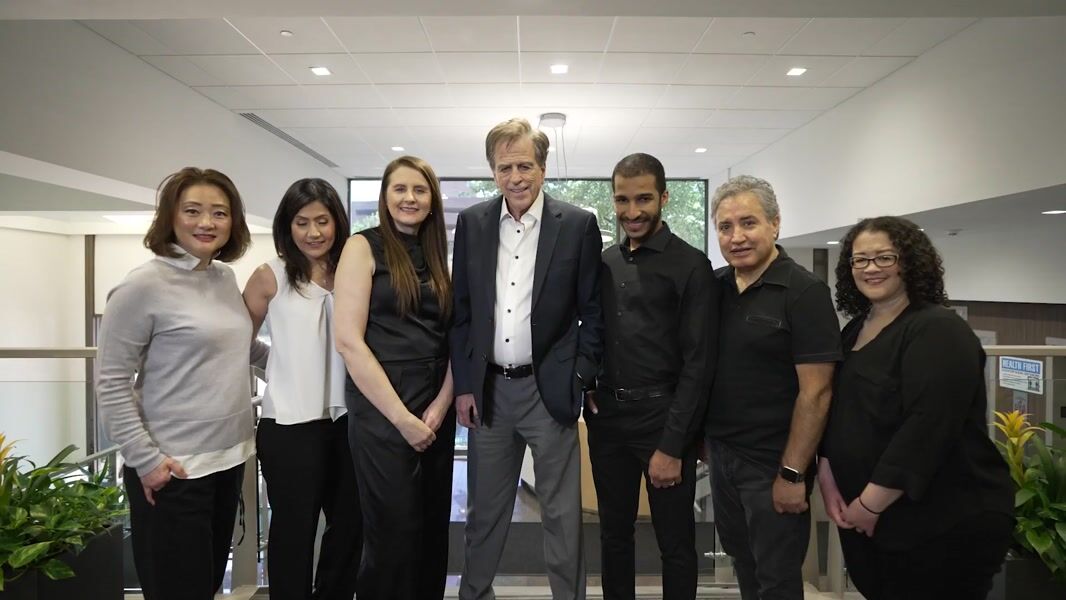
Bone Grafting in Kalorama, DC
Expert bone grafting in Kalorama, DC. Enable successful dental implant placement with bone reconstruction from prosthodontist Dr. Marlin. Schedule today.
Bone Grafting in Kalorama, DC
Bone grafting is a surgical procedure that rebuilds bone in areas where it has been lost or is insufficient. For Kalorama patients, Elite Prosthetic Dentistry offers this care just minutes from your home. For patients with inadequate bone for dental implants, bone grafting creates the foundation necessary for successful implant placement. Understanding bone grafting helps Kalorama residents appreciate why implant treatment sometimes requires preliminary grafting procedures.
Dr. Marlin has extensive experience with bone grafting procedures. We perform grafting in our office and understands the bone biology and technical considerations that determine grafting success.
Why Bone Loss Occurs
Bone loss occurs through several mechanisms. The most common is tooth loss. When a tooth is missing, the bone around it gradually resorbs because there’s no tooth root stimulating the bone to remain. Over months and years, significant bone loss accumulates. A tooth missing for five years might show 50 percent or more bone loss.
Bone loss also occurs from severe gum disease. The inflammation and infection of periodontitis gradually destroy the bone supporting teeth. Advanced periodontal disease can cause extensive bone loss around remaining teeth.
Prior dental trauma or difficult tooth extraction can damage bone. If a tooth is extracted with excessive force or if extraction wounds heal poorly, bone loss might result. Developmental variations also affect bone availability. Some people have naturally thinner bone or less bone volume in certain areas.
Bone loss represents a serious problem not just for implants, but for remaining teeth. Teeth lose bone support, become mobile, and eventually fail. Rebuilding bone volume helps preserve remaining teeth and creates the foundation for implant restoration.
The Role of Bone in Implant Success
Dental implants are threaded posts made of titanium or other biocompatible material that are surgically placed into jaw bone. The implant relies entirely on bone for support. For implants to integrate successfully and remain stable long-term, adequate bone volume and good bone quality are essential.
Implants placed in insufficient bone are unstable, painful, and likely to fail. Bone grafting solves this problem by rebuilding bone volume before implant placement. Once adequate bone exists, implant integration can occur successfully.
Assessment of Bone Volume
our team at Elite Prosthetic Dentistry uses advanced imaging to assess bone volume. Cone beam computed tomography (CBCT) provides detailed three-dimensional information about bone dimensions in areas where implants are planned. We can measure bone height, width, and density precisely. This assessment determines whether bone grafting is necessary and, if so, how extensive grafting should be.
Sometimes only limited grafting is needed in specific areas. Other cases require extensive grafting of larger areas. our practice’s assessment guides the extent and type of grafting recommended.
Bone Grafting Materials
Several materials can be used for bone grafting. Autogenous bone, harvested from your own body, is considered the gold standard because your own bone has superior biological properties. It contains living cells and growth factors that promote bone formation. However, harvesting requires a second surgical site.
Allograft bone comes from a tissue bank, typically from human donors. It’s processed and sterilized, eliminating disease transmission risk. Allograft lacks living cells but retains structural characteristics and some biological activity.
Xenograft bone comes from animals, typically bovine. It’s highly processed and sterilized. Like allograft, it provides structural support without living cells.
Synthetic bone substitutes are manufactured materials designed to mimic natural bone structure. They’re gradually replaced by your body’s new bone formation over time.
our team at Elite Prosthetic Dentistry selects the optimal material for each situation based on graft extent, bone quality needed, and individual factors. All materials can achieve excellent results when used appropriately.
The Bone Grafting Procedure
Bone grafting is performed under local anesthesia, sometimes with sedation if desired. our specialty-trained team creates an incision exposing the bone defect. The graft material is carefully positioned in areas where bone is lacking. Sometimes the graft is held in place with special membranes or surgical plates. The incision is closed with sutures.
The procedure typically takes 30 to 90 minutes depending on graft extent. You return home the same day. Some swelling and discomfort is expected for the first few days. Most people resume normal activities within one to two weeks.
Bone Integration and Healing Timeline
After bone grafting, your body’s healing process creates new bone. The graft material serves as a scaffold for new bone formation. Living bone cells gradually replace the graft material or integrate with it, creating strong functional bone.
This integration process typically requires 4 to 6 months. During this time, the graft progressively becomes stronger as integration occurs. Follow-up imaging at appropriate intervals confirms bone healing progress. Once bone integration is complete, Dr. Marlin can place dental implants with confidence.
Implant Placement After Bone Grafting
Once bone grafting is complete and bone has integrated, dental implants are placed. The implant is positioned in the newly grafted bone. The implant then undergoes its own integration process, typically requiring 3 to 6 months before the implant is fully stable.
After implant integration, the implant is restored with a crown, bridge, or other prosthetic restoration. The complete timeline from initial bone grafting to finished implant crown typically spans 8 to 12 months.
Post-Operative Care After Bone Grafting
Post-operative care is crucial for successful bone integration. You’ll receive detailed instructions about managing pain, avoiding infection, protecting the graft site, and supporting healing.
For the first couple of weeks, swelling and discomfort are normal. Ice and pain medication help manage symptoms. Avoid strenuous exercise and heavy lifting. Avoid smoking completely because smoking significantly impairs bone healing. Be gentle with the surgical area and avoid dislodging the graft.
our practice schedules post-operative visits to monitor your healing. If any complications arise, they’re addressed quickly. Most patients heal successfully and are ready for implant placement on schedule.
Bone Grafting Outcomes and Success Rates
Bone grafting has high success rates when performed properly. Studies show 85 to 90 percent success rates for various grafting materials and techniques. Success rates depend on graft material selected, extent of grafting, patient compliance with post-operative instructions, and individual healing factors.
our practice’s extensive experience contributes to high success rates. our careful assessment, material selection, surgical technique, and post-operative management optimize outcomes.
Kalorama Residents and Implant Restoration
Many Kalorama residents who’ve been missing teeth have finally pursued implant restoration after learning that bone grafting can make it possible. Rather than resigning themselves to dentures or living with gaps, they’ve invested in bone grafting to enable implant restoration.
Implants function like natural teeth, preserving bone and providing stability that dentures cannot match. For Kalorama professionals, implants restore appearance and confidence while preserving oral health.
Discretion and Professional Context
our specialty-trained team understands that Kalorama residents value complete discretion. Bone grafting and subsequent implant placement can be phased strategically. We work within the professional and diplomatic contexts that matter to you. Recovery is managed discreetly, and treatment doesn’t disrupt your professional responsibilities or public presence.
Related Resources
- Learn more about bone grafting procedures
- Bone Preservation for Implants
- Explore full-mouth dental implants
- View all locations we serve
- Browse real patient case studies
- Patient education resources
- What our patients say
- Learn more: why bone preservation matters
- View our smile gallery
Getting Here from Kalorama
Our office is conveniently located at 4400 Jenifer Street NW, Suite 220, Washington, DC 20015. From Kalorama, drive northwest on Massachusetts Avenue NW through Embassy Row toward our Friendship Heights office, approximately 15 minutes depending on traffic. Parking is available at our office building.
Schedule Your Bone Grafting Consultation
If you’re missing teeth and have been told you don’t have adequate bone for implants, bone grafting might make implant restoration possible. Schedule your consultation with Dr. Marlin today. He’ll assess your bone, discuss grafting options, and explain what implant restoration could offer you.
Call (202) 244-2101 to schedule your appointment or request an appointment online. Don’t let bone loss prevent you from having the tooth replacement you deserve. Dr. Marlin and our team have helped numerous Kalorama residents successfully restore missing teeth through bone grafting and implant restoration.
Explore bone grafting options to learn more about how bone grafting enables implant restoration for patients with inadequate bone.
Frequently Asked Questions
Why is bone grafting necessary before dental implants in Kalorama?
Dental implants are anchored into jaw bone. They require adequate bone volume and density to integrate successfully. When a tooth is missing, bone around it gradually resorbs over time. If a tooth has been missing for months or years, significant bone resorption occurs. Additionally, bone loss can occur from severe gum disease, prior tooth extraction trauma, or developmental variations. If bone volume is inadequate, an implant wouldn't have sufficient foundation and could fail. Bone grafting rebuilds bone volume, creating the foundation necessary for successful implant placement. Dr. Marlin assesses whether grafting is necessary based on imaging and examination.
What bone grafting materials does Dr. Marlin use?
Bone grafting can use autogenous bone harvested from your own body, allograft bone from a tissue bank, xenograft bone from animals (typically bovine), or synthetic bone substitute materials. Autogenous bone is considered the gold standard because it's your own tissue with superior integration characteristics. However, harvesting your own bone requires a second surgical site. For many patients, allograft, xenograft, or synthetic materials provide excellent results with less surgical complexity. Dr. Marlin discusses the options and recommends the material that makes most sense for your situation. The choice depends on the amount of bone needed, extent of grafting, and your preferences.
How long does bone grafting take, and when can implants be placed?
The bone grafting procedure itself typically takes 30 to 90 minutes depending on graft extent and complexity. You can expect some swelling and discomfort for several days after. Bone typically requires 4 to 6 months to integrate and become strong enough for implant placement. During this time, the graft fuses with your existing bone, creating a solid foundation. After bone grafting is complete and integrated, Dr. Marlin places the dental implant. The implant then requires another 3 to 6 months of integration before the crown can be fabricated. Total timeline from grafting to completed implant crown is typically 8 to 12 months depending on bone integration speed and specific clinical variables.
What post-operative care is required after bone grafting in Kalorama?
After bone grafting, you'll experience some swelling, discomfort, and possibly bruising for the first few days. Pain management typically involves over-the-counter medications for mild discomfort. You might need to take antibiotics to prevent infection. For the first couple of weeks, avoid strenuous exercise and heavy lifting. Avoid smoking completely because smoking significantly impairs bone healing. Be gentle with the surgical site and avoid disturbing the graft. Follow Dr. Marlin's specific post-operative instructions carefully. Most people return to normal activities within one to two weeks, though complete bone integration takes months. Dr. Marlin schedules post-operative visits to monitor healing.
Does bone grafting hurt, and what pain management is provided?
Bone grafting is performed under local anesthesia, so you shouldn't feel pain during the procedure itself. You might feel pressure or vibration, but pain is prevented. After the local anesthetic wears off, some discomfort is normal. Most patients describe it as mild to moderate soreness rather than severe pain. Dr. Marlin can provide pain medication if needed. Over-the-counter pain relievers typically manage post-operative discomfort adequately. Swelling often peaks around day two or three and then improves. Most patients report that discomfort is manageable and completely resolves within one to two weeks.
Related Case Studies
Explore similar cases demonstrating our expertise in advanced prosthetic dentistry.
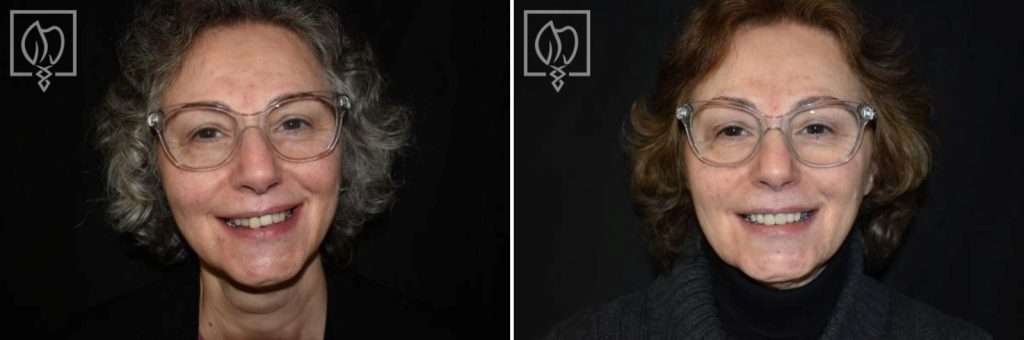 Complex
 Temporary Crowns Restore Patient's Smile in Just One Day with an Immediate Smile Makeover
Her dental implant looked artificial in her mouth and was impacting her smile. She had been very unhappy with her unsightly smile line and was beco...
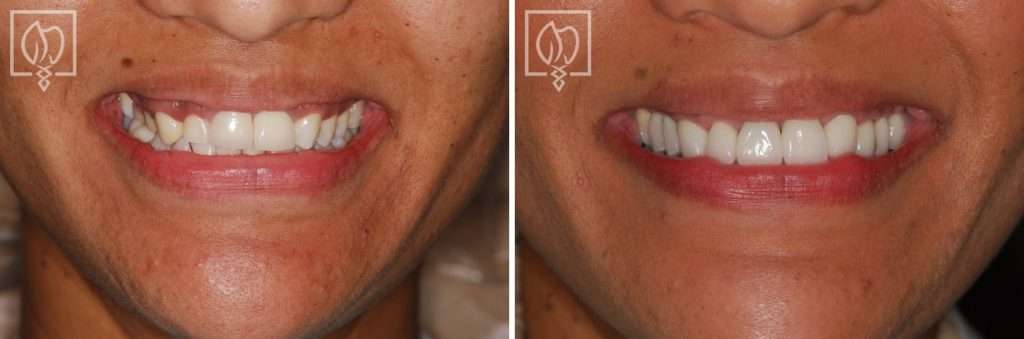 Complex
 Multi-Faceted Treatment for Patient Unhappy With Her Artificial-Looking Crowns, Teeth and Gums
Many patients come to Elite Prosthetic Dentistry unhappy with the appearance of their smile. A particular patient who sought our help was very unha...
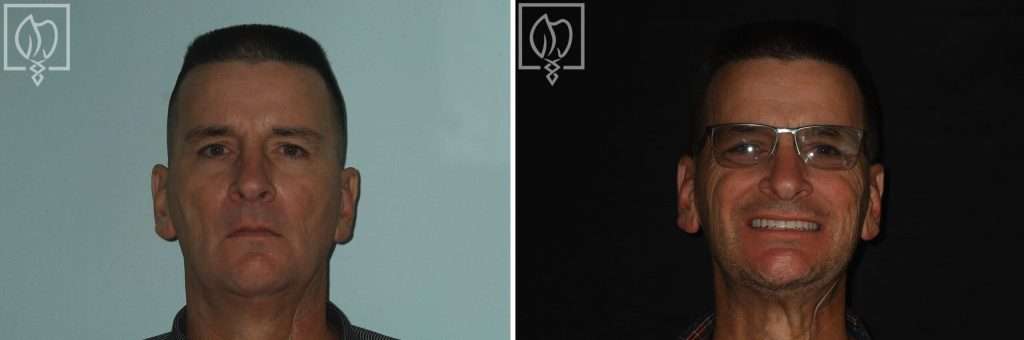 Standard
 Treating Kevin’s Collapsed Bite with a Complete Smile Makeover with New Dentures
Kevin came to us very dissatisfied with his existing condition. He looked much older than his age because his bite was collapsed and no one could r...
Related Articles
Deepen your knowledge with additional insights on this topic.
Rejuvenating a Ruined Implant Site Having Severely Damaged Bone
Even after a failed implant and significant bone loss, it is often possible to rebuild the ridge and restore a healthy foundation for a new implant.
If a Single Front Tooth is Replaced with an Implant, can it Look Natural?
A single front tooth implant can look completely natural with precision placement, custom abutments, and hand-crafted porcelain crowns. Washington, DC.
What is Precision Implant Placement (PIP)?
Learn what Precision Implant Placement (PIP) is and how meticulous planning ensures optimal implant positioning for long-lasting results in Washington, DC.
Getting Here from Kalorama
Elite Prosthetic Dentistry is conveniently located near Kalorama, DC.
Drive northwest on Massachusetts Avenue NW through Embassy Row to our Friendship Heights office.
Address:
4400 Jenifer Street NW, Suite 220
Washington, DC 20015
Phone: (202) 244-2101
Schedule ConsultationSchedule Your Consultation from Kalorama
Kalorama residents trust Dr. Gerald Marlin for precision dental care. With 3,900+ implants placed and 40+ years of experience, your smile is in expert hands.