
Bone Grafting for Dental Implants in Georgetown, DC
Expert bone grafting to prepare for dental implants in Georgetown, DC. Dr. Marlin specializes in regenerative procedures for implant success.
Bone Grafting for Dental Implants in Georgetown, DC
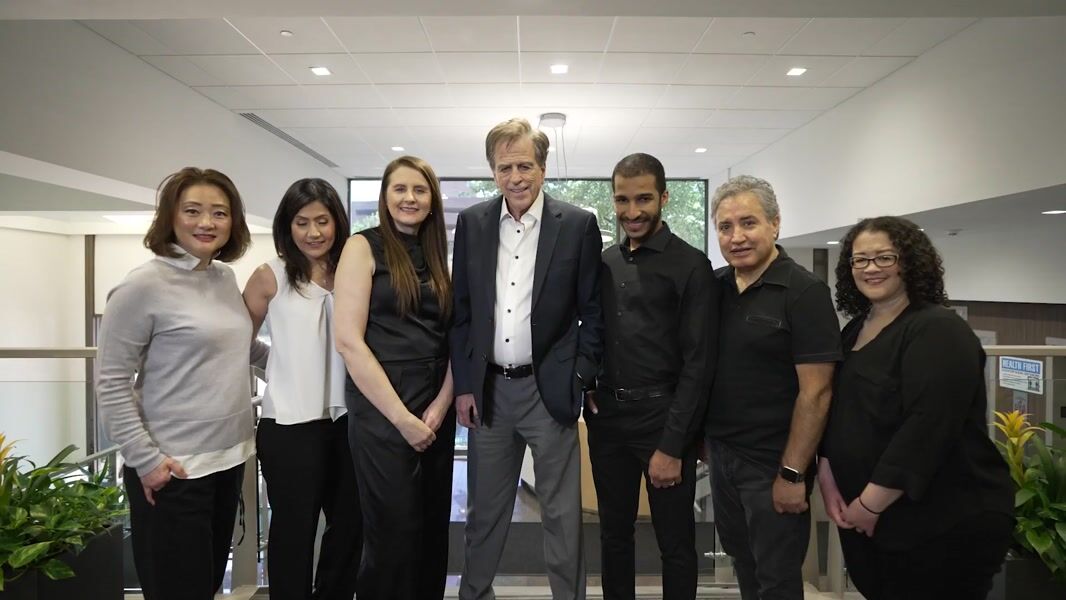
Georgetown residents seeking expert dental care choose Dr. Gerald Marlin at Elite Prosthetic Dentistry. Bone grafting is a surgical procedure that restores jaw bone in areas where bone loss has occurred. When teeth are missing or have been extracted, the underlying bone gradually deteriorates because it no longer has a function to support. This bone loss complicates implant placement by reducing available bone volume. Bone grafting rebuilds bone, restoring the foundation necessary for successful implant placement.
For Georgetown professionals who’ve lost teeth years ago and experienced progressive bone loss, bone grafting enables implant restoration that would otherwise be impossible. The procedure is a gateway to comprehensive tooth replacement and smile restoration. our team at Elite Prosthetic Dentistry’s expertise in surgical bone restoration and implant dentistry makes him uniquely qualified to manage bone grafting cases in Georgetown.
Understanding Bone Loss
Bone loss occurs predictably after tooth extraction. The bone that surrounds and supports teeth has a singular function: holding teeth in place. Once a tooth is removed, that bone no longer has a functional purpose. The body responds to this loss of function by allowing the bone to resorb, a process that occurs naturally to eliminate unnecessary bone.
This bone loss is significant. Studies show that jaw bone can lose up to 25 percent of its width within the first year after tooth extraction. This loss continues progressively over subsequent years, though at a slower rate. A patient who lost teeth 10 years ago might have lost 30 to 50 percent of jaw bone in that area.
This bone loss has multiple consequences. Functionally, it complicates implant placement by reducing available bone to support implants. A patient might lack sufficient bone to place an implant in the ideal location. Bone loss also affects appearance. Your jaw outline changes subtly as bone beneath the skin resorbs. Your face can appear older and narrower than it did when teeth and supporting bone remained.
For these reasons, addressing tooth loss promptly matters. The sooner you replace missing teeth, ideally with implants that stimulate bone, the less bone loss occurs. Waiting years compounds the problem.
When Bone Grafting Becomes Necessary
Bone grafting becomes necessary when tooth loss has occurred and sufficient bone remains unavailable to support dental implants in ideal locations. our specialty-trained team evaluates bone quantity using radiographs and advanced imaging. We assess not just bone height but bone width, critical for implant success.
Some patients have sufficient bone and don’t need grafting. Others have lost extensive bone and require grafting in all extraction sites. Many patients fall in the middle, requiring grafting in some areas but not others. The extent of bone loss determines whether grafting is necessary.
Severe bone loss might require extensive grafting procedures. Moderate bone loss might require smaller, more localized grafting. Elite Prosthetic Dentistry evaluates your specific anatomy and designs a grafting plan tailored to your situation.
The Science of Bone Grafting
Modern bone grafting relies on understanding bone biology and graft materials. Bone has the capacity to regenerate and remodel, but regeneration requires appropriate scaffolding and biological signals. Bone graft material provides the scaffold, while growth factors within the graft and your own biology provide the signals.
The ideal bone graft contains living bone cells and growth factors that accelerate healing. It provides immediate mechanical support and biological signals that promote new bone formation. It integrates with existing bone over time, becoming living bone capable of supporting implants.
Different graft materials achieve these goals with varying effectiveness. Autogenous bone, harvested from your own body, is considered the gold standard because it contains all the necessary biological components. Other materials provide scaffolding and some growth factors but lack living bone cells. The choice of material affects healing time and success rates.
Bone Graft Materials and Options
Autogenous bone, harvested from your own jaw or chin, is ideal for bone grafting. This bone contains living bone cells, growth factors, and an organic matrix that all work synergistically to promote rapid healing. Healing is typically faster with autogenous bone than other materials. However, harvesting bone requires an additional surgical procedure, prolonging your surgery and potentially increasing discomfort.
Allograft bone is harvested from human cadaver sources and processed through sterilization and decellularization. The resulting material contains bone matrix and residual growth factors but lacks living bone cells. It’s incorporated more slowly than autogenous bone but still reliably generates new bone. Cost is typically lower than autogenous bone.
Xenograft bone is harvested from animal sources, typically bovine. It’s processed to remove cellular material, leaving behind mineral and organic matrix. This material is incorporated slowly, gradually being replaced with your own bone. Xenograft is useful for smaller grafting needs.
Synthetic bone substitutes are engineered from hydroxyapatite or other biocompatible materials. They provide a mineral scaffold and are incorporated by new bone forming around and through the material. Synthetic materials lack biological factors present in natural bone grafts, so healing might be slower.
our practice recommends the optimal material for your specific situation. For extensive grafting where rapid incorporation matters, autogenous bone might be preferable. For smaller grafts, allograft or xenograft might be sufficient. Cost considerations might favor some materials over others.
The Bone Grafting Procedure
Bone grafting is a surgical procedure requiring careful planning and execution. Elite Prosthetic Dentistry begins by evaluating bone anatomy, determining where grafting is needed and how much material is required. We plan the procedure to optimize bone integration and set the stage for successful implant placement.
During the procedure, our team at Elite Prosthetic Dentistry accesses the area needing grafting through a small surgical incision, typically inside your mouth where it won’t be visible. We carefully places graft material in the area of bone loss, sometimes securing it with small screws or membranes to maintain position while new bone incorporates.
If autogenous bone is needed, Dr. Marlin harvests bone from a donor site, typically your chin or the ramus of your lower jaw. This harvest site heals normally with no long-term consequences. The harvested bone is then placed in the recipient site where grafting is needed.
The procedure is performed under sedation so you remain comfortable throughout. Post-operative pain is manageable with prescribed medication. Most patients experience mild to moderate discomfort for a few days, then gradual resolution.
Healing and Implant Placement Timing
After bone grafting, a healing period is necessary before implants can be placed. This allows the graft to incorporate with your existing bone, becoming living bone capable of supporting implants.
Healing time varies depending on graft material and extent of grafting. Autogenous bone grafts typically require 4 to 6 months of healing. Allograft and xenograft materials might require 6 to 12 months. Synthetic materials healing varies based on material properties and graft size.
This timeline might seem extended, but it’s biologically necessary. Placing implants before complete healing compromises success. The implant must integrate with bone that’s fully healed and capable of supporting it. Patience during healing ensures long-term implant success.
During healing, you resume normal function. You eat normally, speak normally, and live normally. The graft heals beneath your soft tissues without restriction. Some patients maintain excellent comfort and function during the healing phase.
Bone Grafting for Georgetown Professionals
Georgetown professionals who’ve lived with missing teeth or uncomfortable dentures often worry that implant replacement is impossible. Bone grafting frequently makes implants achievable when they seemed impossible. This opens the door to smile restoration and functional tooth replacement.
Some Georgetown professionals lost teeth decades ago and have adapted to missing teeth or removable prosthetics. They’ve essentially forgotten what natural function felt like. Implants, enabled by bone grafting, can restore normal eating, speaking, and appearance that they haven’t experienced in years.
The investment in bone grafting is substantial, both financially and in terms of time commitment. However, the payoff is comprehensive tooth replacement and restored smile confidence. Many Georgetown patients find that this investment was among the best they’ve made.
Advanced Imaging for Bone Grafting
our practice uses advanced imaging when planning bone grafting. Cone beam computed tomography provides detailed three-dimensional visualization of your jaw bone, showing exactly where bone loss has occurred and how much bone is present. This detailed imaging allows precise planning of graft placement and volume.
This imaging precision means Elite Prosthetic Dentistry can predict bone grafting success with confidence. We know exactly how much graft material is needed and precisely where it should be placed. This precision translates to better outcomes and fewer complications.
Cost Considerations for Bone Grafting
Bone grafting adds cost to your treatment plan, and pricing varies significantly based on the graft materials selected, the extent of grafting required, and the complexity of your specific case. Elite Prosthetic Dentistry provides transparent cost discussions during your consultation so you understand your investment before beginning treatment.
Insurance coverage for bone grafting varies. Some plans cover a portion of grafting costs when it’s necessary for implant placement. Others don’t cover it at all. our prosthodontic team’s office will verify your coverage and explain your financial responsibility.
The practice offers flexible payment options to help make bone grafting services accessible. While bone grafting represents a meaningful investment, it often enables implant restoration that would otherwise be impossible. Many patients view it as essential investment in tooth replacement and smile restoration.
Successful Outcomes and Predictability
Bone grafting success rates are excellent when performed by experienced prosthodontists. Elite Prosthetic Dentistry’s experience with thousands of implant cases means he’s managed countless bone grafting scenarios. We understand what materials work best for specific situations, optimal timing for implant placement, and surgical techniques that maximize bone incorporation.
Successful bone grafts become living bone that supports implants for decades. Your implants function normally on grafted bone. You’ll have no awareness that the bone supporting your implants was grafted; it functions identically to original bone.
Alternatives to Bone Grafting
In some situations, alternatives to bone grafting exist. Implants can sometimes be placed at angles that maximize available bone. Shorter implants might be placed in limited bone volume. Zygomatic implants, placed in the cheekbone rather than jaw, bypass the need for grafting in severe jawbone loss.
These alternatives aren’t always applicable. Your specific anatomy determines what’s feasible. Elite Prosthetic Dentistry evaluates your situation and recommends the best approach, whether that’s bone grafting enabling traditional implants or alternative implant positioning.
Your Bone Grafting Decision
If you have significant bone loss from previous tooth extraction and are interested in implant restoration, bone grafting might be necessary. The first step is a consultation where Dr. Marlin evaluates your bone anatomy, discusses your goals, and explains whether grafting is necessary.
Call (202) 244-2101 to schedule your bone grafting consultation. You can also request an appointment online. The office is located at 4400 Jenifer Street NW, Suite 220, Washington, DC 20015, approximately 12 minutes north of Georgetown via Wisconsin Avenue NW.
Bone loss doesn’t eliminate the possibility of implant restoration. With advanced bone grafting, comprehensive tooth replacement is often achievable. Learn more about bone grafting procedures to understand whether grafting might enable your implant restoration.
Related Resources
Frequently Asked Questions
What happens to jaw bone when teeth are missing?
When a tooth is lost, the bone that surrounded and supported it begins to resorb (break down) because it no longer has a function to maintain. This bone loss accelerates immediately after tooth loss and continues progressively over months and years. Within the first year after tooth loss, the jaw can lose up to 25 percent of its bone width. This bone resorption changes your facial appearance, making your face look older and narrower. It also complicates dental implant placement because implants require adequate bone to integrate successfully. This is why addressing tooth loss promptly matters; waiting years allows extensive bone loss that complicates reconstruction.
Can I get a dental implant without bone grafting?
Many implants can be placed without bone grafting if adequate bone exists. During evaluation, Dr. Marlin assesses bone quantity and density using radiographs and sometimes advanced imaging. If bone volume is sufficient, implants can be placed directly. However, if bone loss has been extensive, grafting is necessary before implants can be placed reliably. The extent of bone loss determines whether grafting is needed. Some patients need grafting in one area but not another. Dr. Marlin evaluates your specific anatomy and determines whether grafting is necessary.
What bone is used for grafting in your practice?
Several bone graft options exist, each with advantages and limitations. Autogenous bone, harvested from your own body, is the gold standard because it contains living bone cells and growth factors that accelerate healing. We harvest autogenous bone from your chin or jaw. Allograft bone comes from cadaver sources and is processed and sterilized. It's bone matrix without living cells but still contains growth factors. Xenograft bone comes from animal sources, typically bovine, and provides a mineral matrix that guides new bone formation. Synthetic bone substitutes are engineered materials that provide a scaffold for bone formation. Dr. Marlin recommends the optimal graft material for your specific situation.
How long does bone grafting take to heal before implants can be placed?
Healing time for bone grafting varies depending on graft type and extent of grafting. Autogenous bone grafts typically require 4 to 6 months of healing before implants can be placed. Allograft and xenograft materials might require 6 to 12 months. During this healing period, the graft incorporates with your existing bone, becoming living bone capable of supporting an implant. This timeline might seem extended, but rushing bone grafting by placing implants before complete healing compromises success. Patience during the healing phase ensures implant success long-term.
Is bone grafting for implants painful or disfiguring?
Bone grafting involves surgical procedures that can be uncomfortable during the immediate post-operative period. However, Dr. Marlin uses sedation during surgery so you don't experience discomfort during the procedure itself. Post-operative discomfort is typically manageable with prescribed medication. Some swelling and bruising occurs temporarily but resolves within days to weeks. If autogenous bone is harvested from your chin, there's a small surgical incision inside your mouth that's not visible. The bone graft site is also inside your mouth, not visible externally. Bone grafting procedures don't result in visible disfigurement or permanent changes to your appearance.
Related Case Studies
Explore similar cases demonstrating our expertise in advanced prosthetic dentistry.
 Complex
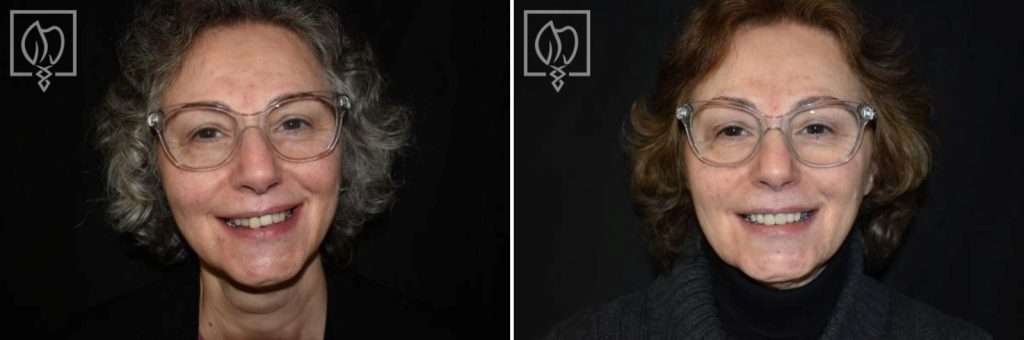
 Temporary Crowns Restore Patient's Smile in Just One Day with an Immediate Smile Makeover
Her dental implant looked artificial in her mouth and was impacting her smile. She had been very unhappy with her unsightly smile line and was beco...
 Complex
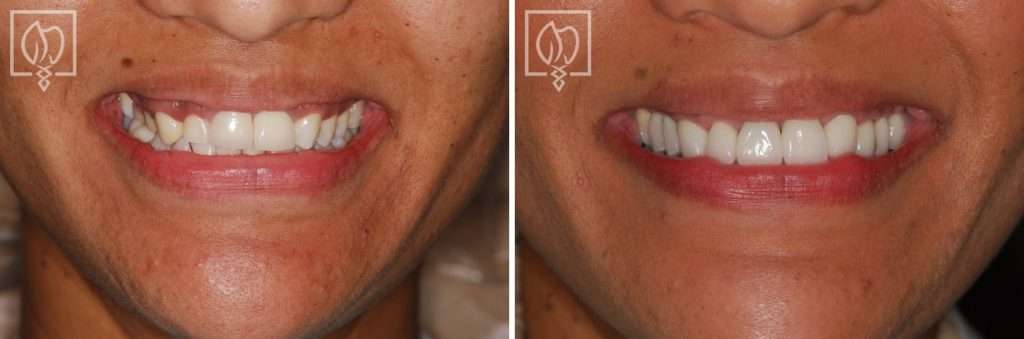
 Multi-Faceted Treatment for Patient Unhappy With Her Artificial-Looking Crowns, Teeth and Gums
Many patients come to Elite Prosthetic Dentistry unhappy with the appearance of their smile. A particular patient who sought our help was very unha...
 Standard
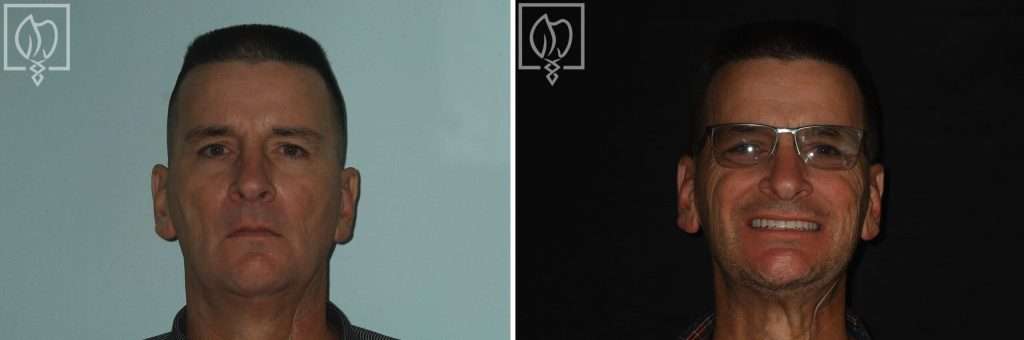
 Treating Kevin’s Collapsed Bite with a Complete Smile Makeover with New Dentures
Kevin came to us very dissatisfied with his existing condition. He looked much older than his age because his bite was collapsed and no one could r...
Related Articles
Deepen your knowledge with additional insights on this topic.
Rejuvenating a Ruined Implant Site Having Severely Damaged Bone
Even after a failed implant and significant bone loss, it is often possible to rebuild the ridge and restore a healthy foundation for a new implant.
If a Single Front Tooth is Replaced with an Implant, can it Look Natural?
A single front tooth implant can look completely natural with precision placement, custom abutments, and hand-crafted porcelain crowns. Washington, DC.
What is Precision Implant Placement (PIP)?
Learn what Precision Implant Placement (PIP) is and how meticulous planning ensures optimal implant positioning for long-lasting results in Washington, DC.
Getting Here from Georgetown
Elite Prosthetic Dentistry is conveniently located near Georgetown, DC.
Straight drive north on Wisconsin Avenue from Georgetown. No highway needed.
Address:
4400 Jenifer Street NW, Suite 220
Washington, DC 20015
Phone: (202) 244-2101
Schedule ConsultationSchedule Your Consultation from Georgetown
Georgetown residents trust Dr. Gerald Marlin for precision dental care. With 3,900+ implants placed and 40+ years of experience, your smile is in expert hands.