
Dental Bone Grafting in Chevy Chase, MD
Expert bone grafting in Chevy Chase, MD by Dr. Gerald Marlin. Surgical bone reconstruction for implant support and advanced prosthodontic rehabilitation.
Dental Bone Grafting in Chevy Chase, MD
Dental Bone Grafting in Chevy Chase: Rebuilding the Foundation for Dental Implants
Advanced tooth loss creates a cascade of biological consequences extending far beyond the missing teeth themselves. When teeth are lost, the surrounding bone, no longer stimulated by tooth roots, begins a gradual resorption process that dramatically diminishes bone volume over months and years. For Chevy Chase patients with significant tooth loss, this bone resorption often renders their remaining bone insufficient to support dental implants. Dental bone grafting solves this problem, surgically rebuilding bone structure to create adequate support for dental implants. Dr. Gerald Marlin’s extensive experience with bone grafting procedures, refined over four decades of prosthodontic practice, enables him to reconstruct even severely compromised bone anatomy.
Bone grafting represents an advanced surgical technique that distinguishes sophisticated prosthodontic rehabilitation from simpler restorative dentistry. Rather than accepting bone deficiency as a limiting factor, skilled prosthodontists like our practice use bone grafting to optimize conditions for implant success. This surgical reconstruction allows patients with severe bone loss to achieve implant-supported restorations that would otherwise be impossible.
Understanding Bone Loss Following Tooth Loss
The human jaw exists as a dynamic biological system. Tooth roots, embedded in bone, transmit forces during chewing that stimulate bone maintenance and remodeling. When a tooth is lost, this stimulus disappears. The body responds by gradually resorbing the bone, reducing it to conserve biological resources. This resorption accelerates during the first year after tooth loss, then continues at a slower rate indefinitely. By five years after tooth loss, significant bone volume has been lost. Ten years after extensive tooth loss, bone resorption may be so severe that implant placement becomes anatomically impossible.
This resorption creates multiple problems for implant therapy. Insufficient bone volume means implants cannot be placed in positions that distribute forces optimally. Vertical bone loss creates a thin, weak foundation prone to implant failure. Horizontal bone loss makes implant surfaces exposed to oral environment, inviting bacterial colonization and peri-implantitis. These complications explain why bone grafting before implant placement improves long-term success dramatically.
For Chevy Chase patients considering implant restoration after years of tooth loss, bone grafting often becomes essential for creating conditions supporting successful implant integration and function.
Evaluating Your Bone Structure
Before bone grafting recommendations can be made, our prosthodontic team carefully evaluates your bone anatomy through clinical examination and advanced imaging. We palpate your jaw, assessing bone width and height in the areas where implants would be positioned. We review cone beam computed tomography scans that provide three-dimensional visualization of your bone structure, allowing precise assessment of available bone volume and identification of anatomical structures like the inferior alveolar nerve that must be avoided during surgical procedures.
This comprehensive evaluation determines whether your bone is adequate for direct implant placement or whether grafting would optimize your results. Sometimes surprisingly, patients with significant tooth loss retain adequate bone, while others with fewer missing teeth have experienced more dramatic resorption due to individual factors like periodontal disease or systemic conditions affecting bone metabolism.
Bone Graft Material Options
Bone grafting materials come from several sources, each with distinct advantages and clinical applications. Autogenous bone, harvested from your own jaw or body, represents the gold standard for bone grafting. Your own bone contains living cells that contribute to new bone formation, creating superior healing compared to other materials. However, autogenous bone requires surgical harvesting from another site, extending operative time and creating additional surgical trauma.
Allograft bone, derived from processed cadaverous bone from tissue banks, provides excellent osteoconductivity without requiring harvesting. The processing removes cellular material, eliminating immunological concerns while retaining the mineral matrix structure that guides new bone formation. Allograft works exceptionally well for clinical applications and has been used safely for decades.
Xenograft bone, derived from animal sources like bovine bone, also provides osteoconductive properties supporting new bone formation. These materials are well-established, reliable, and widely utilized in bone grafting procedures.
Synthetic bone substitutes, created from various ceramic and polymer materials, offer the advantage of unlimited supply and predictable composition. Newer synthetic materials increasingly demonstrate bone-inductive properties that actively stimulate bone formation rather than simply providing scaffolding for bone growth.
our team at Elite Prosthetic Dentistry selects grafting materials based on your specific situation, considering factors like graft size, location, and your healing characteristics. Often, he combines materials, using autogenous bone for its superior biological properties with allograft or synthetic materials to augment volume or simplify the surgical procedure.
The Bone Grafting Procedure
Bone grafting procedures involve surgical access to the deficient bone area, careful bone graft material placement, and secure fixation if necessary. our specialty-trained team uses meticulous surgical technique to create an optimal biological environment for graft incorporation. We carefully preserves blood supply to the graft site, positions graft material to maximize surface contact with viable bone, and secures the graft to prevent displacement.
If your bone graft requires autogenous bone harvesting, Elite Prosthetic Dentistry places this harvest site with care, often using areas like your chin or posterior mandible that provide adequate bone while minimizing morbidity to important structures. The harvested bone is sculpted and positioned precisely in the deficient area.
The procedure typically requires 60-90 minutes depending on graft complexity. For Chevy Chase patients apprehensive about surgery, sedation dentistry can be combined with bone grafting, allowing you to sleep comfortably through the procedure.
Post-Operative Healing and Care
Following bone grafting, your jaw requires careful healing to allow the graft to incorporate successfully into your existing bone. You’ll experience post-operative discomfort, manageable with prescribed pain medication. Swelling peaks around days two to three, then gradually improves. You’ll follow specific dietary guidelines, avoiding hard foods and chewing near the graft site for several weeks.
our practice provides detailed post-operative instructions and monitors your healing carefully. Most Chevy Chase patients can return to light activities within several days and resume normal activity within one to two weeks. You’ll attend follow-up appointments allowing Dr. Marlin to assess your healing progress and verify that bone is regenerating appropriately.
Timeline to Implant Placement
After bone grafting, a healing period is necessary before implant placement. This timeline varies depending on graft material and size. Autogenous bone grafts typically require 4-6 months of healing. Allograft or xenograft materials may require 6-9 months as they’re incorporated more slowly. During this healing period, your body’s biological processes incorporate the graft material and generate new bone.
This waiting period can feel lengthy, but it’s essential for creating adequate bone volume to support long-term implant success. Rushing to implant placement before bone adequately heals compromises implant support and increases failure risk. Elite Prosthetic Dentistry monitors your bone regeneration progress, and once imaging confirms adequate new bone formation, he schedules your implant placement procedure.
The Strategic Value of Bone Grafting
Some patients initially view bone grafting as an unwelcome complication adding cost and timeframe to their implant restoration. However, bone grafting should be understood as strategic investment in long-term success. A bone grafting procedure now optimizes conditions for implant success, dramatically increasing the probability your implants will function excellently for 20+ years. Conversely, placing implants in inadequate bone often leads to complications, implant loss, and eventual need for re-treatment.
our prosthodontic team explains the value of bone grafting honestly, helping Chevy Chase patients understand that additional surgical procedures upfront prevent far more extensive problems down the road.
Advanced Techniques: Sinus Augmentation
One specialized bone grafting application addresses upper jaw implant placement. The maxillary sinus, a hollow space above your upper back teeth, often extends downward after posterior teeth are lost, eliminating bone available for implant placement. Sinus augmentation, also called sinus lift, involves elevating the sinus membrane and grafting bone beneath it, creating bone volume where sinus space previously existed.
Sinus augmentation allows our specialty-trained team to place implants in upper back areas that would otherwise lack adequate bone support. This sophisticated technique, performed routinely by experienced prosthodontists, expands implant options for patients with significant upper posterior tooth loss.
Why Chevy Chase Patients Choose Dr. Marlin for Bone Grafting
Bone grafting requires advanced surgical skill, thorough understanding of bone biology, and meticulous attention to detail throughout the procedure and healing phases. our prosthodontic team’s 40+ years of prosthodontic experience, combined with extensive bone grafting practice and over 3,900 implant placements, means your bone grafting receives expert execution. our commitment to optimal long-term outcomes drives decisions about when grafting is necessary and which materials optimize your specific situation.
Our practice location just five minutes from Chevy Chase on Connecticut Avenue NW provides convenient access. Whether you drive or use the Friendship Heights Metro Red Line station adjacent to our building at 4400 Jenifer Street NW, Suite 220, Washington DC, scheduling your bone grafting consultation is effortless.
Your Advanced Implant Future Begins With Consultation
If bone loss has prevented you from considering dental implants, or if you’ve been told implants are impossible due to inadequate bone, Elite Prosthetic Dentistry can likely help. Bone grafting techniques enable implant placement in even severely compromised bone anatomy. Schedule your consultation at (202) 244-2101 or request an appointment to discuss whether bone grafting can unlock the implant-supported restoration you desire.
Your long-term implant success begins with optimal surgical preparation. Let Dr. Marlin evaluate your bone structure and design a bone grafting approach that creates ideal conditions for implant placement and years of excellent function.
From Chevy Chase to Advanced Implant Surgery: Head south on Connecticut Avenue NW from Chevy Chase toward Washington DC. Elite Prosthetic Dentistry is located at 4400 Jenifer Street NW, Suite 220, Washington DC 20015, just five minutes from Chevy Chase. Advanced bone grafting and surgical implant expertise await Chevy Chase patients ready for comprehensive restoration.
Related Resources
Frequently Asked Questions
Where does the bone used for grafting come from?
Bone graft sources include your own bone harvested from other areas of your jaw or body, processed allograft bone from tissue banks, xenograft bone derived from animal sources, or synthetic bone substitute materials. Dr. Marlin selects materials based on your specific clinical situation, considering healing rates and long-term stability. Your own bone offers biological advantages when harvesting is clinically practical.
How long does the bone grafting procedure take?
Bone grafting procedures typically require 60-90 minutes depending on the graft size and complexity. The timeframe depends on whether we're harvesting your own bone from another site and the extent of the graft site preparation. Dr. Marlin discusses the specific timeline for your situation at your consultation.
Will I have significant discomfort following bone grafting?
Post-operative discomfort varies depending on the graft extent. Smaller grafts may produce minimal discomfort managed with standard pain medication. Larger grafts may create more significant soreness for several days. Dr. Marlin prescribes appropriate pain management and provides detailed post-operative instructions. Most Chevy Chase patients manage discomfort well and resume normal activities within a week.
How long does bone graft healing require before implant placement?
Bone graft healing typically requires 4-9 months depending on the graft material and size. During this healing period, your body incorporates the graft material and regenerates new bone. Once adequate bone has regenerated, Dr. Marlin places implants into the strengthened bone structure. This staged approach ensures optimal implant support and long-term success.
Is bone grafting necessary for all patients needing implants?
No. Some Chevy Chase patients have sufficient bone volume to support implants without grafting. Dr. Marlin evaluates your bone structure through clinical examination and imaging. If adequate bone exists, implants can be placed directly without grafting. However, if significant bone loss has occurred, grafting optimizes implant position, size, and support, improving long-term outcomes.
Related Case Studies
Explore similar cases demonstrating our expertise in advanced prosthetic dentistry.
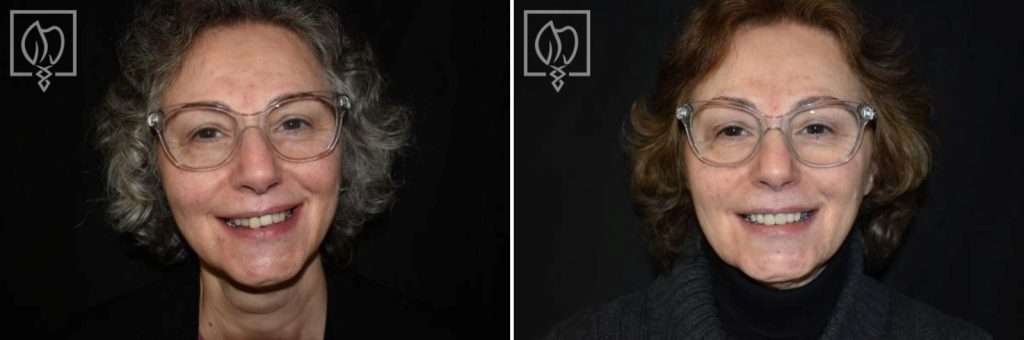 Complex
 Temporary Crowns Restore Patient's Smile in Just One Day with an Immediate Smile Makeover
Her dental implant looked artificial in her mouth and was impacting her smile. She had been very unhappy with her unsightly smile line and was beco...
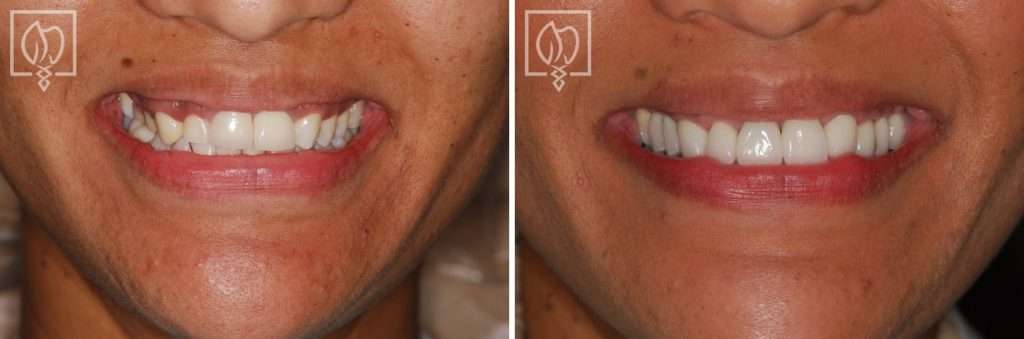 Complex
 Multi-Faceted Treatment for Patient Unhappy With Her Artificial-Looking Crowns, Teeth and Gums
Many patients come to Elite Prosthetic Dentistry unhappy with the appearance of their smile. A particular patient who sought our help was very unha...
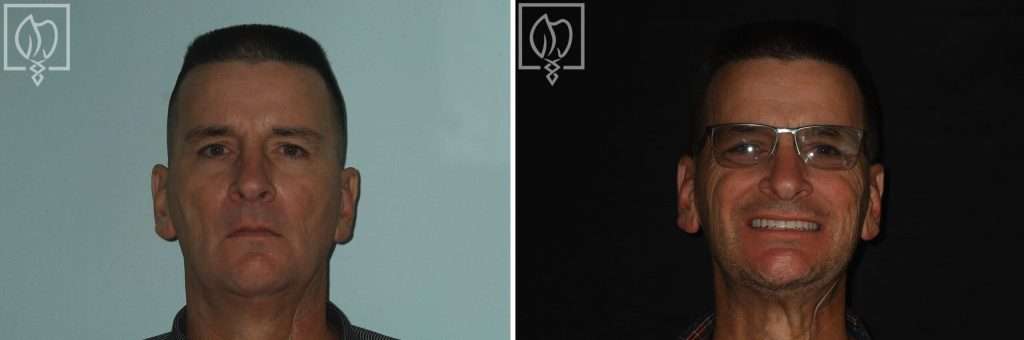 Standard
 Treating Kevin’s Collapsed Bite with a Complete Smile Makeover with New Dentures
Kevin came to us very dissatisfied with his existing condition. He looked much older than his age because his bite was collapsed and no one could r...
Related Articles
Deepen your knowledge with additional insights on this topic.
Rejuvenating a Ruined Implant Site Having Severely Damaged Bone
Even after a failed implant and significant bone loss, it is often possible to rebuild the ridge and restore a healthy foundation for a new implant.
If a Single Front Tooth is Replaced with an Implant, can it Look Natural?
A single front tooth implant can look completely natural with precision placement, custom abutments, and hand-crafted porcelain crowns. Washington, DC.
What is Precision Implant Placement (PIP)?
Learn what Precision Implant Placement (PIP) is and how meticulous planning ensures optimal implant positioning for long-lasting results in Washington, DC.
Getting Here from Chevy Chase
Elite Prosthetic Dentistry is conveniently located near Chevy Chase, MD.
One Metro Red Line stop from Friendship Heights station, adjacent to our building.
Address:
4400 Jenifer Street NW, Suite 220
Washington, DC 20015
Phone: (202) 244-2101
Schedule ConsultationSchedule Your Consultation from Chevy Chase
Chevy Chase residents trust Dr. Gerald Marlin for precision dental care. With 3,900+ implants placed and 40+ years of experience, your smile is in expert hands.