
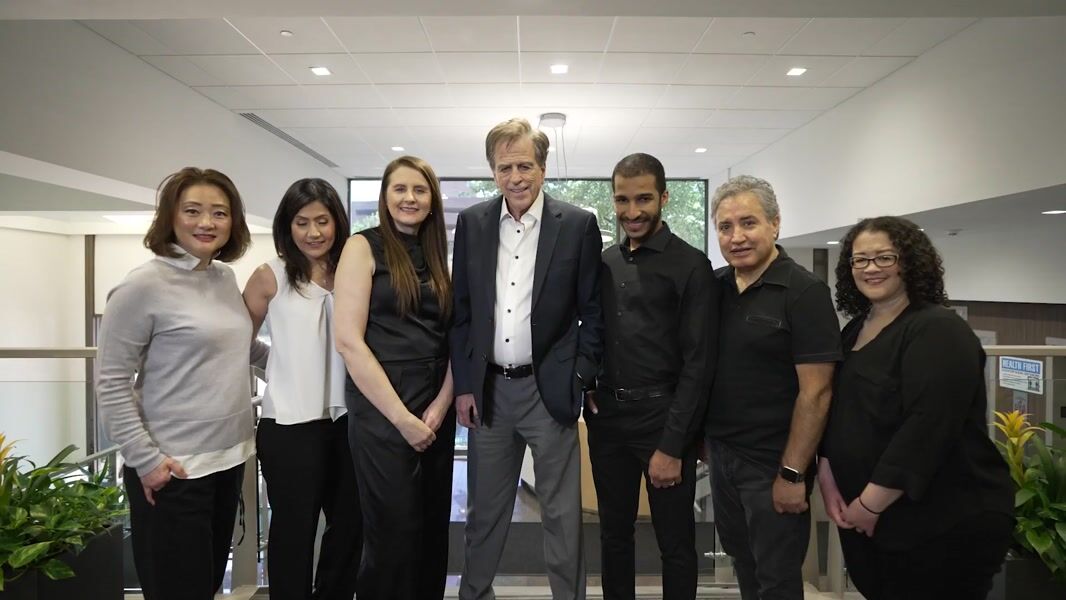
Tooth Extraction Specialists Near Potomac, MD
Tooth extraction specialists near Potomac, MD. Dr. Gerald Marlin provides gentle extractions with bone preservation for future implants.
Tooth Extractions for Potomac, MD Patients
Have you been told a tooth cannot be saved?
When a tooth is severely damaged, infected, or structurally compromised, extraction may be the healthiest option. Elite Prosthetic Dentistry provides carefully planned tooth extractions for Potomac patients with a focus on comfort, safety, and protecting future restorative options. Led by specialty-trained prosthodontist Dr. Gerald Marlin, we understand that extraction is rarely an isolated event. Instead, we view it as one phase of a longer restorative plan that may include bone preservation, healing, and future implant placement.
Schedule a Consultation Contact Our Team
When a Tooth Needs to Be Extracted
Tooth extraction is recommended when a tooth can no longer be predictably restored. This determination rarely comes lightly. Dentists consider whether the tooth can be saved with a crown, root canal, or other restoration before recommending extraction. However, in certain situations extraction is truly the healthiest path forward. A tooth might be severely decayed below the gumline where a crown cannot restore it. A vertical or horizontal fracture might run through the root, making the tooth impossible to save. Advanced infection or a tooth abscess might threaten surrounding structures. Bone loss from gum disease could have compromised the tooth’s foundation beyond repair. Or sometimes a single tooth remains problematic in an otherwise healthy mouth, and removing it improves your overall situation more than trying to save it.
The key principle we follow at our practice is this: extraction should only happen after careful evaluation, and it should be planned as part of your long-term restorative strategy, not viewed in isolation. Many Potomac patients come to us for extractions after receiving a recommendation elsewhere, and we take time to confirm whether extraction truly is the best path. When it is, we proceed thoughtfully, considering bone preservation and future restoration from the very beginning.
Common Reasons Extraction Becomes Necessary
Severe decay that extends below the gumline represents one of the most common reasons for extraction. Decay that has progressed past the level where a crown can create a seal cannot be reliably restored. A restoration that doesn’t seal properly will trap bacteria and lead to failure. In these cases, extraction allows you to move forward with a clean slate.
Vertical or horizontal tooth fractures, particularly those running through the root, cannot be saved. Unlike a crown that can repair a crack in the visible portion of a tooth, a fracture through the root means that fragment will eventually separate, leading to pain and infection. These teeth must be extracted.
Advanced infection or a tooth abscess represents not just a threat to the tooth itself, but potentially to surrounding bone and nearby teeth. Sometimes the infection is so extensive that saving the tooth with a root canal becomes unpredictable, and extraction becomes the safest choice. A tooth abscess can also be quite painful, and patients often find relief once the source of infection is removed.
Bone loss from advanced gum disease can undermine a tooth’s support. If a tooth has lost so much bone that it’s become loose or unstable, or if the remaining bone support cannot hold the tooth long-term, extraction may be the right choice. Keeping a tooth that will eventually fail anyway can sometimes complicate your treatment options later.
Teeth that compromise nearby restorations or that are positioned awkwardly in your mouth sometimes benefit from extraction. If one remaining tooth is causing problems for adjacent teeth or restorations, or if it’s positioned in a way that makes it impossible to clean properly, removal can actually improve your overall oral health.
A Thoughtful Approach to Tooth Removal
For Potomac patients, tooth extraction is never treated as an isolated event at our practice. We view every extraction as part of a larger plan. Planning focuses on minimizing trauma to surrounding bone and tissue, preserving bone structure when possible, and preparing the area for future restoration when you’re ready.
Before recommending extraction, we carefully evaluate whether alternatives exist. Sometimes a root canal can save a tooth. Sometimes an aggressive cleaning and bone graft can save a compromised tooth. We explore these options honestly, telling you when we think a tooth can be saved and when we believe extraction truly is the best path forward.
When extraction is the right choice, we proceed with gentleness and precision. Our techniques minimize trauma to the surrounding bone and soft tissue. In some cases, bone grafting during or shortly after extraction can preserve the bone structure needed for future implant placement. The timing of these procedures, the type of graft material used, and how we handle the extraction site all depend on your specific anatomy and your future restoration plans.
Why Bone Preservation Matters
Many patients underestimate the importance of bone preservation during extraction. After a tooth is removed, the bone that supported it begins to resorb and diminish. Over months and years, significant bone loss can occur. This bone loss makes future implant placement more difficult or impossible, and it can affect your facial appearance and jaw structure.
By planning for bone preservation at the time of extraction, we maintain your options. Whether you want an implant immediately, months later, or years later, preserving bone now makes everything easier. Sometimes we place bone graft material during the extraction. Other times we allow natural healing with careful socket management. The right approach depends on your specific situation.
Types of Extractions We Perform
We handle a wide range of extraction situations. Simple extractions involve teeth that are fully erupted and can be removed relatively straightforwardly. Surgical extractions are required for teeth that are broken, impacted, or buried beneath bone or soft tissue. These cases require more extensive surgical approaches and careful tissue management. Infected tooth removal focuses on safely eliminating a source of chronic infection while protecting surrounding bone and tissue. Planned extractions that are part of a larger restorative treatment are coordinated carefully with your overall timeline. We also handle complex cases like removing failing implants or correcting extractions that were performed improperly elsewhere.
Tooth Extractions for Potomac Patients at Our DC Office
Elite Prosthetic Dentistry serves Potomac patients from our Washington, DC office near Friendship Heights and Chevy Chase, just 15 minutes from Potomac Village. Extractions are coordinated with comprehensive restorative planning so bone, spacing, and timing are all carefully managed. Our specialty-trained approach means extractions are performed with attention to how they’ll affect your future smile and function.
Elite Prosthetic Dentistry 4400 Jenifer Street NW, Suite 220 Washington, DC 20015 (202) 244-2101 concierge@eliteprostheticdentistry.com Request a Consultation Contact & Directions
What to Expect After a Tooth Extraction
Recovery from a tooth extraction unfolds over several phases. Immediately after extraction, you’ll experience some swelling and discomfort, which is managed with local anesthesia and careful post-operative instructions. During the first few days, a protective blood clot forms in the extraction socket. This clot is crucial for healing, so we provide detailed instructions on how to protect it and avoid activities like smoking or using straws that could disturb it.
Within the first week, the acute swelling and pain typically subside significantly. You can usually return to normal activities, though we recommend avoiding heavy exercise and very hot foods for a few days. We’ll provide clear guidance on pain management and what to expect as you heal.
Over the following weeks and months, bone begins to fill the extraction socket. If bone grafting was performed, the graft material integrates with your natural bone. We schedule follow-up evaluations to ensure healing is progressing normally and to discuss your timeline for any future restoration.
Post-Extraction Care Instructions
Clear instructions are provided to support healing and protect surrounding structures. We’ll discuss pain control options and provide guidance on diet, oral hygiene, and activity during the healing phase. We also discuss what to do if complications arise and when to contact us with concerns. Following our post-operative instructions carefully can significantly affect how smoothly and quickly you heal.
Discussion of Replacement Options
An extraction is just the beginning. Once healing is complete, we discuss your options for replacing the tooth. An implant often represents the best long-term solution, especially if bone was preserved during extraction. We can discuss timing for implant placement and what to expect. Bridges and dentures are other options depending on your situation, preferences, and goals. We’ll discuss the pros and cons of each approach so you can make an informed decision about what’s best for you.
FAQs About Tooth Extractions
Is tooth extraction painful? Local anesthesia ensures you don’t feel pain during the extraction itself. You may feel pressure and hear or feel vibration as the tooth is removed, but not pain. Some discomfort afterward is normal and manageable with medication and proper care.
Will I need bone grafting after extraction? Whether bone grafting is beneficial depends on your specific anatomy and your future plans. If you anticipate wanting an implant, bone grafting during extraction is often wise. We’ll discuss this with you during your consultation and help you understand the options.
How long does healing take? Initial healing occurs within days, and you can typically return to normal activities within a week. Complete bone healing continues for several months. If you’re planning an implant, we typically wait a few months after extraction before placing it to allow optimal bone healing and integration.
Can an implant be placed after extraction? In some cases, immediate implant placement is possible and desirable. In others, waiting a few months allows better bone healing and more predictable implant placement. We’ll evaluate your specific anatomy and discuss what timeline makes sense for your situation.
Does insurance cover extractions? Coverage varies by plan and by whether the extraction is considered medically necessary. Our team can review your specific benefits and help you understand your coverage before treatment begins.
Why Choose a Specialty-Trained Prosthodontist for Extractions
General dentists perform extractions routinely. However, a specialty-trained prosthodontist brings additional knowledge to the procedure. We understand not just how to remove a tooth, but how to do it in a way that maximizes your future options. We think about bone preservation, about future implant placement, and about how the extraction fits into your long-term restorative plan. This longer-term thinking, combined with our technical expertise, leads to better outcomes for our Potomac patients.
Related Resources
Told You Need a Tooth Extracted? Let’s Review Your Options
If you have been advised that a tooth cannot be saved, a consultation can help clarify next steps and long-term solutions. We can confirm whether extraction truly is your best option, and if it is, we can develop a plan for extraction that preserves your future options. Schedule a visit with Dr. Gerald Marlin to review your situation and discuss what comes next.
Call (202) 244-2101. Serving Potomac, Chevy Chase, Bethesda, and surrounding communities.
Frequently Asked Questions
How far is Elite Prosthetic Dentistry from Potomac?
Our office at 4400 Jenifer Street NW in Washington, DC is approximately 15 minutes from Potomac Village via River Road and Wisconsin Avenue.
Why should Potomac residents choose a prosthodontist for tooth extractions?
A prosthodontist completes 3 additional years of specialty training beyond dental school, focusing on complex restorations, implants, and esthetic dentistry. This advanced training means Potomac patients receive care backed by deeper expertise.
What should I expect at my first visit?
Your initial consultation includes a comprehensive evaluation, digital imaging when needed, and a personalized discussion about your treatment options. We take the time to understand your goals and concerns.
Related Case Studies
Explore similar cases demonstrating our expertise in advanced prosthetic dentistry.
 Complex
 Temporary Crowns Restore Patient's Smile in Just One Day with an Immediate Smile Makeover
Her dental implant looked artificial in her mouth and was impacting her smile. She had been very unhappy with her unsightly smile line and was beco...
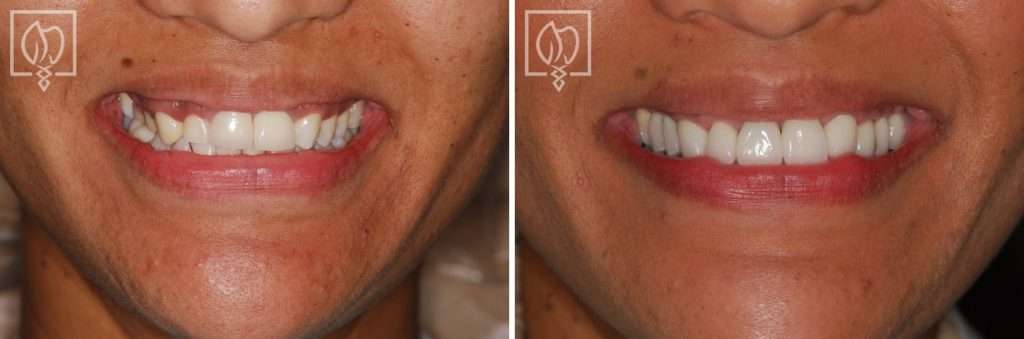 Complex
 Multi-Faceted Treatment for Patient Unhappy With Her Artificial-Looking Crowns, Teeth and Gums
Many patients come to Elite Prosthetic Dentistry unhappy with the appearance of their smile. A particular patient who sought our help was very unha...
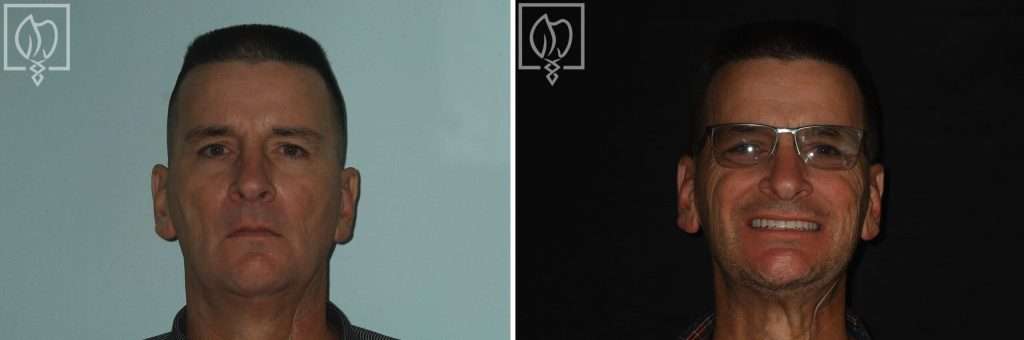 Standard
 Treating Kevin’s Collapsed Bite with a Complete Smile Makeover with New Dentures
Kevin came to us very dissatisfied with his existing condition. He looked much older than his age because his bite was collapsed and no one could r...
Related Articles
Deepen your knowledge with additional insights on this topic.
Rejuvenating a Ruined Implant Site Having Severely Damaged Bone
Even after a failed implant and significant bone loss, it is often possible to rebuild the ridge and restore a healthy foundation for a new implant.
If a Single Front Tooth is Replaced with an Implant, can it Look Natural?
A single front tooth implant can look completely natural with precision placement, custom abutments, and hand-crafted porcelain crowns. Washington, DC.
What is Precision Implant Placement (PIP)?
Learn what Precision Implant Placement (PIP) is and how meticulous planning ensures optimal implant positioning for long-lasting results in Washington, DC.
Getting Here from
Elite Prosthetic Dentistry is conveniently located near , .
Patients from Potomac typically drive east on River Road to Wisconsin Avenue, then south to our office near Friendship Heights.
Address:
4400 Jenifer Street NW, Suite 220
Washington, DC 20015
Phone: (202) 244-2101
Schedule ConsultationSchedule Your Consultation from
residents trust Dr. Gerald Marlin for precision dental care. With 3,900+ implants placed and 40+ years of experience, your smile is in expert hands.