
Ridge Augmentation in Washington, DC
Ridge augmentation surgery at Elite Prosthetic Dentistry. Bone reconstruction to restore jaw ridge height and width for implant support.
Ridge Augmentation
Rebuilding Jawbone Contours to Support Stable, Natural-Looking Restorations
What is Ridge Augmentation?
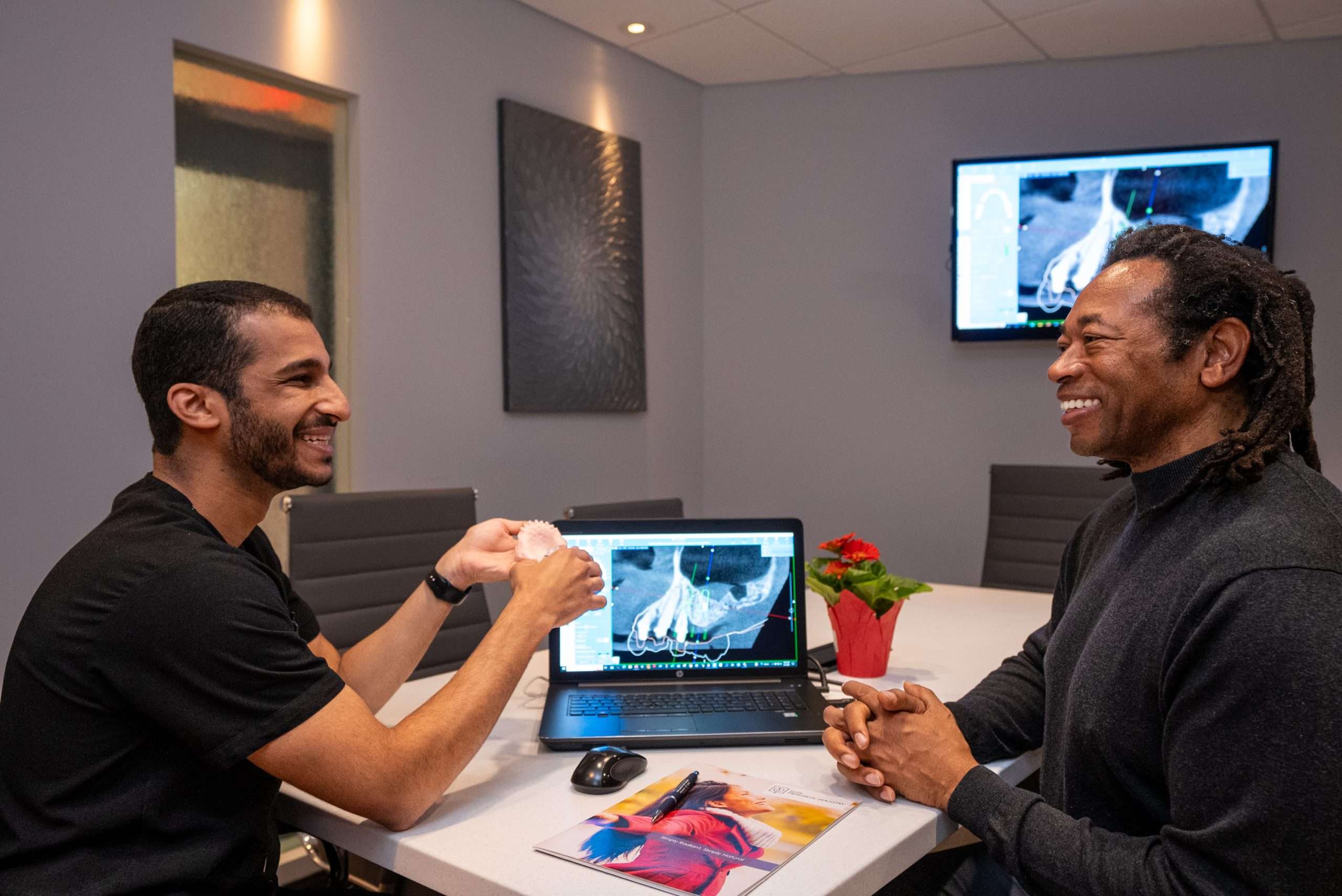
Ridge augmentation is a surgical procedure used to rebuild the natural shape and contours of the jawbone after tooth loss or trauma. When a tooth is extracted, the surrounding bone may shrink or collapse over time, resulting in an uneven ridge. This can affect not only the aesthetics of your smile but also the ability to place dental implants securely. Ridge augmentation restores lost bone and helps recreate a natural foundation for prosthetic teeth.
The process of bone resorption is entirely natural and occurs gradually following tooth loss. Without a tooth’s root structure and the forces it generates during chewing, the jawbone beneath begins to resorb or shrink. This happens because bone responds to functional demands, and when those demands cease, the bone no longer maintains its volume. In some cases, particularly when teeth have been missing for years, the degree of resorption can be dramatic, transforming the overall profile of the lower face and jaw. This is why early intervention with ridge augmentation can preserve your facial contours and maintain a more youthful appearance.
Why Would You Need This Procedure?
You may need ridge augmentation if you’ve experienced jawbone loss due to extractions, injury, periodontal disease, or long-standing tooth loss. If the ridge is too narrow or sunken, placing dental implants may be difficult or lead to poor esthetic outcomes. By rebuilding the ridge, we ensure that implants or dentures sit properly and look completely natural.
Beyond implant placement, ridge augmentation offers several important benefits. A properly contoured ridge provides better support for removable dentures, allowing them to sit more securely and comfortably. Even if you’re not planning implants, restoring the ridge can improve the fit and stability of any prosthetic solution you choose. Additionally, a well-formed ridge maintains the structural integrity of your jawbone, which supports your facial tissues and contributes to a more youthful facial profile.
The jawbone is unique in that it requires functional stimulation to maintain its height and density. When teeth are lost, this stimulation ceases, triggering gradual but significant resorption. Some patients experience more severe resorption than others due to factors including the duration of tooth loss, overall bone quality, metabolic health, and genetic predisposition. Ridge augmentation addresses this by proactively rebuilding bone volume before placing implants or restorations, ensuring superior long-term results.
Our Precision Approach to Ridge Augmentation
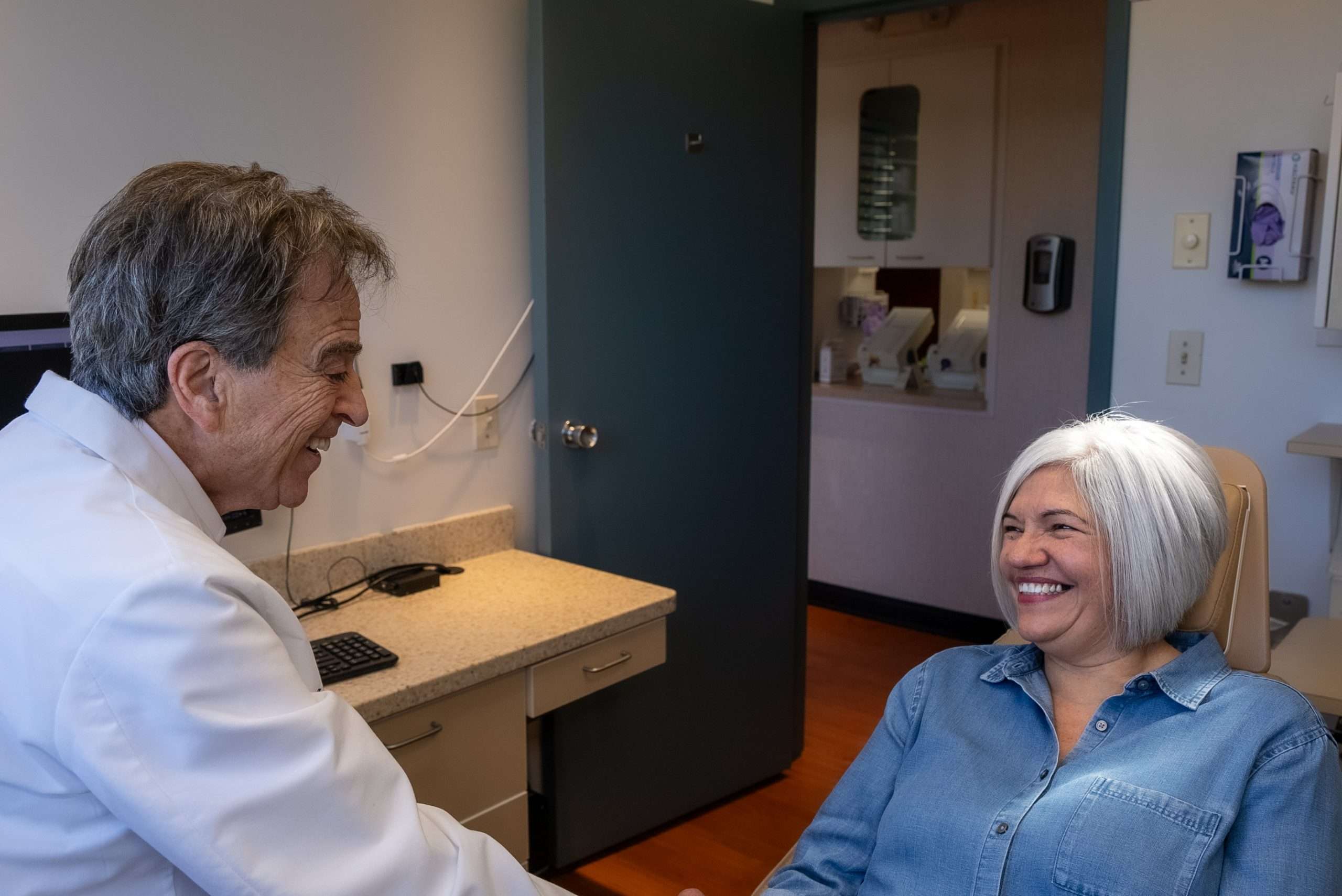
At Elite Prosthetic Dentistry, Dr. Marlin uses advanced digital diagnostics, including CBCT imaging, to determine the precise areas where bone grafting is needed. Three-dimensional cone beam computed tomography allows Dr. Marlin to assess bone volume in multiple dimensions and plan the most predictable augmentation strategy. This level of precision is essential when working near vital anatomical structures such as nerves and sinus cavities.
The augmentation may involve placing graft material into the deficient ridge and, if necessary, using a membrane to stabilize the site. Over time, your body replaces the graft with healthy bone tissue, restoring the structure and volume of the jaw. The graft materials used may include autogenous bone harvested from your own jaw, synthetic bone substitutes, allogeneic grafts from tissue banks, or xenogenic grafts derived from natural sources. Each material has specific advantages, and Dr. Marlin selects the best option based on your anatomy, the extent of bone loss, and your restoration goals.
The surgical technique Dr. Marlin employs focuses on minimally invasive approaches whenever possible. Smaller incisions mean faster healing, reduced discomfort, and more predictable outcomes. During surgery, the graft material is carefully placed and shaped to restore the ridge to its ideal contours. A regenerative membrane may be secured over the graft to isolate it from surrounding soft tissues and encourage bone formation rather than soft tissue infiltration. The membrane acts as a barrier that allows bone-forming cells to populate the augmented area while preventing the migration of other cell types.
The Ridge Augmentation Timeline and Healing Process
Understanding the healing timeline is important for planning your treatment. Following ridge augmentation surgery, the initial healing phase typically lasts two to four weeks. During this time, your incisions will close and the soft tissues will begin to stabilize. Many patients are able to return to regular activities within one to two weeks, though vigorous exercise and contact sports should be avoided initially.
The bone graft undergoes a more extended integration period. Over the next four to six months, the graft material gradually becomes incorporated into your native bone. This process, called osseointegration, transforms the graft into vital, living bone that can support dental implants. During this maturation phase, it’s important to avoid putting pressure on the augmented area, which is why dental implant placement is typically delayed until the bone has fully matured.
Throughout the healing process, Dr. Marlin’s team will monitor your progress with periodic examinations and imaging. This careful follow-up ensures that the graft is integrating properly and that no complications are developing. Most patients find this recovery period manageable with standard pain management protocols.
Supporting Superior Implant and Esthetic Results
Ridge augmentation isn’t just about restoring bone. It’s about creating the best possible environment for dental implants and long-term prosthetic success. This procedure helps ensure that the gumline and contours around your restoration appear smooth and symmetrical. In skilled hands, ridge augmentation dramatically improves function and esthetics alike.
When implants are placed into augmented bone, they benefit from ideal anatomical positioning. This means they can be positioned at the correct angle and depth to support a restoration that looks completely natural. The surrounding bone provides ample support, which translates to better implant stability, reduced stress on the implant-to-bone interface, and enhanced long-term success rates. In contrast, placing implants into deficient bone without augmentation may result in compromised positioning, increased implant stress, and potentially shorter implant longevity.
Additionally, the augmented ridge allows your restorative dentist to design crowns and bridges with proper emergence profiles. This ensures that teeth emerge from the gums at the correct angle and with proper contours that promote healthy gum tissue around the restoration. A well-designed restoration supported by properly augmented bone typically remains healthy and esthetically pleasing for many decades.
Beyond implant support, ridge augmentation improves the esthetic outcome of any restoration. A naturally contoured ridge supports gum tissues in a way that creates the illusion of emerging from healthy, youthful gums. This is particularly important in smile-visible areas where the gumline is exposed. Patients often report renewed confidence following ridge augmentation because the overall facial appearance is more balanced and youthful.
Frequently Asked Questions
Is ridge augmentation always necessary?
Not always. It’s only recommended when the jawbone lacks the volume or shape needed for proper implant placement or a natural-looking result.
What is the recovery time after ridge augmentation?
Most patients recover in 1 to 2 weeks, with full integration of the graft taking 4 to 6 months before implants are placed.
Is the procedure painful?
You’ll be kept comfortable with local anesthesia and optional sedation. Discomfort afterward is typically mild and managed with standard medications.
Can ridge augmentation help with dentures?
Yes. By rebuilding the jaw’s shape, ridge augmentation can significantly improve the stability and comfort of removable dentures.
What materials are used for the graft?
We use high-quality biocompatible materials, which may include your own bone, donor grafts, or synthetic substitutes, depending on your needs.
Your Best Smile Is Within Reach
Schedule a consultation with Dr. Gerald Marlin to discuss your treatment options and take the first step toward a healthier, more confident smile.
Related Case Studies
Explore similar cases demonstrating our expertise in advanced prosthetic dentistry.
 Complex
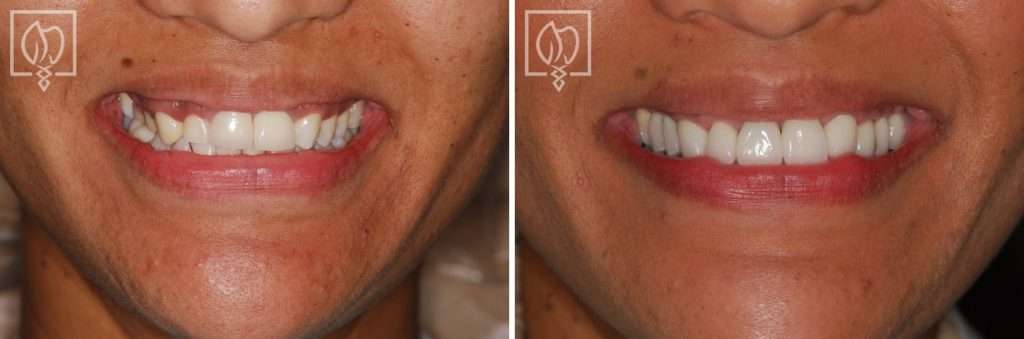
 Temporary Crowns Restore Patient's Smile in Just One Day with an Immediate Smile Makeover
Her dental implant looked artificial in her mouth and was impacting her smile. She had been very unhappy with her unsightly smile line and was beco...
 Complex
 Multi-Faceted Treatment for Patient Unhappy With Her Artificial-Looking Crowns, Teeth and Gums
Many patients come to Elite Prosthetic Dentistry unhappy with the appearance of their smile. A particular patient who sought our help was very unha...
 Standard
 Treating Kevin’s Collapsed Bite with a Complete Smile Makeover with New Dentures
Kevin came to us very dissatisfied with his existing condition. He looked much older than his age because his bite was collapsed and no one could r...
Related Articles
Deepen your knowledge with additional insights on this topic.
Rejuvenating a Ruined Implant Site Having Severely Damaged Bone
Even after a failed implant and significant bone loss, it is often possible to rebuild the ridge and restore a healthy foundation for a new implant.
If a Single Front Tooth is Replaced with an Implant, can it Look Natural?
A single front tooth implant can look completely natural with precision placement, custom abutments, and hand-crafted porcelain crowns. Washington, DC.
What is Precision Implant Placement (PIP)?
Learn what Precision Implant Placement (PIP) is and how meticulous planning ensures optimal implant positioning for long-lasting results in Washington, DC.
Ready to Transform Your Smile?
With 40+ years of experience and 3,900+ dental implants placed, Dr. Gerald Marlin delivers results that last. Schedule your consultation today.