
Popular 'Crowns' in History
The Fascinating History of Dental Restorations and Crowns
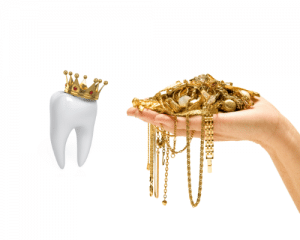
Crowns are one of the most common restorative procedures we perform in our office at Elite Prosthetic Dentistry. Whether you need a crown to restore a tooth damaged by decay or trauma, or to support a bridge or implant restoration, crowns represent one of the most effective solutions in prosthodontics. The history of dental crowns and tooth restorations is surprisingly rich and fascinating. Here are some interesting facts about teeth and our favorite “crowns” throughout history.
A Royal Myth: The Truth About George Washington’s Teeth
Did you know a common myth surrounding one of our founding fathers, George Washington, was that he had wooden teeth? Contrary to popular belief, Washington actually had false teeth made of ivory, gold, and even lead, but not wood. The stained and discolored wooden appearance of the contraptions he wore made them seem like they were constructed from wood, but this was an optical illusion created by the materials’ aging and staining over time.
Washington’s dentures were actually quite sophisticated for the 18th century, representing some of the finest prosthodontic work available at that time. His false teeth included human teeth purchased from various sources, as well as the materials mentioned above. The complexity of his restoration demonstrates that patients have valued good dental aesthetics and function for centuries, and that skilled craftspeople have long dedicated themselves to creating them.
The fact that a man of George Washington’s status required extensive prosthetic work underscores a reality of pre-modern dentistry: tooth loss was common and extensive, and those with means invested substantially in restoration. In modern times, we have far better preventive options and restoration materials, allowing people to maintain natural teeth throughout their lives, or to replace lost teeth with superior restorations like dental implants.
Royal Commemorations: Prince Albert’s Unusual Jewelry
In 1847, Queen Victoria’s husband, Prince Albert, had an unusual and somewhat morbid idea. He took their first daughter’s milk tooth and had it made into a brooch. The brooch was crafted from gold and enamel in the shape of a thistle (a flower), with the baby tooth placed at the top of the “blooming” flower. This charming and eccentric piece of royal jewelry represents a creative way that even centuries ago, people valued teeth and found them worth commemorating and displaying.
Prince Albert had a particular fondness for incorporating teeth into jewelry, which he introduced to Queen Victoria as part of German commemorative traditions. This interest extended beyond milk teeth to hunting trophies and traditional Bavarian customs.
Stag Teeth and Royal Sentiment: Prince Albert’s Hunting Traditions
Prince Albert also loved hunting, and this passion led to the creation of several unusual jewels set with the teeth of stags he had hunted. It is possible that stag teeth jewels and infant teeth jewelry were examples of Prince Albert introducing Queen Victoria to German forms of commemorative jewels. Prince Albert was born in Bavaria in southeastern Germany, and deer teeth are part of traditional Bavarian dress and are believed to bring good luck in hunting.
The tradition of incorporating teeth into jewelry remained strong in Prince Albert’s tastes throughout his life. Prince Albert gave the tooth necklace containing stag teeth to Queen Victoria in 1860. The necklace contains 44 teeth from stags that he had personally hunted on the royal estate at Balmoral in Scotland. This was no casual gift, but rather a substantial and meaningful piece of jewelry constructed from the teeth of numerous deer over what must have been many years of hunting.
To complement the necklace, in 1851 Prince Albert also had a holly brooch made and set with two stag’s teeth. The teeth were tied together with Royal Stuart tartan ribbon, a personal touch that made the brooch a souvenir of Balmoral and a deeply personal birthday gift from his wife, Queen Victoria. These pieces exemplify the Victorian era’s fascination with natural materials and its sentimental approach to commemorative objects.
The Royal Collection in London houses these remarkable pieces of jewelry and display them as significant artifacts of royal history and Victorian culture. You can explore these interesting jewels and their history further through the Royal Collection’s online resources and exhibitions.
Ancient Dental Art: Jade and Precious Stones
Even further back in history than tooth jewelry, we find evidence of jewels actually embedded in teeth. Archaeological discoveries in Chiapas, Mexico have uncovered a skull with teeth adorned with jade and blue stones. This remarkable evidence demonstrates that fashion, dental aesthetics, and dental modifications existed as far back as the 1500s, and likely much earlier.
These ancient dental decorations required considerable skill to execute. The stones had to be carefully shaped and attached to the teeth in a way that was secure and durable. The fact that these pieces survived for centuries suggests they were well-crafted and deeply valued. These ancient restorations demonstrate that across cultures and throughout human history, people have recognized the significance of teeth and have invested in making them beautiful and distinctive.
Modern Dental Crowns: Science Meets Art
Modern dental crowns represent the culmination of centuries of development in restorative dentistry. Today’s crowns are created from materials far superior to those available to historical figures like Washington and Queen Victoria. Porcelain fused to high-noble metals, all-ceramic crowns, and zirconia restorations provide strength, durability, and esthetics that would astound the craftspeople of earlier eras.
Contemporary prosthodontics combines the scientific understanding of how to create restorations that integrate harmoniously with your teeth and tissues, with the artistic sensibility required to create restorations that look completely natural. Computer-aided design and digital manufacturing have made it possible to create crowns with unprecedented precision and esthetic refinement.
At Elite Prosthetic Dentistry, Dr. Gerald Marlin brings together the latest technology with more than 40 years of experience to create crowns that are not only functionally excellent, but also beautiful and natural-appearing. Whether your crown will replace a decayed tooth, support a bridge, or complete an implant restoration, our approach combines scientific precision with artistic attention to every detail.
The Legacy Continues
The history of dental restorations reminds us that people have always valued their teeth and sought to enhance, maintain, or replace them in ways that reflect their status, beliefs, and personal identity. From George Washington’s ivory dentures to Prince Albert’s tooth jewelry to the jade-adorned teeth of ancient Mexico, we see a consistent human desire to have teeth that function well and look their best.
Today, that tradition continues. When you come to Elite Prosthetic Dentistry for a crown, you are participating in a long historical tradition of dental restoration. Get the royal treatment here with us in Washington D.C. and have a crown to be proud of. Whether your crown will be seen only by you and your dental care team, or will be prominently displayed in your smile, we approach every restoration with the care and artistry it deserves.
If you need a dental crown or are interested in learning more about your restorative options, call us today to discuss your needs. Dr. Marlin and our team would be delighted to help you maintain a beautiful, healthy smile that will serve you well for years to come.
Related Case Studies
Explore similar cases demonstrating our expertise in advanced prosthetic dentistry.
 Complex
 Temporary Crowns Restore Patient's Smile in Just One Day with an Immediate Smile Makeover
Her dental implant looked artificial in her mouth and was impacting her smile. She had been very unhappy with her unsightly smile line and was beco...
 Complex
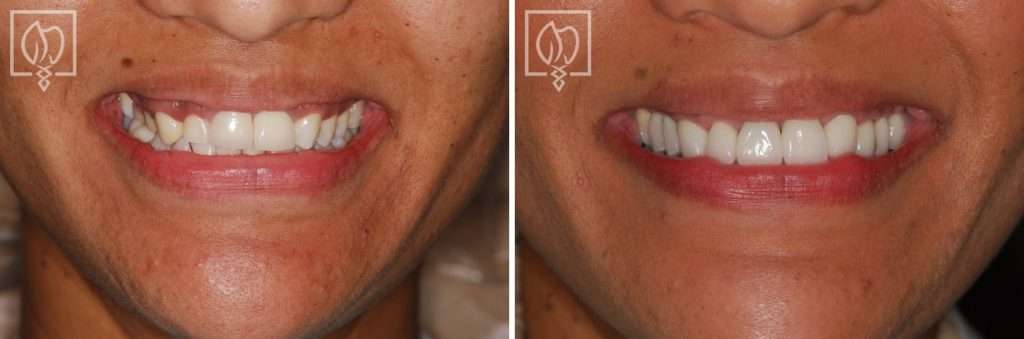
 Multi-Faceted Treatment for Patient Unhappy With Her Artificial-Looking Crowns, Teeth and Gums
Many patients come to Elite Prosthetic Dentistry unhappy with the appearance of their smile. A particular patient who sought our help was very unha...
 Standard
 Treating Kevin’s Collapsed Bite with a Complete Smile Makeover with New Dentures
Kevin came to us very dissatisfied with his existing condition. He looked much older than his age because his bite was collapsed and no one could r...
Related Articles
Deepen your knowledge with additional insights on this topic.
How is the Gummy Smile Fixed?
Dr. Marlin reshapes gum tissue and fabricates custom crowns to correct gummy smiles, creating a balanced and confident smile in Washington, DC.
Will Shifting Teeth Needing Splinting Look Individual? | Dr. Gerald Marlin
Splinted crowns stabilize shifting teeth while maintaining the appearance of individual natural teeth. Case study from Washington, DC prosthodontist.
Did Zoom Meetings Make You Unhappy with Your Smile?
Video calls made many people more aware of their smile. Explore cosmetic dentistry options to transform your confidence in Washington, DC.