
Root Canal Awareness Week
Never Fear, Root Canals Are Here to Save Your Teeth

Root canal therapy ranks among the most misunderstood treatments in dentistry. Many people harbor deep anxiety about root canals, convinced they are painful experiences to be avoided at all costs. In reality, root canal therapy is a pain-relieving procedure that saves teeth that would otherwise be lost to infection or irreversible damage. At Elite Prosthetic Dentistry, we work to dispel the myths surrounding endodontic treatment and help patients understand that a root canal is actually good news for a tooth in trouble.
Prevention: The First Line of Defense
We all know that the best treatment is prevention. Identifying and working against potential problems is always going to be a better outcome than repairing damage that has already occurred. Thanks to modern diagnostic technology and the high standards of care that the dental community implements, we have unprecedented opportunities to find and prevent dental problems before they escalate.
Regular dental examinations allow us to identify early signs of decay, assess the depth of existing cavities, and monitor teeth that may be at risk for future problems. Radiographs can reveal cavities developing between teeth, bone loss from periodontal disease, and other pathology invisible to the naked eye. Modern cone beam computed tomography provides three-dimensional imaging that catches subtle problems early. When problems are caught early, they are invariably less expensive and less complex to treat.
Daily oral hygiene, including brushing twice daily, flossing regularly, and cleaning your tongue, removes the bacteria and plaque that lead to decay and periodontal disease. A healthy diet low in sugary foods and acidic beverages further reduces your risk of developing cavities. Fluoride treatments and dental sealants provide additional protection for high-risk patients.
When Prevention Is Not Enough
However, we also know that prevention is not always 100% successful. No treatment is a one-way street, and sometimes despite our best efforts, the roots of your teeth become infected or damaged. This is where endodontic treatment becomes essential.
Root canal disease develops when the pulp of the tooth becomes inflamed or infected. The pulp is the living tissue inside your tooth that contains blood vessels and nerves. This tissue extends from the crown of the tooth down through canals in the root to the tip of the root, where it connects to the bone and tissues surrounding the tooth. When bacteria invade the pulp chamber, typically through a deep cavity, crack, chip, or through traumatic injury, an infection develops. The pulp becomes inflamed and eventually begins to die. Without endodontic intervention, the infection can spread from the root tip into the surrounding bone, creating a periapical abscess that causes pain, swelling, and potential loss of the tooth.
The signs that a tooth may need root canal therapy include severe pain when chewing or applying pressure, prolonged sensitivity to hot or cold that persists even after the stimulus is removed, discoloration or darkening of the tooth, and swelling or tenderness in the nearby gums or jaw. Sometimes, a small pimple-like bump appears on the gums near the affected tooth. However, some teeth requiring root canal therapy may have no symptoms at all, which is why regular dental examinations are crucial.
What Root Canal Therapy Actually Accomplishes
Root canal therapy, also called endodontic treatment, involves removal of the infected or inflamed pulp tissue from inside the tooth. The dentist or endodontist first carefully accesses the pulp chamber, then uses specialized instruments to clean out all the diseased tissue from the pulp chamber and the root canals. The inside of the tooth is then shaped and disinfected with antimicrobial solutions to eliminate remaining bacteria.
Once thoroughly cleaned and disinfected, the root canal system is filled with a biocompatible material called gutta-percha, a natural rubber-like substance that seals the canals and prevents bacterial reinfection. The access hole is then closed with a permanent filling or restoration. Most commonly, a crown is placed over the tooth to protect it, restore its strength, and allow it to function normally for years or even decades to come.
The Truth About Root Canal Pain
Many people are afraid of root canal therapy because of perceived pain. This misconception is worth addressing directly. Root canal therapy actually relieves pain; it does not cause it. The pain that makes people seek root canal treatment comes from the infected or inflamed pulp and the accumulation of pressure and infection around the root tip. Once that diseased tissue is removed and the infection is resolved, the pain is gone.
Modern anesthetic techniques and medications make root canal therapy no more uncomfortable than having a filling placed. Your dentist will thoroughly numb the tooth and surrounding tissues before beginning treatment. Throughout the procedure, you remain comfortable and pain-free. The relief patients experience after a root canal is remarkable. The pain that had been disrupting their sleep and affecting their quality of life simply resolves.
Recovery and Return to Function
Most people can return to work the same day after root canal treatment. There may be some mild tenderness in the tooth or surrounding tissues for a few days, but this is manageable with over-the-counter pain medication if needed. You should avoid chewing on the treated tooth until it has been fully restored with a crown or other permanent restoration, as an uncrowned tooth after root canal therapy is more prone to fracture.
The investment in root canal therapy to save your natural tooth is almost always worthwhile compared to the alternative of tooth extraction. Natural teeth, even those that have been treated with root canal therapy, function better and last longer than artificial replacements. They maintain the bone structure around the tooth root, preserve normal jaw function, and feel like natural teeth because they are your natural teeth.
This Month is Root Canal Awareness Month
This month we focus on addressing concerns and dispelling myths regarding endodontic treatment. Root canal therapy has saved millions of teeth that would otherwise have been lost to infection or damage. If you suspect that you may need root canal therapy, or if you have questions about this procedure, we encourage you to schedule a consultation with our team at Elite Prosthetic Dentistry. Proper diagnosis and prompt treatment from an experienced dentist can preserve your natural tooth and resolve your pain. Stay tuned to our blog and social media channels to learn more about root canal therapy and how it continues to save smiles, one tooth at a time.
Related Case Studies
Explore similar cases demonstrating our expertise in advanced prosthetic dentistry.
 Complex
 Temporary Crowns Restore Patient's Smile in Just One Day with an Immediate Smile Makeover
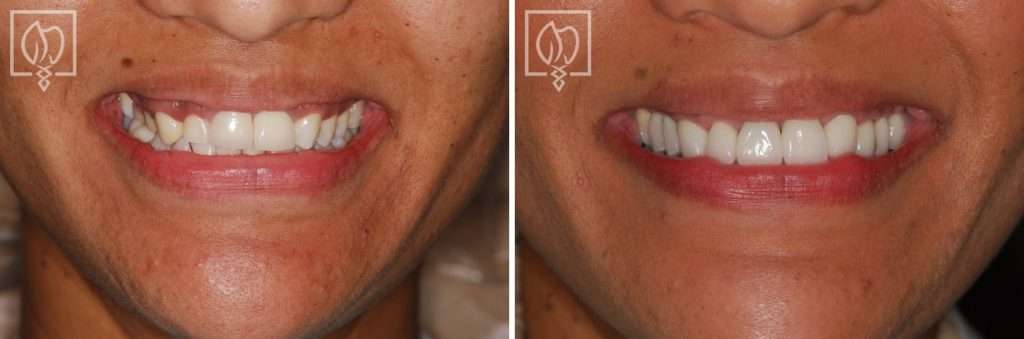
Her dental implant looked artificial in her mouth and was impacting her smile. She had been very unhappy with her unsightly smile line and was beco...
 Complex
 Multi-Faceted Treatment for Patient Unhappy With Her Artificial-Looking Crowns, Teeth and Gums
Many patients come to Elite Prosthetic Dentistry unhappy with the appearance of their smile. A particular patient who sought our help was very unha...
 Standard
 Treating Kevin’s Collapsed Bite with a Complete Smile Makeover with New Dentures
Kevin came to us very dissatisfied with his existing condition. He looked much older than his age because his bite was collapsed and no one could r...
Related Articles
Deepen your knowledge with additional insights on this topic.
How is the Gummy Smile Fixed?
Dr. Marlin reshapes gum tissue and fabricates custom crowns to correct gummy smiles, creating a balanced and confident smile in Washington, DC.
Will Shifting Teeth Needing Splinting Look Individual? | Dr. Gerald Marlin
Splinted crowns stabilize shifting teeth while maintaining the appearance of individual natural teeth. Case study from Washington, DC prosthodontist.
Did Zoom Meetings Make You Unhappy with Your Smile?
Video calls made many people more aware of their smile. Explore cosmetic dentistry options to transform your confidence in Washington, DC.