
Oral Health and Pregnancy
Protecting Your Oral Health During Pregnancy
Pregnancy is a transformative time when your body undergoes profound changes. Hormonal fluctuations, changes in diet and eating habits, increased blood volume, and shifts in immune function all create a unique physiological environment. Many expectant mothers wonder how pregnancy will affect their teeth and gums. The good news is that with proper awareness and proactive care, you can maintain excellent oral health throughout pregnancy and protect the developing health of your baby.
The Hormonal Changes of Pregnancy
During pregnancy, your body experiences dramatic increases in estrogen and progesterone. While these hormones are essential for supporting fetal development, they also affect the tissues in your mouth. The gum tissue becomes more vascular, more sensitive to bacterial irritation, and more prone to inflammatory responses. This is why many pregnant women experience changes in their gums even if they’ve never had gum problems before.
Additionally, your saliva composition changes during pregnancy, potentially affecting its protective capacity against decay. Some research suggests that cavity risk may increase during pregnancy, though the increase is modest and preventable with good oral care.

Maintaining Your Oral Care Routine During Pregnancy
The most important step is to continue your regular brushing and flossing routine. Brush at least twice daily with a soft-bristled toothbrush and fluoride toothpaste, taking care to gently brush your gum line where bacteria tend to accumulate. Floss daily, which is particularly important during pregnancy when gum inflammation is more likely.
Because pregnancy cravings often include sweets and sugary foods, be extra mindful about limiting frequent snacking on sugary items. Frequent exposure to sugar creates an acidic environment in your mouth, promoting decay. If you do indulge in sweets, eat them as part of a meal rather than as separate snacks throughout the day. This limits the time your teeth are exposed to sugars.
Continue your regular dental visits. Professional cleanings remove tartar that home care cannot eliminate, and the hygienist can identify early signs of gum disease before they become serious. Notify your dentist of your pregnancy so that your care can be tailored to your specific situation.
Pregnancy Gingivitis: Understanding Gum Disease in Pregnancy
A significant percentage of pregnant women develop a mild form of gum disease called pregnancy gingivitis. The condition is characterized by gums that are red, swollen, tender, and prone to bleeding when brushing or flossing. The bleeding can be alarming, but it’s a direct result of hormonal effects on gum tissue rather than a sign of poor oral hygiene.
Pregnancy gingivitis occurs because your gums are more susceptible to the inflammatory response triggered by plaque bacteria. Even with excellent home care, the hormonal environment makes you more prone to gum inflammation.
The importance of managing pregnancy gingivitis cannot be overstated. While the condition itself is mild, untreated gingivitis can progress to periodontitis, a more serious form of gum disease involving bone loss. Research has shown associations between untreated periodontal disease in pregnancy and adverse pregnancy outcomes, including preterm birth and low birth weight.
Dr. Marlin may recommend more frequent professional cleanings during pregnancy, typically every three months instead of the standard six-month interval. These additional cleanings help control bacterial biofilm and prevent progression to periodontitis. The benefits of more frequent cleanings far outweigh any minimal risks.
Dental X-Rays: Safety During Pregnancy
Many pregnant women worry about the safety of dental X-rays. It’s important to know that the radiation exposure from dental X-rays is minimal and can be made even safer with proper precautions. If you need an assessment of a toothache, a broken tooth, or other dental emergency during pregnancy, don’t avoid X-rays out of concern.
When X-rays are necessary, you’ll be covered with a leaded apron that shields your abdomen and protects your baby. A thyroid collar provides additional protection. Modern digital X-rays deliver even less radiation than older film X-rays. The benefits of diagnosing and treating dental problems far outweigh the negligible radiation risk from appropriately shielded dental X-rays.
If you have specific concerns, discuss them with Dr. Marlin, who can explain the risks and benefits in the context of your individual situation.
Nutrition for Your Teeth and Your Baby’s Dental Development
While you’re pregnant, your nutritional choices benefit not only your own health but also the development of your baby’s teeth. Your baby’s primary (baby) teeth begin to develop in the third month of pregnancy and continue developing until about age 3. Your baby’s permanent teeth begin developing around the sixth month of pregnancy.
To support optimal dental development, ensure your diet includes adequate:
- Calcium and phosphorus, essential minerals for tooth enamel hardness. Sources include dairy products, leafy greens, nuts, and seeds.
- Vitamin D, which aids calcium absorption. Get it from fortified dairy products, fatty fish, egg yolks, or safe sun exposure.
- Vitamin A, important for tooth structure formation. Sources include sweet potatoes, carrots, spinach, and kale.
- Vitamin C, essential for healthy gum tissue and tooth structure. Citrus fruits, berries, and bell peppers are excellent sources.
- Protein, needed for tooth structure development. Lean meats, eggs, beans, and nuts provide protein.
Limiting sugary snacks during pregnancy serves double purpose. It reduces your cavity risk and avoids establishing a pattern of sugar dependence that could influence your child’s eating habits.
Managing Morning Sickness and Nausea
Pregnancy nausea and vomiting, while usually temporary, can affect your teeth. The stomach acid in vomit is highly corrosive to tooth enamel. If you experience frequent vomiting or morning sickness, protect your teeth by rinsing your mouth with a baking soda solution immediately afterward.
Mix one teaspoon of baking soda with eight ounces of water and swish thoroughly. This neutralizes stomach acid and raises the pH in your mouth, protecting your teeth from acid attack. Don’t brush your teeth immediately after vomiting, as the acid temporarily softens the enamel, and brushing can cause damage. Wait at least 30 minutes before brushing.
Addressing Existing Dental Problems
If you have existing cavities, broken teeth, or gum disease that hasn’t been treated, pregnancy is an excellent time to address these problems. Untreated dental infection can pose risks to you and your baby. Work with Dr. Marlin to develop a treatment plan that ensures your safety and your baby’s wellbeing.
Many routine dental procedures can be safely performed during pregnancy, particularly in the second trimester when the baby’s organ development is largely complete but before the third trimester when prolonged lying back becomes uncomfortable.
A Healthy Smile for You and Your Baby
Being a mother is exciting but deeply demanding. Starting your healthy dental routine now, before pregnancy or early in pregnancy, gives you and your baby the best possible foundation for long-term oral health. The habits you establish and the dental health you model will influence your child’s approach to dental care for life.
Schedule your pregnancy dental appointment with Elite Prosthetic Dentistry. Dr. Marlin and his team will ensure that your oral health is optimized throughout your pregnancy and that your baby has the best possible start to a lifetime of healthy teeth.
Contact us at (202) 244-2101 to schedule your appointment.
Related Case Studies
Explore similar cases demonstrating our expertise in advanced prosthetic dentistry.
 Complex
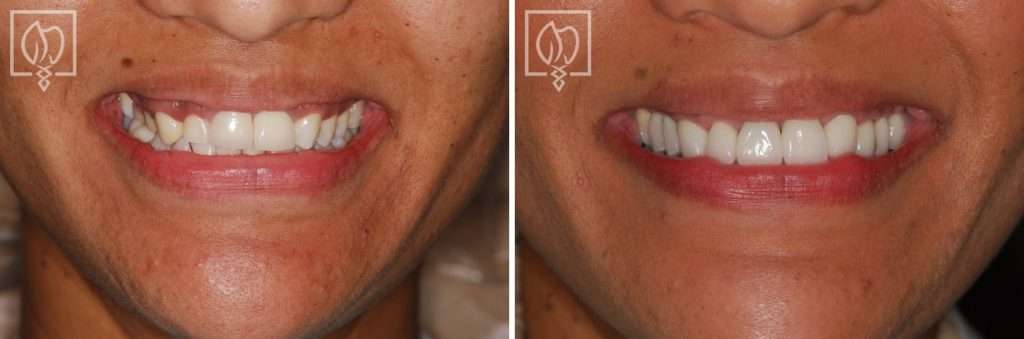
 Temporary Crowns Restore Patient's Smile in Just One Day with an Immediate Smile Makeover
Her dental implant looked artificial in her mouth and was impacting her smile. She had been very unhappy with her unsightly smile line and was beco...
 Complex
 Multi-Faceted Treatment for Patient Unhappy With Her Artificial-Looking Crowns, Teeth and Gums
Many patients come to Elite Prosthetic Dentistry unhappy with the appearance of their smile. A particular patient who sought our help was very unha...
 Standard
 Treating Kevin’s Collapsed Bite with a Complete Smile Makeover with New Dentures
Kevin came to us very dissatisfied with his existing condition. He looked much older than his age because his bite was collapsed and no one could r...
Related Articles
Deepen your knowledge with additional insights on this topic.
How is the Gummy Smile Fixed?
Dr. Marlin reshapes gum tissue and fabricates custom crowns to correct gummy smiles, creating a balanced and confident smile in Washington, DC.
Will Shifting Teeth Needing Splinting Look Individual? | Dr. Gerald Marlin
Splinted crowns stabilize shifting teeth while maintaining the appearance of individual natural teeth. Case study from Washington, DC prosthodontist.
Did Zoom Meetings Make You Unhappy with Your Smile?
Video calls made many people more aware of their smile. Explore cosmetic dentistry options to transform your confidence in Washington, DC.