
Yes, You Still Have to Floss.

A few years ago, the Associated Press published an article claiming that “there’s little proof that flossing works.” This pronouncement caught significant media attention and prompted many people to abandon flossing, believing they had been misled by decades of dental recommendations. However, the conclusions drawn by the AP were based on deeply flawed studies, and the premise of the article fundamentally misunderstands how oral disease develops. The science supporting flossing is actually quite strong, and abandoning flossing is a mistake that can cost you your teeth.
Understanding the Study Flaws
The AP’s conclusion that floss does little for oral health was based on their review of clinical studies on flossing efficacy. The AP itself acknowledged that the evidence they cited was weak at best. Let’s examine why these studies provide unreliable conclusions about flossing’s real-world benefits.
Many of the studies the AP cited were extremely brief. Some lasted only two weeks, which is far too short for a cavity or dental disease to develop and become detectable. Others tested only 25 people after a single use of floss. These are not rigorous study designs. To meaningfully evaluate the effectiveness of any preventive health behavior, you need long-term studies involving substantial numbers of people followed over months or years.
The fundamental problem with the AP’s analysis is a misunderstanding of disease pathogenesis. Gingivitis and periodontitis do not develop overnight. These conditions develop slowly over weeks and months as bacteria accumulate, forming biofilm and tartar at the gum line. Wayne Aldredge, President of the American Academy of Periodontology, explained this clearly: “Gum disease is a very slow disease.” He recommended that future studies should be long-term, noting that such studies would clearly demonstrate the difference between people who floss regularly and those who don’t.
To illustrate the absurdity of drawing conclusions from short-term studies, consider this analogy: A study claiming that drinking milk does nothing for bone health after subjects consumed only three glasses of milk would be obviously flawed. Yet the flossing studies criticized by the AP employed similarly unreasonable timeframes.
The Biological Mechanism Supporting Flossing
The evidence supporting flossing is not merely theoretical. You can observe it directly. When you floss, material comes out from between your teeth. That material consists of food particles and bacterial biofilm. Bacteria feed on these food particles and produce acids that demineralize tooth structure and create cavities. The same bacteria irritate gum tissue, causing inflammation, bleeding, and eventually gum disease.
Floss is specifically designed to reach areas that your toothbrush cannot. Your toothbrush bristles clean the front and back surfaces of teeth effectively, but the tight spaces between teeth remain largely inaccessible. These interproximal spaces are where cavities and periodontal disease most commonly begin.
Technique Matters More Than You Might Think
Dr. Aldredge made an important observation in his comments to the AP: most people floss incorrectly. Many people use a sawing motion, vigorously moving floss back and forth between teeth. This technique can lacerate gum tissue and is less effective at removing plaque from the gum line where disease begins.
Correct flossing technique involves a gentle up-and-down or zig-zag motion that allows you to slide under the gum line and clean the area where the tooth and gum meet. The floss should curve around each tooth in a c-shape, and you should gently scrape the tooth surface and the area just beneath the gum line. Positive results from flossing depend on using the tool properly. Before discarding flossing as useless, ensure you’re actually using it correctly.
Oral Hygiene is a Long-Term Investment
The fundamental issue with the AP’s conclusion is that it attempts to apply short-term study results to a disease process that occurs over years and decades. Oral hygiene is not a quick fix; it’s a long-term preventive practice. The benefits of flossing are most apparent when you compare someone who has flossed consistently for five, ten, or twenty years with someone who has not.
Over these timescales, the differences are stark. Regular flossers develop fewer cavities between their teeth. They maintain healthier gum tissue. They experience less gum recession and bone loss. They keep their natural teeth longer and require less restorative treatment. These benefits are not mysterious or debated among clinicians; they’re consistent and observable across populations.
Floss as Part of a Complete Oral Hygiene System
Think of floss the same way you would think of your toothbrush: as an essential tool that does something specific that other tools cannot do. Your toothbrush cannot clean between teeth. Floss cannot brush the occlusal surfaces or clean your tongue. A comprehensive oral hygiene routine uses multiple tools because different tools accomplish different goals.
Your toothbrush removes plaque from tooth surfaces accessible to bristles. Floss removes plaque from interproximal spaces. A tongue scraper removes bacteria from your tongue. Professional cleanings remove tartar that home care cannot remove. Your water pick helps if you have implants, orthodontics, or difficulty with conventional floss.
Proper technique with all these tools, combined with regular professional care, creates an effective system for preventing oral disease.
Long-Term Consequences of Neglecting Flossing
If you abandon flossing based on the flawed AP article, what are the likely consequences? Without floss, plaque accumulates in interproximal spaces undisturbed. This plaque calcifies into tartar. Bacterial toxins irritate your gum tissue, causing gingivitis. Over months and years, the inflammatory process deepens, leading to periodontitis with bone loss, tooth mobility, and eventual tooth loss.
Additionally, periodontal disease is not merely a dental problem. Research consistently shows correlations between untreated gum disease and systemic conditions including heart disease, stroke, diabetes complications, and respiratory infections.
The Bottom Line
It’s unfortunate that studies on an important tool like floss have yielded poor-quality results, but it’s a bigger shame that media outlets publicize conclusions drawn from obviously flawed studies. Oral hygiene is a long-term process that requires long-term observations to reach valid conclusions. The evidence supporting flossing is strong when you examine rigorous, long-term studies rather than brief studies on small populations.
You absolutely should continue flossing. Use proper technique, floss consistently, and combine flossing with brushing and professional care. The consequences of gum disease are serious, and flossing is a simple preventive tool that works.
If you would like a refresher on the best, most efficient techniques for proper flossing, our hygiene team is happy to demonstrate correct technique during your next visit. Call us at 202-244-2101 to schedule an appointment.
Related Case Studies
Explore similar cases demonstrating our expertise in advanced prosthetic dentistry.
 Complex
 Temporary Crowns Restore Patient's Smile in Just One Day with an Immediate Smile Makeover
Her dental implant looked artificial in her mouth and was impacting her smile. She had been very unhappy with her unsightly smile line and was beco...
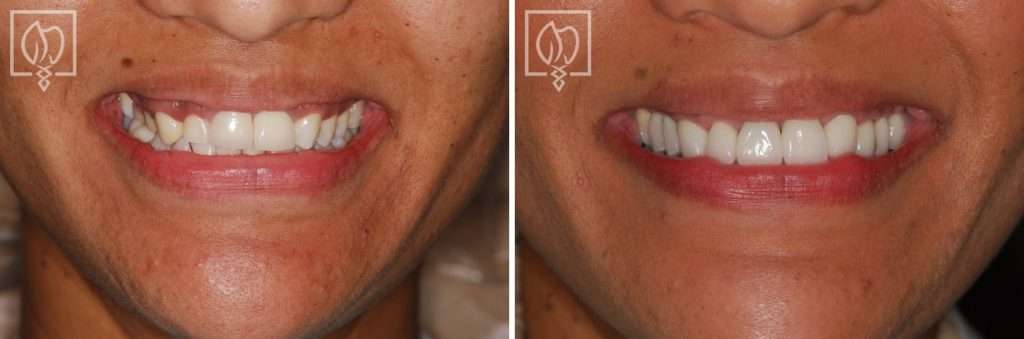 Complex
 Multi-Faceted Treatment for Patient Unhappy With Her Artificial-Looking Crowns, Teeth and Gums
Many patients come to Elite Prosthetic Dentistry unhappy with the appearance of their smile. A particular patient who sought our help was very unha...
 Standard
 Treating Kevin’s Collapsed Bite with a Complete Smile Makeover with New Dentures
Kevin came to us very dissatisfied with his existing condition. He looked much older than his age because his bite was collapsed and no one could r...
Related Articles
Deepen your knowledge with additional insights on this topic.
How is the Gummy Smile Fixed?
Dr. Marlin reshapes gum tissue and fabricates custom crowns to correct gummy smiles, creating a balanced and confident smile in Washington, DC.
Will Shifting Teeth Needing Splinting Look Individual? | Dr. Gerald Marlin
Splinted crowns stabilize shifting teeth while maintaining the appearance of individual natural teeth. Case study from Washington, DC prosthodontist.
Did Zoom Meetings Make You Unhappy with Your Smile?
Video calls made many people more aware of their smile. Explore cosmetic dentistry options to transform your confidence in Washington, DC.