
How Long Should a Dental Crown Last?
The Lifespan of Dental Crowns: What to Expect
Dental crowns are not a commodity product that you simply purchase and install. Rather, they should be properly crafted using premium materials and precise clinical technique to ensure many years of reliable function and natural appearance. The longevity of a dental crown depends on multiple factors, including the quality of materials selected, the precision of the preparation and fabrication process, your oral hygiene habits, and how well you care for the crown after placement.
On average, a well-made dental crown will last between 10 to 15 years with proper care. However, many patients at Elite Prosthetic Dentistry have crowns that have exceeded this timeframe significantly, with some lasting 20, 25, or even 30+ years. This extended longevity is possible when several key factors align, and it begins with the quality of the original restoration.
Materials Matter: Choosing the Right Crown
The material used in your crown has a substantial impact on its expected lifespan. Different materials offer varying levels of durability, aesthetics, and biocompatibility.
Porcelain Fused to Metal (PFM) crowns have been the gold standard in prosthodontics for decades. These restorations feature a strong metal substructure, typically gold or a high-noble alloy, with a tooth-colored porcelain layer fused to the surface. The metal base provides exceptional strength and stability, while the porcelain exterior creates a natural appearance. PFM crowns typically last 15 to 20 years and can persist longer when properly maintained.
All-Ceramic and Zirconia crowns represent the modern frontier in crown materials. Zirconia, in particular, offers remarkable strength approaching that of PFM while providing superior aesthetics. Zirconia crowns eliminate the dark line that sometimes appears at the gum line with PFM restorations, and they are highly resistant to chipping and fracture. These crowns often last 15 years or longer and may exceed the longevity of PFM crowns in many clinical situations.
Gold crowns, while less commonly chosen for aesthetic reasons, remain the most durable option available. Gold is extremely biocompatible, conducts temperature well, and resists corrosion. A properly made gold crown can last 25, 30, or even 40 years. Many dentists, including prosthodontists, choose gold restorations for their own teeth because of this durability.
The Preparation and Fabrication Process
A crown’s longevity begins the moment your tooth is prepared. At Elite Prosthetic Dentistry, we follow meticulous protocols to ensure that the preparation provides maximum surface area for bonding while removing only the minimum amount of tooth structure necessary for the restoration.
The preparation must have proper convergence angles, create adequate space for the crown material, and establish well-defined margins that rest slightly below the gum line. Improper marginal adaptation is one of the primary causes of crown failure. When margins are not precisely contoured and seated, microleakage can occur, leading to secondary decay beneath the crown and eventual failure.
Our on-site laboratory and chairside fabrication capabilities allow us to oversee every aspect of crown creation. Dr. Gerald Marlin, with over 40 years of experience, ensures that restorations are crafted not merely to specification, but to provide optimal function, longevity, and aesthetics. Attention to occlusal relationships, emergence profiles, and contact points during fabrication prevents problems that would otherwise shorten a crown’s lifespan.
Your Role in Crown Longevity
After placement, the crown’s success depends significantly on how you care for it. Despite their durability, crowns are not invulnerable. They require the same vigilant oral hygiene as your natural teeth.
Daily brushing with a soft-bristled toothbrush and gentle flossing around the crown margin are essential. Food and plaque accumulation at the margin can lead to gum inflammation and, eventually, to decay at the crown’s edge. Many crown failures result not from failure of the crown itself, but from decay of the underlying tooth or root structure due to inadequate hygiene.
Avoid chewing on hard objects, ice, or using your crowned teeth as tools. While modern crown materials are strong, they can fracture under excessive force. Grinding or clenching your teeth at night can shorten crown life significantly. If you have bruxism, discuss protective strategies such as a nightguard with your dentist.
Regular Professional Care
Professional monitoring is crucial for crown longevity. During your regular dental visits, we assess the crown’s margins, check for signs of decay or gum disease, and evaluate its occlusal contacts. Early detection of problems allows for simple corrections before they compromise the entire restoration.
Periodic professional cleanings remove buildup that home care cannot access, particularly around the crown margins where disease processes often begin. Regular X-rays help us identify any decay starting beneath or around the crown long before it becomes symptomatic.
When Replacement Becomes Necessary
Eventually, even the finest crowns will need replacement. Some crowns fail due to fracture or material breakdown. Others remain structurally sound but may be replaced to improve aesthetics or to change from older materials to newer, superior options. If your crown has served you well for 15 to 20 years, replacement may be a prudent investment in your long-term oral health.
The decision to replace a crown should be made in consultation with your dentist. At Elite Prosthetic Dentistry, we help you understand when a crown has reached the end of its serviceable life and when replacement would provide the greatest benefit.
The Bottom Line
Dental crowns are a significant investment in your oral health and appearance. When properly designed, meticulously fabricated, and conscientiously maintained, they provide years of reliable service. While the average lifespan is 10 to 15 years, many patients enjoy crown restorations that last twice as long or more. The quality of the initial work, combined with your diligent care and professional oversight, determines whether your crown becomes one of these long-lasting successes.
Related Case Studies
Explore similar cases demonstrating our expertise in advanced prosthetic dentistry.
 Complex
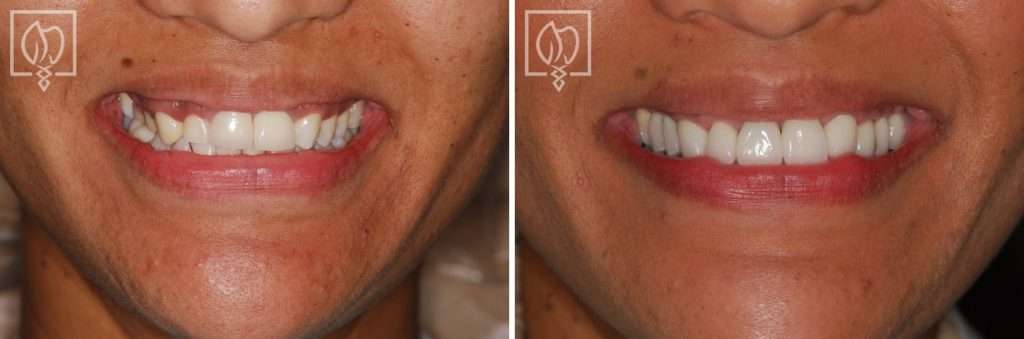
 Temporary Crowns Restore Patient's Smile in Just One Day with an Immediate Smile Makeover
Her dental implant looked artificial in her mouth and was impacting her smile. She had been very unhappy with her unsightly smile line and was beco...
 Complex
 Multi-Faceted Treatment for Patient Unhappy With Her Artificial-Looking Crowns, Teeth and Gums
Many patients come to Elite Prosthetic Dentistry unhappy with the appearance of their smile. A particular patient who sought our help was very unha...
 Standard
 Treating Kevin’s Collapsed Bite with a Complete Smile Makeover with New Dentures
Kevin came to us very dissatisfied with his existing condition. He looked much older than his age because his bite was collapsed and no one could r...
Related Articles
Deepen your knowledge with additional insights on this topic.
How is the Gummy Smile Fixed?
Dr. Marlin reshapes gum tissue and fabricates custom crowns to correct gummy smiles, creating a balanced and confident smile in Washington, DC.
Will Shifting Teeth Needing Splinting Look Individual? | Dr. Gerald Marlin
Splinted crowns stabilize shifting teeth while maintaining the appearance of individual natural teeth. Case study from Washington, DC prosthodontist.
Did Zoom Meetings Make You Unhappy with Your Smile?
Video calls made many people more aware of their smile. Explore cosmetic dentistry options to transform your confidence in Washington, DC.