
High Quality H2O
Why Water Is the Most Important Beverage for Your Oral Health
Human beings are approximately 60% water, making hydration essential for virtually every physiological process. From tissue hydration to nutrient distribution to waste removal, water supports the fundamental operations of your body. But beyond systemic health, water provides specific and measurable benefits to your dental health. In fact, choosing water over other beverages may be one of the single most effective preventive measures you can adopt.
Water Keeps Your Mouth Clean
Every time you take a sip of water, you’re performing a natural oral rinse. Water flows across your teeth, gums, and soft tissues, physically removing food particles and bacterial byproducts. This mechanical cleansing is particularly important after meals, when bacteria have access to sugars and starches that promote their growth.
But water does more than mechanically cleanse. It buffers the acidic environment in your mouth. When bacteria metabolize carbohydrates, they produce acids that demineralize tooth enamel. These acids lower the pH in your mouth, creating the conditions for decay to occur. By drinking water, you dilute these acids and raise the pH back toward neutral, reducing the risk of cavity formation.
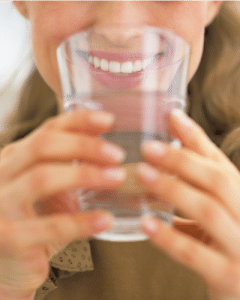
This protective effect is continuous. While brushing twice daily for two minutes remains essential for removing plaque biofilm, most people only brush morning and evening. Your mouth stays exposed to acidic conditions throughout the day and night. Drinking water throughout the day provides ongoing pH buffering and mechanical cleansing, extending cavity protection far beyond what your toothbrush alone can accomplish.
Water Strengthens Your Teeth
Most municipal water supplies contain fluoride, added at levels recommended by the American Dental Association and public health organizations. Fluoride is sometimes called “nature’s cavity fighter” because of its remarkable ability to strengthen tooth enamel and reduce cavity risk.
Here’s how fluoride works: it becomes incorporated into the crystal structure of your teeth, making them more resistant to acid attack. Fluoride also stimulates remineralization of early-stage decay before it becomes a permanent cavity. Additionally, it inhibits bacterial metabolism, reducing the amount of acid bacteria produce in the first place.
The evidence supporting community water fluoridation is overwhelming. Before widespread fluoridation began in the mid-20th century, dentures were common among older adults, and extensive tooth loss was often considered an inevitable part of aging. Since fluoridation, dental decay rates have declined dramatically. Studies show that communities with fluoridated water have 25% fewer cavities in children and significantly lower rates of tooth loss in adults compared to non-fluoridated communities. Dental costs are lower, and overall oral health outcomes are superior.
If your municipal water isn’t fluoridated, or if you drink primarily filtered or distilled water, you lose this protective benefit. Some patients use home water filters, which is fine for taste and other reasons, but many filters remove fluoride. Consider asking your water provider whether your supply is fluoridated, and if not, discuss fluoride supplementation options with Dr. Marlin.
Drinking Water Fights Dry Mouth
Your saliva is one of the most important defenses against cavities and gum disease. Saliva serves multiple functions. It physically washes away food particles and bacteria. It contains calcium, phosphate, and fluoride, which coat your teeth and help remineralize damaged enamel. It contains antimicrobial proteins that fight bacteria. It provides a buffering effect against acids. It maintains the proper pH for healthy gum tissue.
When your mouth becomes dry, saliva production decreases, and all these protective mechanisms are compromised. Dry mouth, also called xerostomia, is associated with increased cavity risk, fungal infections, difficulty wearing dentures or implant restorations, and various other oral complications.
Drinking adequate water helps maintain saliva production. When your mouth feels dry, instead of reaching for sugary drinks or acidic beverages, a glass of water immediately stimulates saliva flow and provides temporary relief. Over time, staying consistently hydrated maintains optimal salivary function and protects your oral tissues.
Certain medications and medical conditions can cause dry mouth regardless of hydration, and in those situations, Dr. Marlin may recommend other interventions. But for most people, drinking adequate water is the first line of defense.
Water Has Zero Calories and Zero Cavity-Promoting Potential
This may seem obvious, but it deserves emphasis. Sugary beverages like soda, juice, energy drinks, and flavored waters are primary contributors to obesity and dental decay. The sugar provides food for bacteria, causing them to produce acids that attack your teeth. The beverage itself is often acidic, further promoting enamel demineralization. The combination is particularly damaging.
Even worse, many people sip these beverages throughout the day, prolonging the time their teeth are exposed to sugar and acid. A single can of soda or juice consumed over an hour keeps your teeth under attack continuously. Your saliva can’t buffer the acid or remineralize the enamel fast enough.
Water, by contrast, has no calories, no sugar, no acids, and no ability to promote decay. Replacing sugary and acidic drinks with water is one of the most impactful dietary changes you can make for your health and your teeth.
The Eight 8-Ounce Rule and Personalized Hydration
The commonly cited recommendation of eight 8-ounce glasses of water per day (often called the “8 times 8” rule) is a reasonable general guideline, though individual needs vary based on activity level, climate, metabolism, and other factors. A better approach is to drink water consistently throughout the day, using thirst as your guide, and ensuring your urine remains pale in color (which indicates adequate hydration).
For dental health specifically, the habit matters more than the exact volume. Sipping water throughout your day provides continuous benefits compared to consuming a large amount at one time.
Making Water Your Beverage of Choice
Dr. Marlin recommends making water your primary beverage. This doesn’t mean you can never enjoy coffee, tea, or other drinks, but water should be your default choice, especially between meals and after eating sugary or acidic foods.
If plain water seems boring, try adding fresh lemon or lime for flavor without adding significant sugar or acid (the water dilutes the citric acid to a safe level). Unsweetened tea is an excellent alternative that provides additional antioxidants.
For patients with specific oral health challenges like dry mouth, high cavity risk, or gum disease, ask Dr. Marlin whether any additional fluoride supplementation or other interventions would be beneficial for your situation.
Contact Elite Prosthetic Dentistry
If you have questions about hydration, water quality, fluoride, or your overall oral health, contact Elite Prosthetic Dentistry in Washington D.C. at (202) 244-2101. Dr. Marlin are here to help you maintain a healthy smile.
Related Case Studies
Explore similar cases demonstrating our expertise in advanced prosthetic dentistry.
 Complex
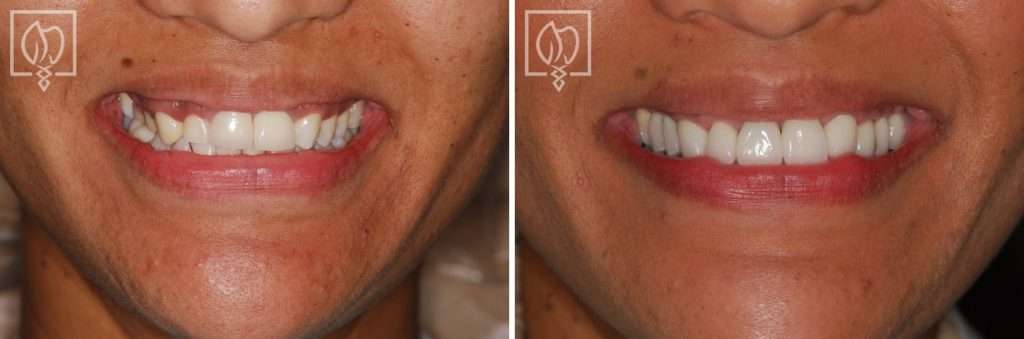
 Temporary Crowns Restore Patient's Smile in Just One Day with an Immediate Smile Makeover
Her dental implant looked artificial in her mouth and was impacting her smile. She had been very unhappy with her unsightly smile line and was beco...
 Complex
 Multi-Faceted Treatment for Patient Unhappy With Her Artificial-Looking Crowns, Teeth and Gums
Many patients come to Elite Prosthetic Dentistry unhappy with the appearance of their smile. A particular patient who sought our help was very unha...
 Standard
 Treating Kevin’s Collapsed Bite with a Complete Smile Makeover with New Dentures
Kevin came to us very dissatisfied with his existing condition. He looked much older than his age because his bite was collapsed and no one could r...
Related Articles
Deepen your knowledge with additional insights on this topic.
How is the Gummy Smile Fixed?
Dr. Marlin reshapes gum tissue and fabricates custom crowns to correct gummy smiles, creating a balanced and confident smile in Washington, DC.
Will Shifting Teeth Needing Splinting Look Individual? | Dr. Gerald Marlin
Splinted crowns stabilize shifting teeth while maintaining the appearance of individual natural teeth. Case study from Washington, DC prosthodontist.
Did Zoom Meetings Make You Unhappy with Your Smile?
Video calls made many people more aware of their smile. Explore cosmetic dentistry options to transform your confidence in Washington, DC.