
Oral Cancer Awareness: Let's Spread the Word
Oral Cancer Awareness: Why Education and Early Detection Matter
Many people feel a natural impulse to contribute to something larger than themselves, to participate in causes that make a real difference in the world. April presents an opportunity to engage with a significant health issue that remains largely unknown to the general public yet affects thousands of lives annually. By learning about oral cancer, spreading awareness, and encouraging screening, you may help save a life.
The Hidden Crisis: Oral Cancer Statistics
Oral and pharyngeal cancer represents a devastating health crisis that receives far less public attention than it deserves. The American Association of Oral and Maxillofacial Surgeons (AAOMS) reports that oral and pharyngeal cancers collectively kill nearly one person every hour, every day of the year. To put this in perspective, this annual death toll exceeds deaths from cervical cancer, yet cervical cancer awareness is far more prevalent in public health messaging.
Approximately 48,250 Americans will be newly diagnosed with oral cancer this year. This represents significant individual suffering, substantial healthcare costs, and profound impacts on families and communities. Yet awareness of oral cancer among the general public remains extremely low. Most people cannot name the warning signs. Few understand their personal risk. Many don’t realize that a dentist can screen for this disease.
Shifting Risk Profiles Challenge Assumptions
For decades, oral cancer was primarily associated with older adults who smoked or used tobacco. This stereotype persists, but the reality has shifted dramatically. While smoking and tobacco use remain major risk factors, the fastest growing segment of newly diagnosed oral cancer patients consists of younger, healthier, nonsmoking individuals.
This change is driven primarily by HPV (human papillomavirus) infection. Certain high-risk strains of HPV, transmitted sexually, cause oropharyngeal cancer in people with no history of tobacco or alcohol use. The virus may have been acquired years before cancer develops, remaining dormant until some trigger causes malignant transformation.
This epidemiological shift means everyone is potentially at risk. A 35-year-old nonsmoker with no family history of cancer is not immune. This universality of risk is precisely why oral cancer awareness and regular screening are so important across all demographic groups.
Awareness Beyond Knowledge
True awareness transcends simply knowing that oral cancer exists. It requires understanding risk factors, recognizing early warning signs, and taking meaningful action. It means educating those around you, encouraging friends and family to have regular dental screenings, and creating a culture where oral health is prioritized.
The death rate associated with oral and pharyngeal cancers remains unacceptably high, primarily because the disease is frequently discovered late in its development. When cancer is diagnosed in early stages, treatment is often less invasive, outcomes are significantly better, and survival rates improve dramatically. Conversely, late-stage diagnosis often requires more aggressive treatment, higher morbidity, and lower survival rates.
The cascade of consequences from late diagnosis affects not only the patient but their entire support network. Extensive surgery may disfigure the face, affect eating and speaking, and impact quality of life. Radiation therapy causes side effects that persist for years. Chemotherapy carries its own significant burdens. Early detection prevents this chain of suffering.
How You Can Make a Difference
Share Information with Your Network
Talk to your family, friends, coworkers, and community members about oral cancer. Many people have never heard about it. By simply mentioning oral cancer, its risk factors, and the importance of screening, you plant a seed that might lead someone to seek evaluation they might otherwise have neglected.
Encourage Regular Dental Visits
Many people avoid dental care due to anxiety, cost concerns, or simply not prioritizing dental health. By emphasizing that regular dental visits include oral cancer screening, you encourage others to maintain this essential health habit. A simple dental visit might identify early-stage cancer when treatment is most effective.
Understand and Share the Warning Signs
Learn the signs and symptoms of oral cancer: persistent sores, white or red patches in the mouth, difficulty swallowing, hoarseness, unexplained pain, lumps or thickening. When you know these signs, you can share them with others and help them understand what to watch for.
Promote Preventive Behaviors
Encourage others to avoid tobacco and to limit alcohol. Support HPV vaccination when appropriate. Promote overall health behaviors including a nutritious diet, regular exercise, and stress management. These contribute to general health and may reduce cancer risk.
Support Early Detection Efforts
Advocate for oral cancer screening in your community. Some dental practices may not include routine screening. Others might benefit from newer screening technologies. Your voice as a patient or community member can influence healthcare providers to prioritize this important preventive measure.
Oral, Head and Neck Cancer Week: A Call to Action
Every April, the AAOMS (American Association of Oral and Maxillofacial Surgeons) joins numerous dental and medical organizations in recognizing Oral, Head and Neck Cancer Week (OHANCAW). This designated week, typically April 10 to 16, serves as a focused opportunity to promote awareness and encourage action.
During this week, dental professionals, healthcare providers, patients, and community members organize and participate in various activities designed to increase public awareness:
- Public service announcements about oral cancer risks and warning signs
- News releases and media coverage of oral cancer statistics and prevention
- Educational talks at middle and high schools, teaching young people about HPV, tobacco risks, and the importance of screening
- Community walks and fundraising events to support oral cancer research and patient support
- Social media campaigns using hashtags and messages to reach broad audiences
- Partnerships between dental offices and community organizations to provide free screening
The Prosthodontist’s Role in Oral Cancer Screening
While general dentists are trained to screen for oral cancer, prosthodontists like Dr. Marlin bring additional expertise. A prosthodontist has extensive training in recognizing abnormal oral tissues, understanding the relationship between systemic disease and oral health, and managing complex cases involving head and neck cancer recovery.
At Elite Prosthetic Dentistry, every comprehensive examination includes careful oral cancer screening. If suspicious lesions are identified, Dr. Marlin provides appropriate referrals for biopsy and further evaluation. For patients with a history of oral cancer, he provides the specialized restorative care necessary after surgery or radiation therapy.
Your Role in the Fight Against Oral Cancer
You don’t need to be a healthcare professional to make a difference in the fight against oral cancer. By educating yourself, sharing information, encouraging others to seek regular dental care, and supporting early detection, you participate in a movement that saves lives.
This April, and throughout the year, embrace your opportunity to be part of something larger than yourself. Oral cancer awareness is not just a dental issue; it’s a public health priority that deserves attention and action.
Schedule Your Screening Today
If you haven’t had a dental examination including oral cancer screening in the past six months, contact Elite Prosthetic Dentistry at (202) 244-2101 to schedule an appointment with Dr. Marlin. Early detection saves lives. Let’s spread the word and ensure that fewer people suffer from this preventable disease.
Related Case Studies
Explore similar cases demonstrating our expertise in advanced prosthetic dentistry.
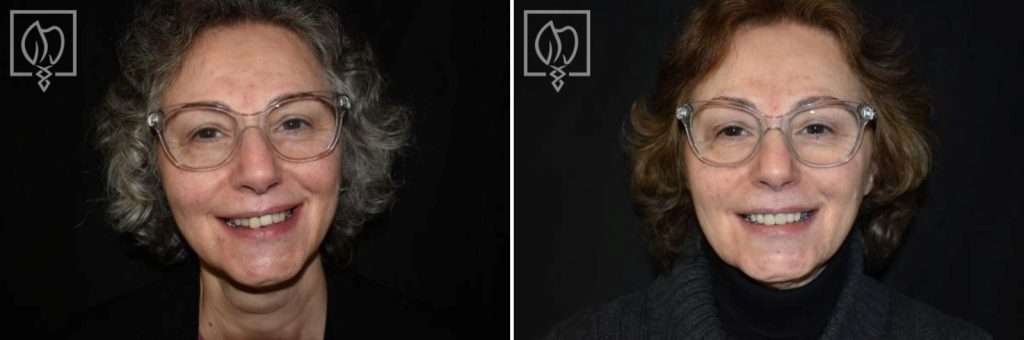 Complex
 Temporary Crowns Restore Patient's Smile in Just One Day with an Immediate Smile Makeover
Her dental implant looked artificial in her mouth and was impacting her smile. She had been very unhappy with her unsightly smile line and was beco...
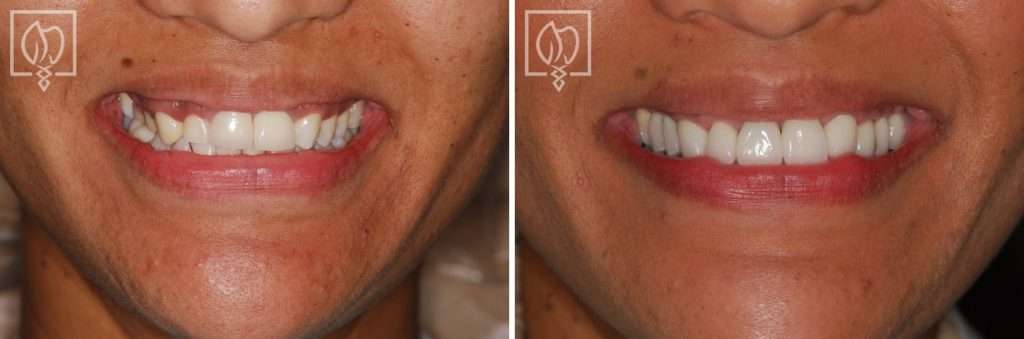 Complex
 Multi-Faceted Treatment for Patient Unhappy With Her Artificial-Looking Crowns, Teeth and Gums
Many patients come to Elite Prosthetic Dentistry unhappy with the appearance of their smile. A particular patient who sought our help was very unha...
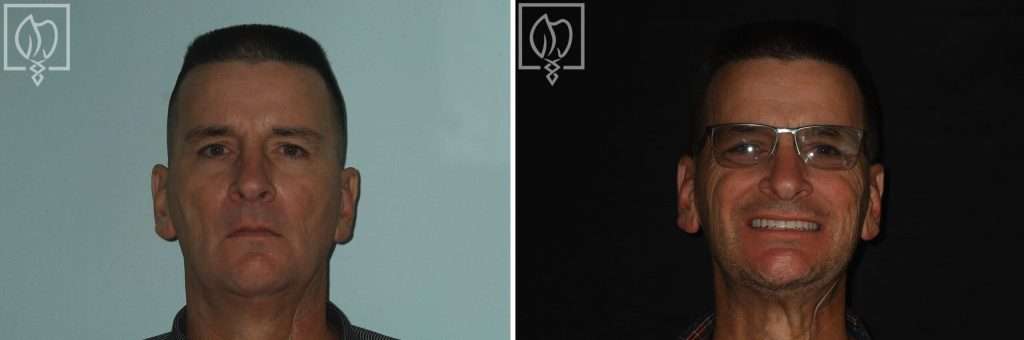 Standard
 Treating Kevin’s Collapsed Bite with a Complete Smile Makeover with New Dentures
Kevin came to us very dissatisfied with his existing condition. He looked much older than his age because his bite was collapsed and no one could r...
Related Articles
Deepen your knowledge with additional insights on this topic.
How is the Gummy Smile Fixed?
Dr. Marlin reshapes gum tissue and fabricates custom crowns to correct gummy smiles, creating a balanced and confident smile in Washington, DC.
Will Shifting Teeth Needing Splinting Look Individual? | Dr. Gerald Marlin
Splinted crowns stabilize shifting teeth while maintaining the appearance of individual natural teeth. Case study from Washington, DC prosthodontist.
Did Zoom Meetings Make You Unhappy with Your Smile?
Video calls made many people more aware of their smile. Explore cosmetic dentistry options to transform your confidence in Washington, DC.