
Bad Breath is Bad News
Don’t Let Bad Breath Control Your Life
Bad breath is bad news, and it doesn’t have to be a part of your day. In our office, we are asked on an almost daily basis: “How can I get rid of my bad breath?” This question deserves a thoughtful answer, because chronic halitosis affects not only your social and professional relationships but can also indicate underlying dental health problems that require attention.

Bad breath, or halitosis, typically originates in the mouth. The characteristic odor comes from volatile sulfur compounds produced by bacteria as they metabolize proteins and other organic matter in your oral cavity. While temporary bad breath from eating pungent foods like garlic or onions is normal and harmless, chronic bad breath suggests an underlying problem that deserves investigation and treatment.
Understanding the Root Causes of Bad Breath
The most common cause of halitosis is poor oral hygiene. When you don’t brush and floss regularly, food particles and debris accumulate on your teeth and tongue, providing a rich substrate for bacterial growth. These bacteria thrive on the proteins and carbohydrates in leftover food, producing sulfur compounds that create the unpleasant odor. The longer these particles remain in your mouth, the more time bacteria have to break them down and release odorous byproducts. Regular cleaning removes this food debris and disrupts the bacterial environment that produces bad breath.
Gum disease represents another significant cause of halitosis. When bacteria accumulate below the gum line, they trigger an inflammatory response that creates deep pockets between teeth and gums. These pockets become anaerobic, meaning they lack oxygen, creating an ideal environment for the growth of odor-producing bacteria. Some of these bacteria produce particularly foul-smelling compounds. Gum disease not only causes bad breath but also leads to bone loss, tooth mobility, and eventually tooth loss if left untreated.
Dry mouth, or xerostomia, is another common culprit. Saliva serves multiple functions in your mouth, including cleansing tissues, buffering acids, and providing antimicrobial proteins. When saliva production decreases due to medication side effects, autoimmune conditions, radiation therapy, or other causes, the mouth becomes a breeding ground for bacteria. Without adequate saliva to rinse away food particles and bacteria, odor-producing microorganisms proliferate unchecked.
Poor tongue hygiene contributes significantly to bad breath. Your tongue has a rough, textured surface that harbors millions of bacteria. Many people brush their teeth diligently but never clean their tongue. Food particles and bacteria accumulate on the tongue’s surface and dorsal surface, creating a concentrated source of foul-smelling compounds. Tongue scraping removes this buildup and dramatically improves breath quality.
Practical Strategies to Combat Bad Breath
Here are some evidence-based tips to help keep your breath fresh and clean:
Brush and Floss Regularly
Brushing at least twice daily and flossing daily is the most fundamental defense against bad breath. When you brush, use a soft-bristled toothbrush and fluoride toothpaste, paying particular attention to all tooth surfaces. Spend at least two minutes brushing to ensure you’re thoroughly cleaning each tooth. Floss reaches the spaces between teeth where a toothbrush cannot reach, removing food particles and plaque that accumulate in these tight spaces. Even excellent brushing cannot fully clean between teeth; flossing is essential. When bacteria in your mouth have bits of food and debris to feed on, they create the odors that cause bad breath. Keeping your mouth meticulously clean will keep your breath clean at the same time.
Scrape Your Tongue
Dedicate time each day to tongue cleaning. A tongue scraper is an inexpensive tool that removes the buildup of bacteria and dead tissue from your tongue surface. Use gentle, firm strokes from the back of your tongue moving forward, rinsing the scraper between strokes. Some people find that doing this once or twice daily makes a remarkable difference in their breath quality.
Drink Adequate Water
You don’t always have access to a toothbrush when you need one. Water can be an effective way to freshen your breath until you can get home and brush. Water helps clean out your mouth and prevents dryness, another major cause of bad breath. Staying well-hydrated also supports saliva production, which provides natural antimicrobial protection. Aim to drink water throughout the day, not just with meals.
Eat Foods That Support Oral Health
A good strategy is to stay away from foods that make your breath smell bad and eat foods that will help your breath smell good. Melons and citrus fruits are high in vitamin C, which supports immune function and helps kill bacteria in your mouth. The vitamin C also stimulates saliva production. Fibrous foods like apples and celery have a natural cleaning action as you chew them, helping remove food stuck between teeth and on the tongue. These foods reduce the substrate available for bacteria to feed on, thereby reducing odor production.
Choose Xylitol-Based Gum and Mints
Sugary gum and breath mints are often used to tackle bad breath, but they have a significant downside. The stinky bacteria in your mouth love sugar, and giving them more tends to produce acid that can make your breath smell worse while also leading to tooth decay. Xylitol is a sugar alcohol that bacteria cannot break down or utilize for energy. Products sweetened with xylitol create an environment hostile to the bacteria that cause bad breath and decay. Xylitol products are a perfect method for keeping your breath fresh and clean while supporting your dental health.
When Bad Breath Indicates a Deeper Problem
Some cases of halitosis result from systemic conditions rather than local oral problems. Diabetes, certain respiratory infections, liver disease, and kidney disease can all cause distinctive breath odors. If your bad breath persists despite excellent oral hygiene and doesn’t improve with the strategies listed above, schedule a dental examination. Your dentist can assess whether your bad breath results from gum disease, tooth decay, or other oral pathology. If oral sources are ruled out, your dentist can refer you to your physician for evaluation of potential systemic causes.
If you are troubled by bad breath, we encourage you to ask us for more tips on staying fresh and clean. Dr. Marlin and our team at Elite Prosthetic Dentistry are here to help you maintain excellent oral health and fresh breath.
Related Case Studies
Explore similar cases demonstrating our expertise in advanced prosthetic dentistry.
 Complex
 Temporary Crowns Restore Patient's Smile in Just One Day with an Immediate Smile Makeover
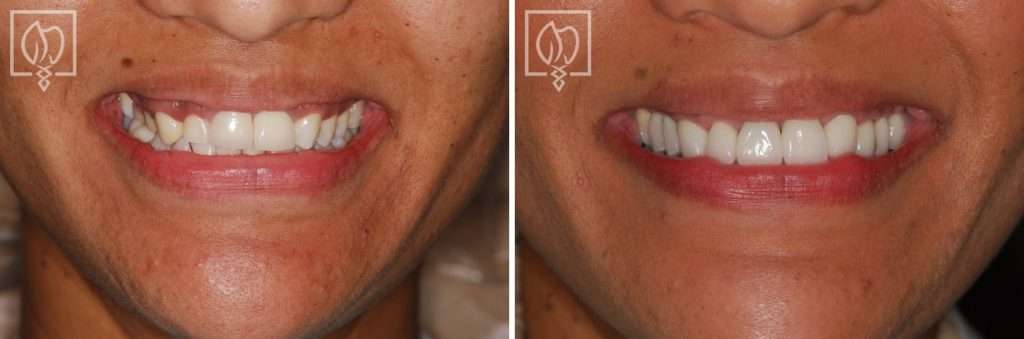
Her dental implant looked artificial in her mouth and was impacting her smile. She had been very unhappy with her unsightly smile line and was beco...
 Complex
 Multi-Faceted Treatment for Patient Unhappy With Her Artificial-Looking Crowns, Teeth and Gums
Many patients come to Elite Prosthetic Dentistry unhappy with the appearance of their smile. A particular patient who sought our help was very unha...
 Standard
 Treating Kevin’s Collapsed Bite with a Complete Smile Makeover with New Dentures
Kevin came to us very dissatisfied with his existing condition. He looked much older than his age because his bite was collapsed and no one could r...
Related Articles
Deepen your knowledge with additional insights on this topic.
How is the Gummy Smile Fixed?
Dr. Marlin reshapes gum tissue and fabricates custom crowns to correct gummy smiles, creating a balanced and confident smile in Washington, DC.
Will Shifting Teeth Needing Splinting Look Individual? | Dr. Gerald Marlin
Splinted crowns stabilize shifting teeth while maintaining the appearance of individual natural teeth. Case study from Washington, DC prosthodontist.
Did Zoom Meetings Make You Unhappy with Your Smile?
Video calls made many people more aware of their smile. Explore cosmetic dentistry options to transform your confidence in Washington, DC.