
What Color are Your Teeth?
What color are your teeth? Of course, there is no “right” answer. Teeth come in endless shades and ranges. When we talk about tooth color in our office, we try to break it down into no fewer than 40 shades (light to dark) and ranges (color). For example, you could have a very light shade of tooth in the reddish brown range, or a dark shade of tooth in the gray range. Everyone’s teeth are unique and the possibilities are endless.
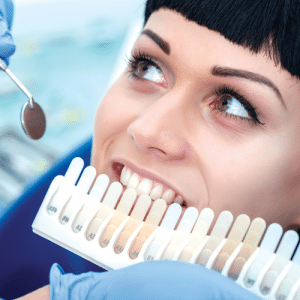
You may be wondering, what makes a tooth the color it is now or will be in the future? We all know about coffee and tobacco as being major culprits of stained teeth, but what else goes into the making of a tooth color?
Things We Can’t Control:
- Genetics - Did you know that you could inherit your tooth color? You can also inherit your tooth’s propensity for staining.
- Aging - We now know that teeth simply turn yellow, as we age.
- Medicine Use - some medicines, such as certain antibiotics, can cause your tooth color to change.
- Injury - Traumatic tooth injuries can cause intrinsic discoloration of the inner part of the tooth, the “dentin”, which is difficult to remedy. Have you ever seen a tooth that looks “dead”? That gray tone has most likely been brought on by a traumatic tooth injury.
Things We Can Control:
- Food and Drinks - Certain foods and drinks, such as berries, sauces, coffee, dark soda, black tea and red wine, cause staining over time. Limit these foods and practice good oral hygiene habits!
- Over-fluoridation - Too much fluoride in children, while teeth are still developing, can cause tooth discoloration. Be sure to follow guidelines for safe fluoride use. Don’t abandon the use of fluoride altogether though. Fluoride offers numerous benefits such as: preventing tooth decay by making teeth more resistant to acid attacks and reversing early tooth decay. But, we’ve all heard that too much of a good thing can be a bad thing!
- Tobacco Use - It is well known that cigarettes and other tobacco products turn teeth yellow and eventually brown. Don’t smoke or chew.
What can you do about stained teeth? We’re glad you asked! We offer professional teeth whitening options for the best and safest results. No matter what tooth shade you’ve inherited (or created), we can help make it whiter. Give us a call today to find out more!
Related Case Studies
Explore similar cases demonstrating our expertise in advanced prosthetic dentistry.
 Complex
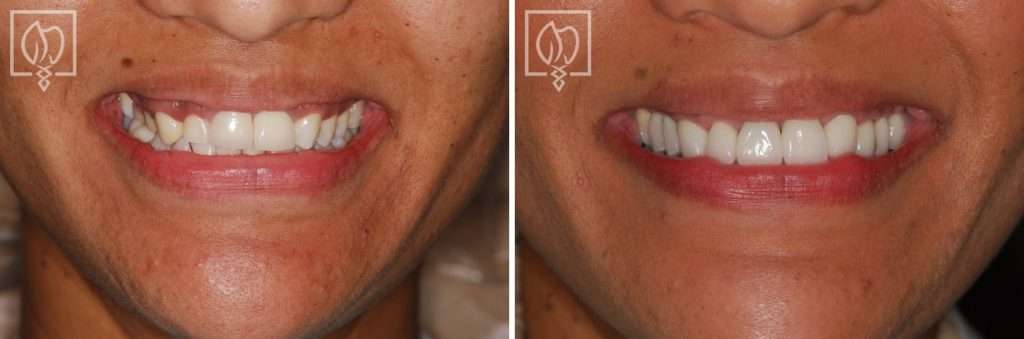
 Temporary Crowns Restore Patient's Smile in Just One Day with an Immediate Smile Makeover
Her dental implant looked artificial in her mouth and was impacting her smile. She had been very unhappy with her unsightly smile line and was beco...
 Complex
 Multi-Faceted Treatment for Patient Unhappy With Her Artificial-Looking Crowns, Teeth and Gums
Many patients come to Elite Prosthetic Dentistry unhappy with the appearance of their smile. A particular patient who sought our help was very unha...
 Standard
 Treating Kevin’s Collapsed Bite with a Complete Smile Makeover with New Dentures
Kevin came to us very dissatisfied with his existing condition. He looked much older than his age because his bite was collapsed and no one could r...
Related Articles
Deepen your knowledge with additional insights on this topic.
What Color are Your Teeth?
Natural tooth color varies by genetics, age, and lifestyle. Understanding your baseline shade helps set realistic expectations for whitening and cosmetic treatments.
Smile Makeovers: Our Unique Process for Outstanding Results
A smile makeover combines multiple cosmetic treatments into one coordinated plan. Learn about our process for achieving transformative, lasting results.
What is the Ultimate Smile Makeover?
The ultimate smile makeover combines multiple cosmetic procedures tailored to your facial features and goals. Learn what a full transformation involves.