
Full and Partial Dentures in Washington, DC
Overdentures with precision attachments at Elite Prosthetic Dentistry. Dr. Marlin provides stable, comfortable denture solutions.
Overdentures with Precision Attachments
Enhanced Stability with Advanced Attachment Systems
What Are Overdentures with Precision Attachments?
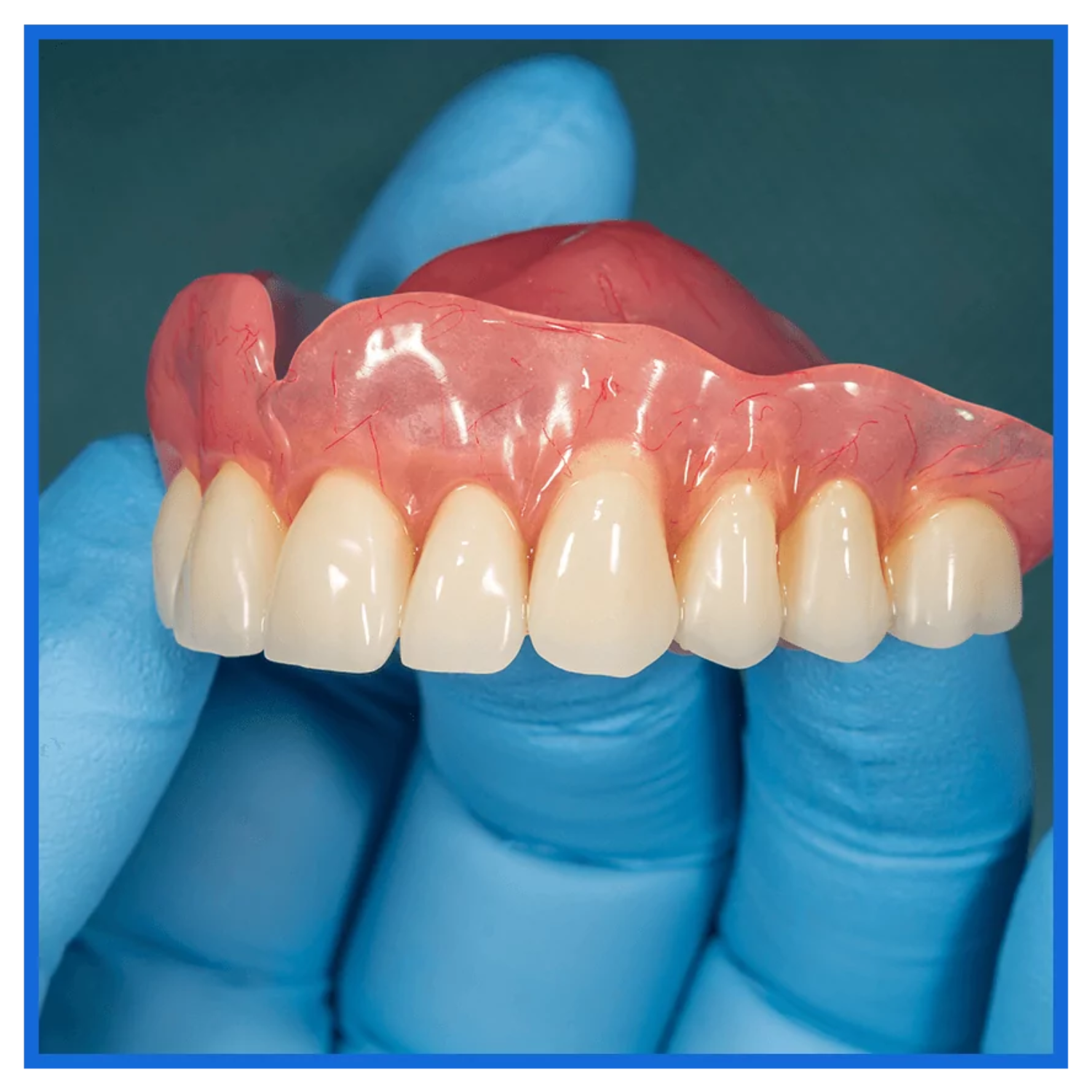
Overdentures with precision attachments are advanced removable prosthetics that attach to remaining natural teeth or implants for increased stability and comfort. Unlike conventional dentures, they provide a secure, natural-feeling fit, enhancing function, appearance, and confidence.
How Do Precision Attachments Improve Stability?
Precision attachments are small, custom-fitted connectors that anchor the denture to either dental implants or specially prepared natural teeth. These attachments help eliminate the common problems of denture slippage, rocking, or movement during speech and eating. Patients in Washington, DC, benefit from improved bite strength and speech clarity.
Are Implant-Supported Overdentures an Option?
Absolutely. If you’re missing most or all teeth but still have sufficient jawbone, implant-supported overdentures offer exceptional retention. At Elite Prosthetic Dentistry, we use high-quality attachments that are discreet, durable, and tailored to your anatomy for optimal results.
Who Is a Good Candidate for This Type of Denture?
You may be a candidate if you have some remaining teeth or are eligible for dental implants. Our team conducts a full clinical evaluation, including digital imaging and bite analysis, to determine if this is the right solution for your needs.
Understanding Complete Dentures
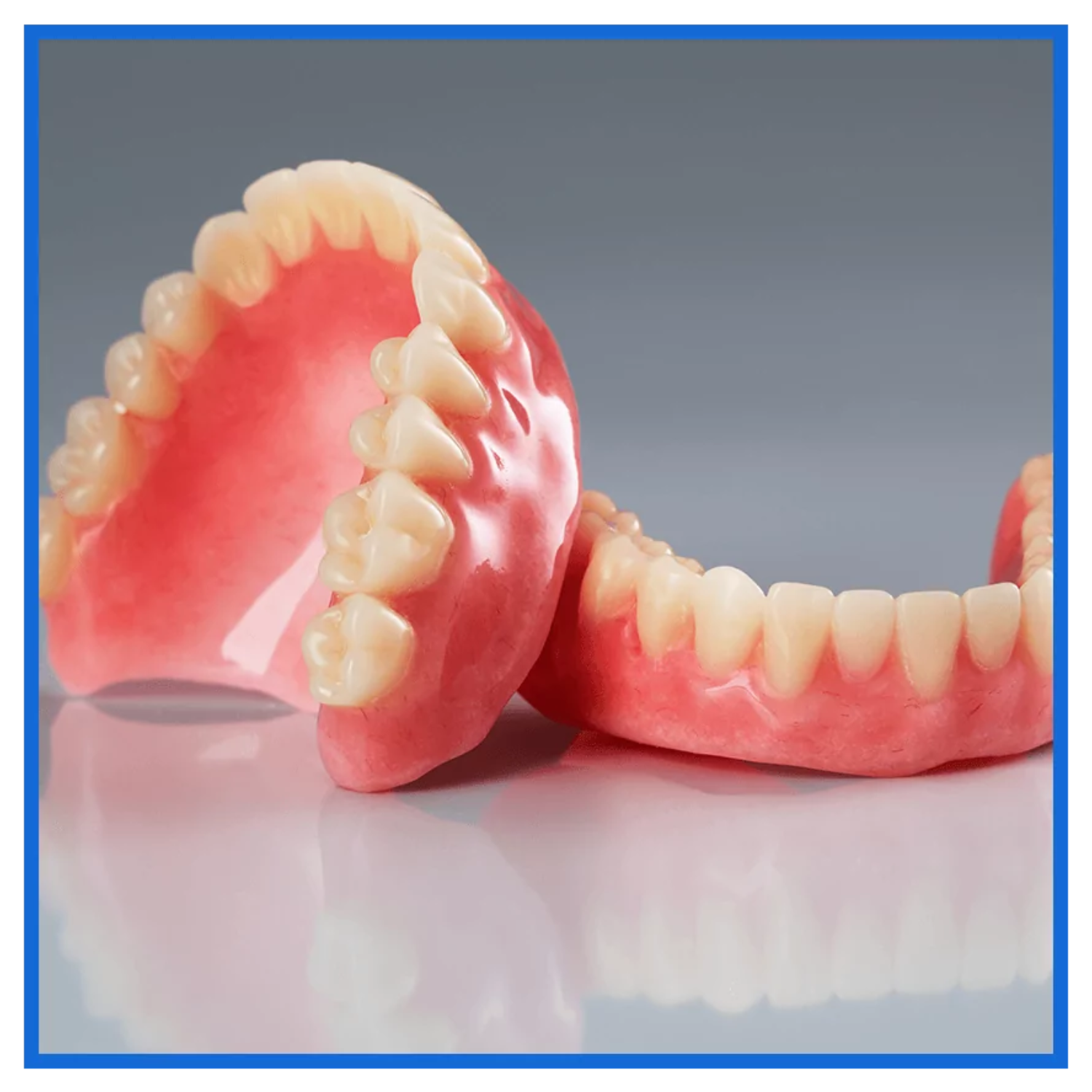
Traditional complete dentures have been used for decades to replace all missing teeth in one or both arches. A complete denture is a removable prosthesis that covers the entire gum ridge and palate (upper denture) or sits on the lower ridge beneath the tongue (lower denture). While complete dentures are less expensive than implants and don’t require surgery, they have significant limitations.
Complete dentures rely on suction and friction to stay in place. Saliva acts as the adhesive that creates this seal. Over time, bone loss causes the fit of dentures to become loose, requiring adjustments and relines. Many patients find that traditional dentures slip during eating or speaking, are uncomfortable, and limit their diet to soft foods.
The Limitations of Traditional Dentures
One of the major problems with traditional dentures is that they accelerate bone loss. When teeth are lost, the bone that supported them begins to resorb. Dentures rest on top of the gum ridge and actually accelerate this resorption by applying pressure to the bone. Over time, this can significantly change facial appearance, making people appear older and altering their facial profile.
Dentures require daily cleaning and soaking. They must be removed at night, which some patients find embarrassing if they share a home with others. The need for denture adhesive, the difficulty of eating certain foods, and concerns about dentures slipping during social situations create ongoing quality of life issues for many denture wearers.
Partial Dentures
When some natural teeth remain, a partial denture may be a treatment option. A removable partial denture uses the remaining natural teeth as anchors or support. However, partial dentures also have limitations. They can damage the remaining natural teeth if not properly designed. They require careful cleaning to prevent decay and gum disease. And they still rely on the gum ridge for support, resulting in eventual bone loss.
The Overdenture Advantage
Overdentures with precision attachments represent a significant improvement over traditional removable dentures. By attaching to remaining natural teeth or dental implants, overdentures provide retention and stability that traditional dentures simply cannot achieve.
An overdenture is a removable denture that overlies and is supported by remaining teeth or implants. The denture has special attachments on its underside that connect to corresponding attachments on the supporting teeth or implants. These precision attachments allow the denture to snap firmly in place, eliminating unwanted movement.
Natural Tooth-Supported Overdentures
If you have some remaining natural teeth in good condition, Dr. Marlin may recommend using these teeth as supports for an overdenture. The natural teeth are specially prepared, and precision attachments are placed on them. The overdenture is then designed to clip onto these attachments.
Natural tooth-supported overdentures provide better retention and stability than traditional dentures. They preserve more of the natural teeth and reduce the rate of bone loss compared to traditional dentures. However, the remaining natural teeth must be properly maintained and may eventually require root canal therapy or other treatment.
Implant-Supported Overdentures
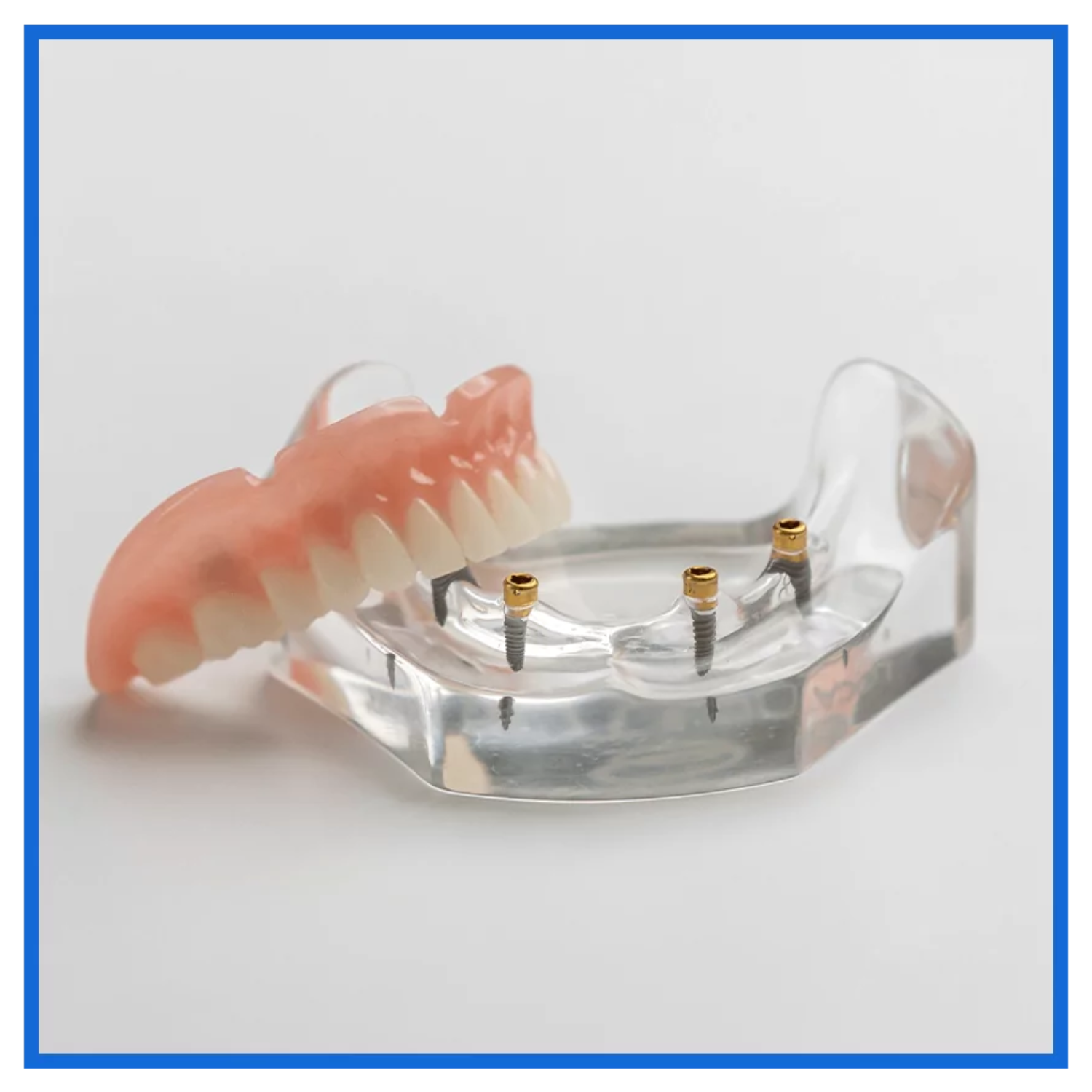
For patients with more extensive tooth loss or those who don’t have suitable remaining natural teeth, implant-supported overdentures offer excellent results. Two, three, four, or more implants can be placed in the jaw to support an overdenture. The denture clips onto precision attachments on the implants, holding it firmly in place.
Implant-supported overdentures provide superior retention and stability compared to traditional dentures. They significantly reduce bone loss compared to tooth-supported solutions. Patients can eat a wide variety of foods without concerns about the denture slipping. The psychological benefit of having a secure, stable prosthesis is substantial.
Types of Precision Attachments
Dr. Marlin may recommend different types of precision attachments depending on your anatomy and preferences.
Bar Attachments: These consist of a bar connecting implants or teeth, with the overdenture clasping onto the bar. Bar attachments provide excellent retention and stability and are particularly useful when multiple implants or teeth support the denture.
Ball Attachments: These are male/female type attachments where the implant or tooth abutment has a spherical shape that fits into a corresponding socket in the denture. Ball attachments are simple, reliable, and easy for patients to manage. They work well with a single implant or tooth support.
Locator Attachments: These are newer precision attachments that provide strong retention while being easier for patients to place and remove. Locators are particularly useful for patients with limited dexterity or those who prefer an easier-to-manage denture.
Dr. Marlin will discuss which attachment type is most suitable for your situation.
Maintaining Your Overdenture
Proper maintenance is essential to the longevity of your overdenture. You’ll need to clean both the denture and the attachment areas daily. Special brushes and cleaning solutions help maintain the denture. Regular professional cleaning and adjustment appointments ensure that your denture continues to fit well and function properly.
The precision attachments may wear over time and require adjustment or replacement. Dr. Marlin will monitor your overdenture during regular visits and make any necessary adjustments to keep it functioning optimally.
Candidacy for Overdentures
You may be a good candidate for an overdenture if you have some remaining natural teeth in good condition, or if you have sufficient jawbone to support dental implants. Your oral hygiene is important to the success of overdentures, as are regular professional visits.
During your consultation, Dr. Marlin will evaluate your oral health, assess your remaining teeth or bone structure, and discuss which overdenture option is most appropriate for your needs and goals.
The Quality of Life Improvement
Many patients who transition from traditional dentures to overdentures report significant improvements in their quality of life. The stability and retention of overdentures allow them to eat foods they couldn’t eat before. They can speak clearly without dentures moving or clicking. They gain confidence in social situations. The security and functionality of overdentures make them willing to smile, laugh, and interact more freely.
Comparing Your Options
Elite Prosthetic Dentistry offers a complete range of tooth replacement options. Whether you choose traditional dentures, overdentures with precision attachments, or dental implants, Dr. Marlin will help you understand the advantages and limitations of each option. He’ll recommend the treatment that best suits your needs, preferences, and long-term goals.
Many patients find that overdentures represent an ideal middle ground between traditional dentures and full implant therapy, offering substantial improvements in function and stability while remaining more economical than complete implant reconstruction.
Frequently Asked Questions
Do you need surgery for precision attachment dentures?
Not always. If you’re using existing teeth for anchorage, surgery isn’t needed. For implant-supported options, minor surgical placement of implants may be recommended.
Are precision attachments more comfortable than traditional dentures?
Yes. Precision attachments eliminate the need for adhesive and reduce movement, making them more comfortable than traditional removable dentures.
How do I maintain precision attachment dentures?
Daily cleaning is essential. You’ll need to clean both the dentures and the attachment areas to prevent buildup and maintain performance.
Can existing dentures be converted to precision attachments?
In some cases, yes. However, for best results, new dentures are often fabricated to ensure a proper fit with the chosen attachments.
What types of precision attachments are available?
Yes, including bar attachments, ball attachments, and locator systems. We recommend the best type based on your dental anatomy and stability needs.
Your Best Smile Is Within Reach
Schedule a consultation with Dr. Gerald Marlin to discuss your treatment options and take the first step toward a healthier, more confident smile.
Related Case Studies
Explore similar cases demonstrating our expertise in advanced prosthetic dentistry.
 Complex
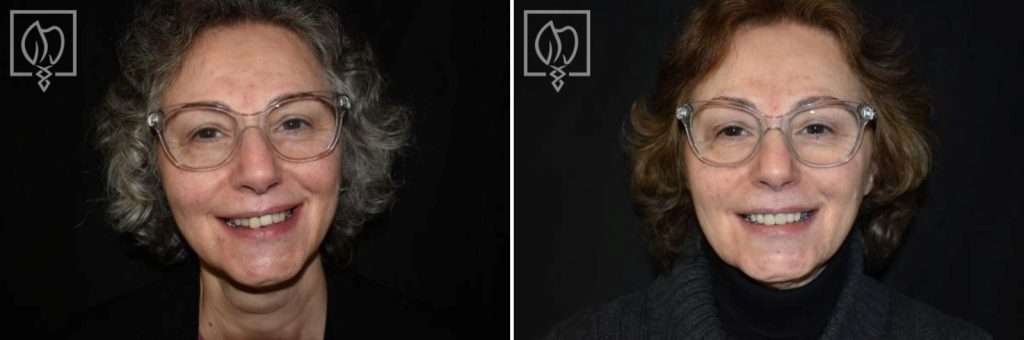
 Temporary Crowns Restore Patient's Smile in Just One Day with an Immediate Smile Makeover
Her dental implant looked artificial in her mouth and was impacting her smile. She had been very unhappy with her unsightly smile line and was beco...
 Complex
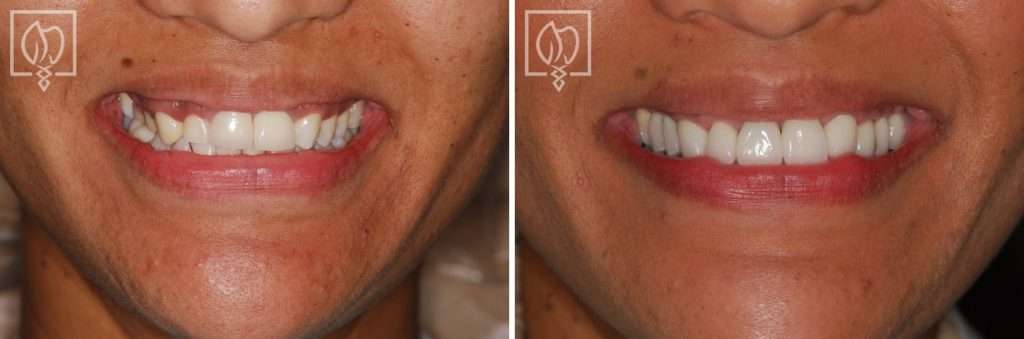
 Multi-Faceted Treatment for Patient Unhappy With Her Artificial-Looking Crowns, Teeth and Gums
Many patients come to Elite Prosthetic Dentistry unhappy with the appearance of their smile. A particular patient who sought our help was very unha...
 Standard
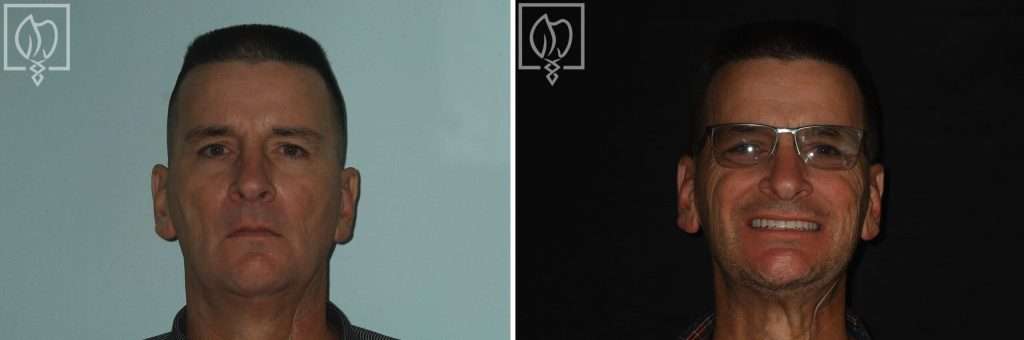
 Treating Kevin’s Collapsed Bite with a Complete Smile Makeover with New Dentures
Kevin came to us very dissatisfied with his existing condition. He looked much older than his age because his bite was collapsed and no one could r...
Ready to Transform Your Smile?
With 40+ years of experience and 3,900+ dental implants placed, Dr. Gerald Marlin delivers results that last. Schedule your consultation today.