
Denture Relines and Repairs in Washington, DC
Denture relines and repairs in Washington, DC. Dr. Gerald Marlin restores fit and comfort to your existing dentures with expert care.
Denture Relines & Repairs
Restoring Fit and Function Often in a Single Visit
What Are Denture Relines and Repairs?
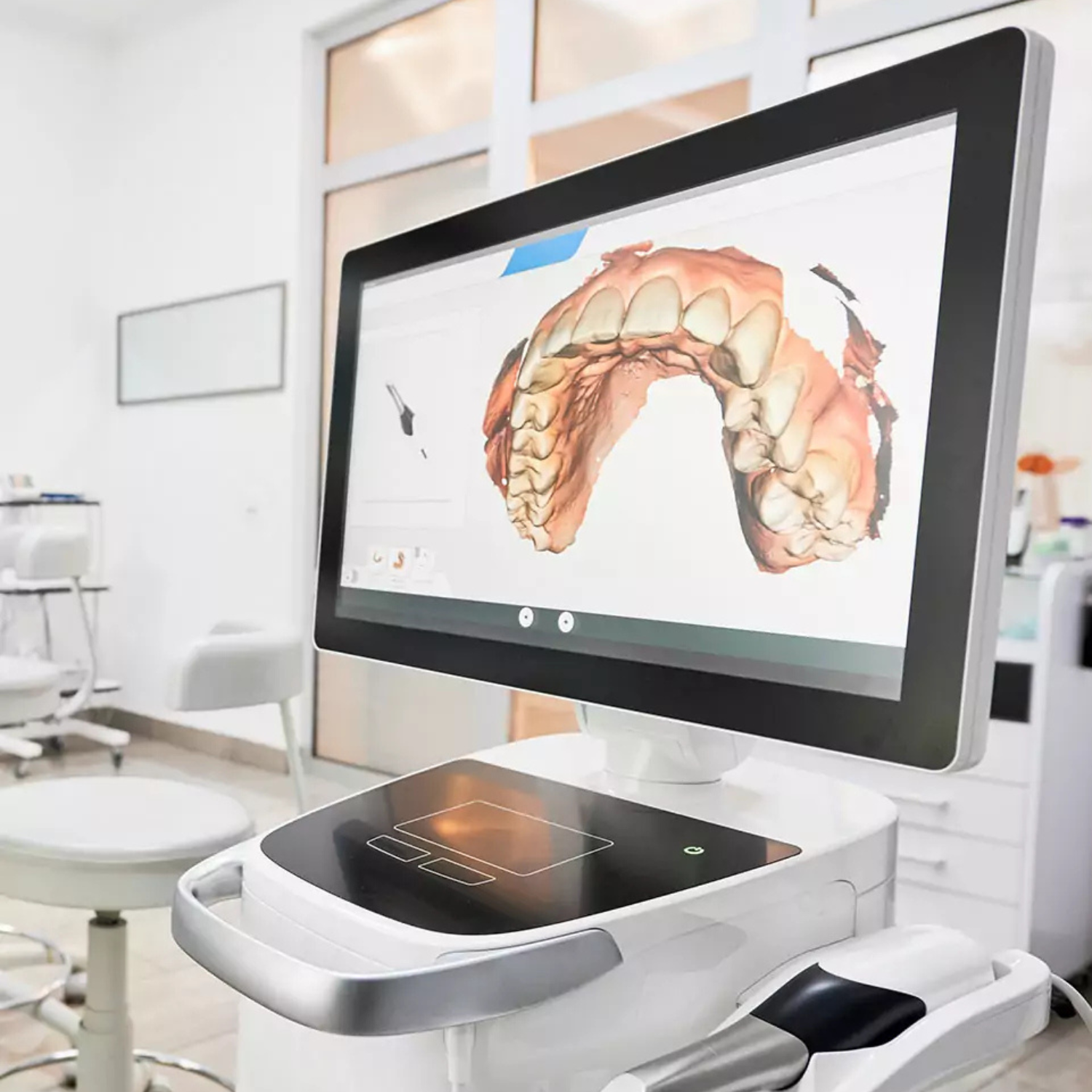
Denture relines and repairs restore the fit, comfort, and function of existing dentures. Over time, changes in your jawbone and gum tissue can make your denture loose or uncomfortable. Relining adds new base material to the underside of the denture to improve its fit, while repairs address chips, cracks, or breaks.
When Should You Reline or Repair Your Denture?
If your denture is starting to feel loose, causes sore spots, or slips when you talk or eat, it’s likely time for a reline. Likewise, if you’ve cracked your denture or a tooth has broken off, timely repair is essential. At Elite Prosthetic Dentistry, we often perform same-day services for relines and minor repairs.
Can You Fix a Broken Denture on the Same Day?
In many cases, yes. Simple cracks, fractures, or broken teeth on a denture can often be repaired the same day, especially if you bring in all the broken pieces. More complex repairs may take longer, but our office in Washington, DC, prioritizes efficiency without compromising quality.
Will I Need a New Denture or Just a Reline?
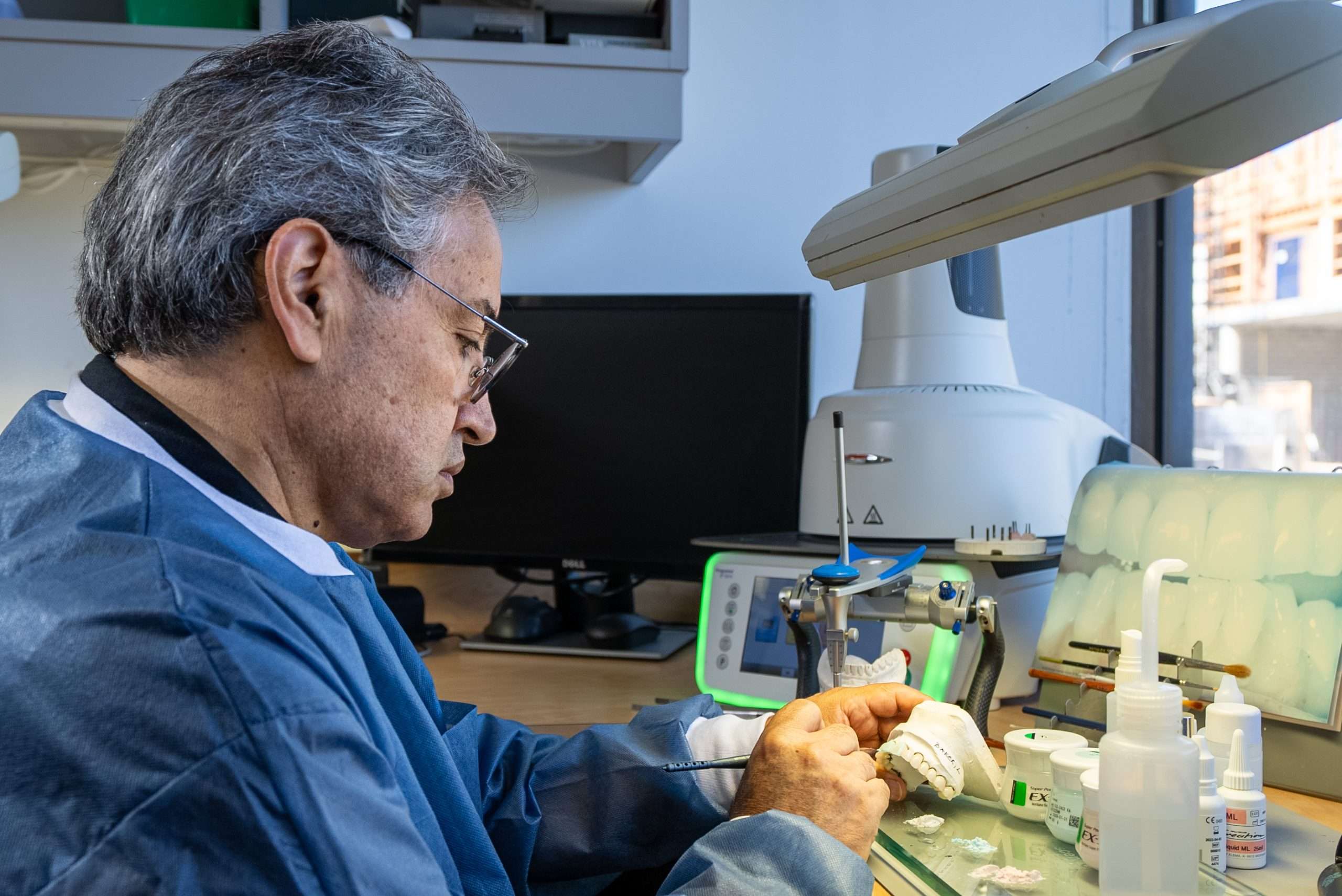
A reline is usually sufficient if the denture base is intact and the teeth are still in good condition. If the denture is very old, worn, or damaged beyond repair, a new custom denture might be recommended.
Frequently Asked Questions
How long does a soft reline take?
A soft reline can often be done in under an hour. Hard relines or lab relines may take a day or two, depending on complexity.
Can you reattach broken denture pieces?
Yes, in many cases we can. If the pieces fit well and the material isn’t too worn, we can bond the sections securely.
Does insurance cover denture relines and repairs?
Often, yes. Many insurance plans include coverage for denture maintenance like relines or repairs. We can help verify your benefits.
Will a reline change the appearance of my denture?
No, the appearance of the denture remains the same. A reline improves only the internal fit, not the outer aesthetics.
What's the difference between a soft reline and a hard reline?
Soft relines use a flexible material for added comfort, ideal for sensitive gums. Hard relines use a more permanent material and offer longer-lasting fit.
The Biology Behind Denture Fit Changes
When a natural tooth is lost, more happens than simple absence. The bone that surrounded and supported that tooth begins to resorb (shrink) because it is no longer stimulated by the pressure of chewing. This bone loss is dramatic in the first months after tooth loss and continues throughout life, though at a slower rate.
Your denture sits on top of this resorbing bone. Early on, after your denture has been newly made, the fit is excellent because the denture base precisely matches the ridge shape. But as bone continues to resorb, a gap develops between the denture base and the ridge. The denture becomes loose, and patient comfort diminishes.
This is the fundamental problem that relining addresses. Rather than constantly adjusting or replacing the entire denture, a reline updates the tissue surface of the existing denture base to match the current shape of your ridge. It is a conservative approach that preserves the teeth and aesthetics of the denture while restoring fit.
Different tissues resorb at different rates. The lower jaw (mandible) resorbs faster and more extensively than the upper jaw (maxilla). This is why patients with lower dentures often experience loosening sooner than those with upper dentures. Individual biology varies, so some patients need relines frequently while others go years without adjustment.
Tissue Conditioners and Temporary Relief
Patients sometimes attempt to manage loosening dentures with tissue conditioners: putty-like materials that can be placed on the denture base to fill gaps temporarily. While these products provide short-term improvement, they are not a substitute for proper relining.
Tissue conditioners are temporary by design. They soften and wash away with use, requiring repeated application. They do not provide a permanent solution and can potentially harbor bacteria if not managed carefully. More importantly, they mask the need for professional evaluation.
Dr. Marlin recommends seeing a prosthodontist before attempting temporary fixes. While sometimes a simple reline is appropriate, other situations may require different solutions. If bone loss is severe, other prosthodontic options may be more appropriate. If the denture itself is old and worn, replacing it may be more effective long-term than repeatedly relining an aging restoration.
Denture Repairs: More Than Just Fixing Breaks
While relines address fit problems, repairs address structural damage. Dentures are durable, but they are not indestructible. Dropping a denture can crack the base. Attempting to adjust a denture yourself can break a tooth or weaken the base. Extended wear without proper care can weaken clasps and attachments.
Many denture repairs are straightforward and can be completed the same day you bring the denture in. Simple cracks in the base, broken artificial teeth, or loose clasps are routine repairs. Dr. Marlin has the expertise and equipment to address these issues efficiently.
More complex repairs may require sending the denture to the laboratory for reconstruction. Split bases, extensive fractures, or major structural problems may take several days to repair properly. During this time, Dr. Marlin can provide a temporary denture if needed, so you need not go without teeth.
Adhesives and Denture Care Products
Some patients use denture adhesives to improve retention and seal when their denture is loose. While adhesives can provide temporary improvement, they are most appropriate as short-term measures while awaiting relining. Regular adhesive use can mask bone loss and delay necessary treatment.
Additionally, overuse of adhesives can complicate future relines. Adhesive residue can interfere with the fit of a newly relined denture, requiring thorough cleaning before new material can adhere properly.
Proper denture care involves daily cleaning with a soft brush and denture cleaner, soaking in a denture solution, and storing properly when not wearing the denture. These basic practices extend denture life and prevent many problems that lead to repairs.
When to Consider a New Denture Rather Than Relining
Relining is an excellent solution when a denture is structurally sound and the aesthetics are appropriate. However, some situations warrant replacement rather than relining.
If your denture is very old (particularly if it is more than 15 to 20 years old), the artificial teeth may have worn smooth, changing your bite and appearance. The denture base may be stained or discolored. Relining such a denture restores fit but does not address these aging changes.
If bone loss has been extensive, the denture base shape may have changed so much that relining cannot restore the original aesthetic proportions. In these cases, constructing a new denture with updated tooth positioning and improved stability may provide better results.
If you are unhappy with the appearance of your current denture (perhaps the teeth are too large, too white, or poorly positioned), a new denture offers the opportunity to improve aesthetics while addressing fit problems.
Dr. Marlin discusses these options openly. If relining is appropriate, he will recommend it. If a new denture would serve you better, he will explain the advantages. Your goals and preferences guide the recommendation.
Advanced Denture Materials and Improvements
Modern denture materials are superior to those used even a decade ago. Contemporary denture bases are stronger and more resistant to staining and breakage. Artificial teeth are more lifelike in shape, texture, and color variation.
Flexible denture materials offer increased comfort for patients with sensitive tissues or difficulty with conventional denture bases. Digital fabrication technology allows for more precise tooth positioning and bite relationships, improving function and comfort.
When Dr. Marlin recommends a new denture, he can take advantage of these improvements. The result is a restoration that is not only better fitting than the previous denture, but also more durable and more natural-appearing.
Long-Term Denture Strategy
A successful long-term relationship with dentures involves planned, regular maintenance. Rather than waiting until problems develop, establishing a routine of periodic check-ups allows Dr. Marlin to monitor ridge resorption and recommend relining before the denture becomes uncomfortably loose.
For patients contemplating whether dentures are appropriate long-term, it is worth considering that dentures represent a treatment stage, not a permanent solution. Many patients eventually transition to implant-supported restorations once bone quality stabilizes or if finances and health permit. Properly cared-for dentures provide reliable function in the interim and allow time for consideration of long-term options.
Elite Prosthetic Dentistry’s philosophy is to maximize the function and longevity of whatever restoration serves your needs. Whether that is a carefully maintained and periodically relined denture or a transition to implants, Dr. Marlin’s expertise ensures you receive prosthodontic care at the highest level.
Your Best Smile Is Within Reach
Schedule a consultation with Dr. Gerald Marlin to discuss your treatment options and take the first step toward a healthier, more confident smile.
Related Case Studies
Explore similar cases demonstrating our expertise in advanced prosthetic dentistry.
 Standard
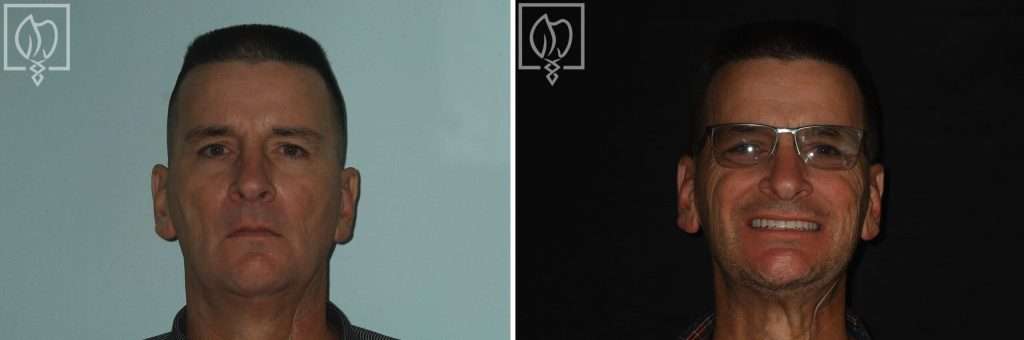
 Treating Kevin’s Collapsed Bite with a Complete Smile Makeover with New Dentures
Kevin came to us very dissatisfied with his existing condition. He looked much older than his age because his bite was collapsed and no one could r...
 Complex
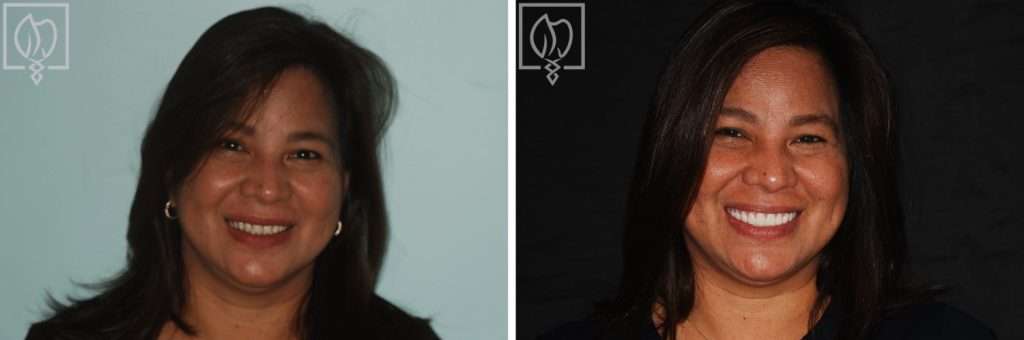
 Rejuvenating Maria’s Severely Worn Down Implant Overdentures
Ms. MC has a natural, radiant smile that was slowly diminishing as she became more and more uncomfortable with her presentation, especially at her ...
 Before
 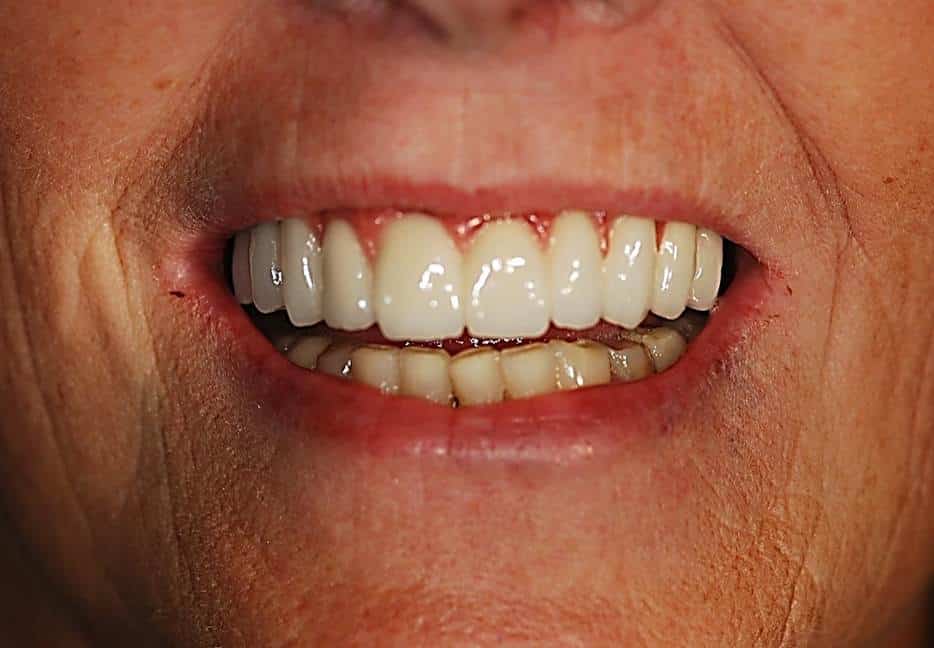 After
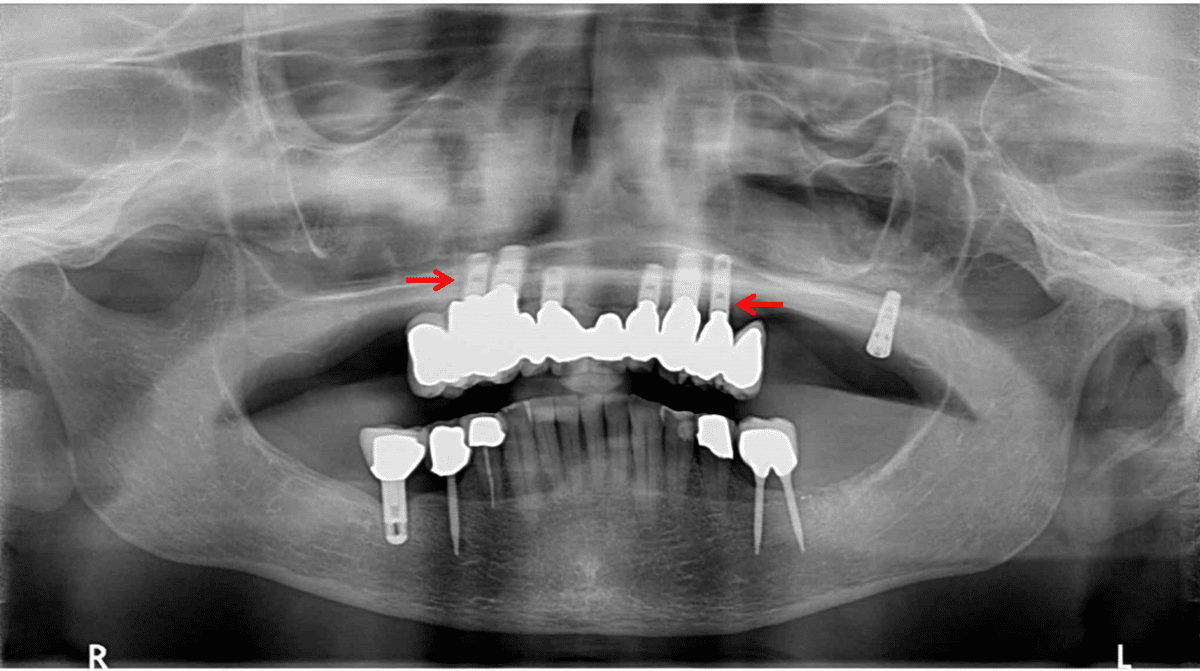
After Implant Supported Reconstruction
This patient presented with all of her maxillary teeth failing and in danger of having to wear a denture either during treatment or permanently. We...
Ready to Transform Your Smile?
With 40+ years of experience and 3,900+ dental implants placed, Dr. Gerald Marlin delivers results that last. Schedule your consultation today.